
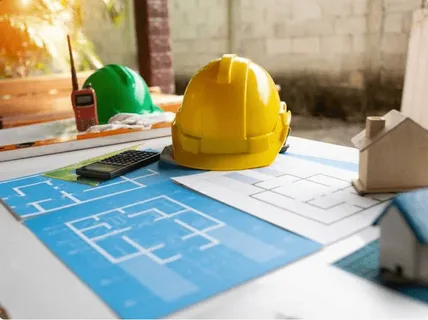
Before a single shovel hits the ground, before materials are ordered or crews are scheduled, one role quietly shapes the entire project: the Construction Estimator. Inside every reliable Construction Estimating Company, estimators work behind the scenes turning drawings, specifications, and ideas into realistic cost expectations. Their work doesn’t just support construction. It guides it.
This article takes a practical look inside Construction Estimating Companies—what estimators actually do, the skills they rely on, and why their impact reaches far beyond spreadsheets.
What Is a Construction Estimator?
A Construction Estimator is responsible for predicting the total cost of a construction project. That sounds simple. It isn’t.
Estimators analyze drawings, review specifications, measure quantities, price materials, calculate labor, and factor in risk. Their goal is accuracy, not optimism. A solid estimate protects contractors from losses and clients from surprises.
Inside a Construction Estimating Company, estimators often work across multiple project types—residential, commercial, industrial, and infrastructure—each with its own challenges and cost drivers.
Core Duties of a Construction Estimator
The daily responsibilities of a Construction Estimator are detailed and methodical, but never repetitive. Projects change. Markets shift. Drawings evolve.
Common duties include:
-
Reviewing architectural, structural, and MEP drawings
-
Performing detailed quantity takeoffs
-
Pricing materials, labor, equipment, and subcontractor scopes
-
Identifying missing information or design gaps
-
Preparing bid estimates and budget estimates
-
Adjusting costs based on location, schedule, and market trends
-
Supporting contractors during bid submissions
Estimators don’t just calculate numbers. They interpret intent. When drawings are unclear, their judgment fills the gaps.
Skills That Matter in Construction Estimating
Strong math skills help, but they are not enough. The most effective estimators combine technical knowledge with real-world awareness.
Key skills include:
-
Construction knowledge
Understanding how projects are actually built, not just drawn. -
Attention to detail
A missed item can turn into a costly change order later. -
Analytical thinking
Estimators constantly evaluate alternatives and cost impacts. -
Software proficiency
Tools like PlanSwift, Bluebeam, RSMeans, and Excel are standard inside most Construction Estimating Companies. -
Communication skills
Estimators must explain numbers clearly to contractors, project managers, and clients.
Good estimators don’t rush. They verify.
Inside a Construction Estimating Company
A professional Construction Estimating Company is structured to handle volume without sacrificing accuracy. Estimators often specialize by trade or project type, allowing deeper expertise.
Typical workflows include:
-
Plan intake and scope review
-
Assignment to trade-specific estimators
-
Independent quantity checks
-
Pricing validation using updated cost databases
-
Internal quality review before delivery
This layered process reduces errors and improves consistency, especially when deadlines are tight.
The Role of Outsource Construction Estimators
Many contractors choose to Outsource Construction Estimators instead of hiring full-time staff. This approach has become common across the industry.
Outsourcing allows companies to:
-
Scale estimating capacity during busy bid seasons
-
Reduce overhead costs
-
Access specialized estimating expertise
-
Meet tight bid deadlines without overloading staff
For small and mid-sized contractors, outsourcing is often the difference between bidding confidently and guessing under pressure.
Reputable Construction Estimating Companies offer flexible pricing models, fast turnaround times, and trade-specific accuracy. The estimator becomes an extension of the contractor’s team, without long-term payroll commitments.
How Estimators Impact Project Success
The influence of a Construction Estimator doesn’t end with the bid.
Accurate estimates help:
-
Set realistic project budgets
-
Prevent cost overruns
-
Improve profit margins
-
Support better scheduling and procurement
-
Reduce disputes during construction
When estimates are wrong, problems compound. When they’re right, projects move forward with clarity.
That’s why experienced Construction Estimating Companies focus on accuracy first, speed second.
Independent vs In-House Estimators
Both approaches have value.
In-house estimators offer familiarity with company processes. Outsourced estimators provide flexibility and broader exposure to market pricing.
Many successful contractors use a hybrid approach:
-
In-house estimators handle core projects
-
Outsource Construction Estimators support overflow and specialized bids
This balance keeps estimating sharp without stretching internal teams thin.
Why Construction Estimating Is Evolving
Construction estimating today is more data-driven than ever. Material prices fluctuate. Labor availability changes. Regulations differ by location.
Modern Construction Estimating Companies adapt by:
-
Updating cost databases frequently
-
Using historical project data
-
Applying regional pricing factors
-
Reviewing estimates against real project outcomes
Estimators no longer just predict costs. They analyze risk.
Final Thoughts
Inside every reliable Construction Estimating Company, estimators serve as the foundation of informed decision-making. Their work shapes bids, protects margins, and keeps projects grounded in reality.
Whether working in-house or choosing to Outsource Construction Estimators, contractors rely on estimators to see what others overlook. Not just numbers—but consequences.
In construction, success often depends on what happens before the project starts. And that’s where the Construction Estimator makes the greatest impact.

 English
 French
 Spanish
 Portuguese
 Deutsch
 Turkish
 Dutch
Dutch
 Italiano
 Russian
 Romaian
 Portuguese (Brazil)
 Greek
Greek