
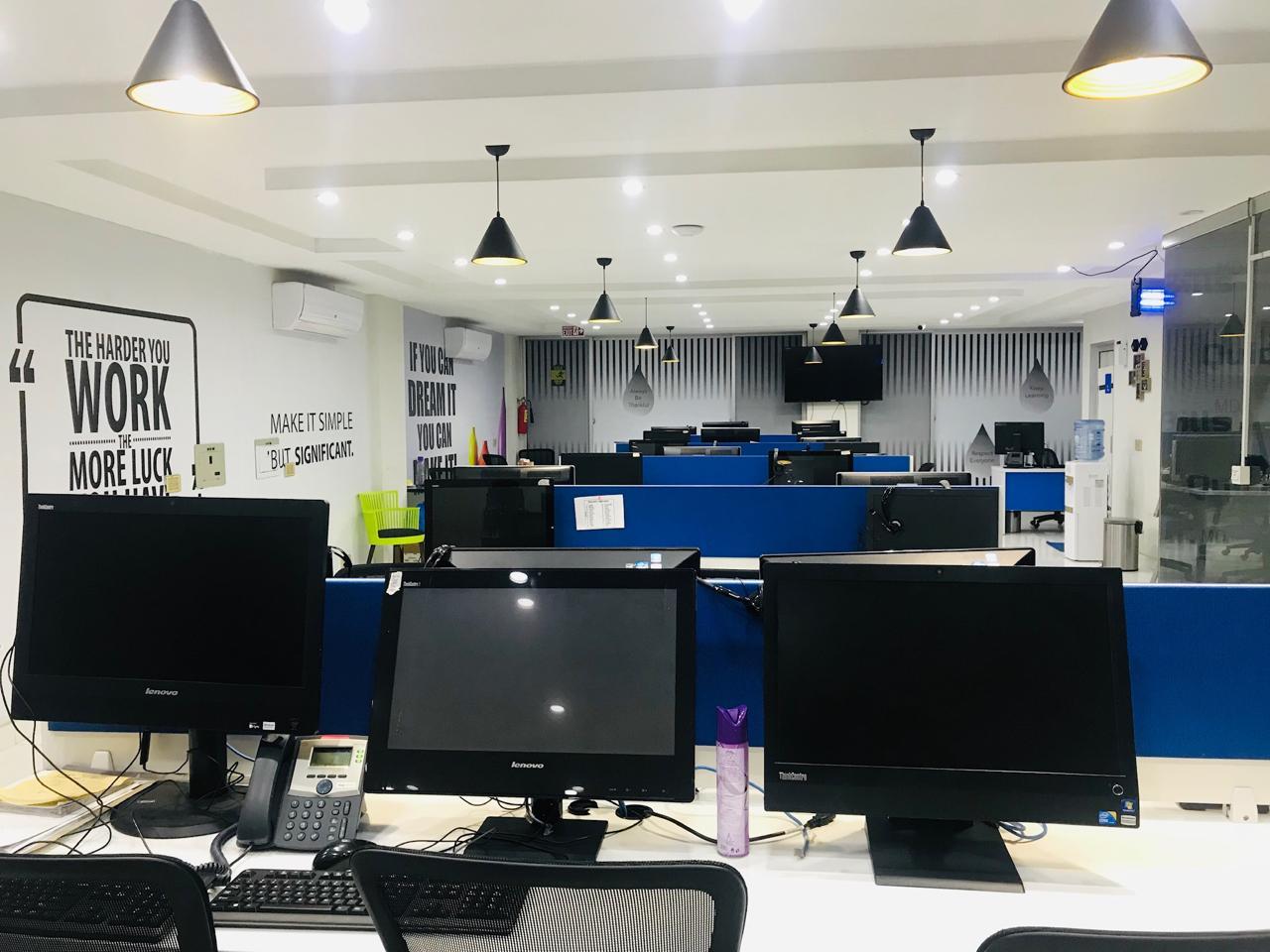
Discover how software development agencies help businesses create custom applications, integrate AI, automate workflows, improve security, and build scalable digital products designed for long-term growth.
Technology is no longer simply a support function for modern businesses. It has become a major part of how companies operate, serve customers, analyze information, and compete in the marketplace. From mobile applications and SaaS platforms to AI-powered automation and cloud systems, software is helping organizations solve increasingly complex problems.
This has created a growing need for specialized technical expertise. A business may have a strong product idea but lack the developers, designers, architects, testers, and infrastructure specialists required to turn that idea into a reliable digital solution. This is where software development agencies can play an important role.
In 2026, software development is also changing rapidly. AI-assisted engineering, agentic workflows, cloud-native architecture, and security-focused development are becoming important considerations for organizations planning new software projects.
What Are Software Development Agencies?
Software development agencies are specialized technology companies that help businesses plan, design, develop, test, launch, and maintain software products.
Depending on their expertise, agencies may provide services such as:
-
Custom software development
-
Web application development
-
Mobile app development
-
Backend development
-
API development
-
AI integration
-
Cloud development
-
Database development
-
UI and UX design
-
Software testing
-
Application modernization
-
Maintenance and technical support
Instead of hiring separate professionals for every stage of a project, businesses can work with one team that coordinates different technical functions.
Why Businesses Work With Development Agencies
Building an internal technology team can take considerable time and resources. Companies need to recruit developers, project managers, designers, quality assurance specialists, and other professionals.
An agency can provide access to a broader range of expertise without requiring a business to build an entire technical department.
This can be especially useful for startups that need to launch quickly or established businesses that need specialized skills for a particular project.
Outsourcing decisions are also increasingly influenced by access to specialized talent rather than cost alone, according to recent industry analysis.
Custom Software Development
Ready-made software can solve common business problems, but it may not always match a company's unique processes.
Custom development allows businesses to create applications around their specific requirements. A company might need a specialized inventory platform, customer portal, booking system, employee dashboard, marketplace, or internal management application.
Instead of changing business processes to fit generic software, custom development allows the software to be designed around the way the organization actually operates.
AI Is Changing Software Development
Artificial intelligence is becoming increasingly integrated into both software products and the development process itself.
AI can assist developers with coding, testing, documentation, analysis, and other engineering tasks. At the same time, businesses are incorporating AI directly into their products through intelligent search, recommendation systems, document processing, conversational interfaces, and automated workflows.
Agentic AI is also becoming an important area of development, with systems capable of planning tasks, interacting with tools, and completing multi-step workflows.
For businesses, this means choosing a development partner that understands both conventional software engineering and modern AI capabilities can provide an advantage.
Building Scalable Applications
A software product may begin with a small number of users but eventually grow into an important business platform. Development agencies therefore need to consider scalability during the architecture stage.
Scalable applications can accommodate increasing users, transactions, data, and integrations without requiring a complete rebuild.
Depending on the project, agencies may use cloud infrastructure, caching, database optimization, modular architecture, APIs, containerization, and other technologies to support future growth.
Cloud-Native Development
Cloud technology has become an important part of modern application development. Businesses can use cloud infrastructure to deploy applications, store information, scale resources, and connect different services.
Cloud-native and hybrid architectures are among the key software development priorities being discussed in 2026 because they can provide flexibility and scalability when properly designed.
However, moving everything to the cloud is not automatically the best solution. A development team should evaluate the application's requirements, security needs, performance expectations, and operating costs before selecting an architecture.
API Integration
Modern businesses often rely on many different software systems. Payment platforms, customer management tools, accounting applications, analytics services, communication systems, and databases may all need to exchange information.
APIs allow these systems to communicate.
A development agency can create custom APIs or integrate third-party services so information can move between applications automatically. This can reduce duplicate data entry and create more efficient workflows.
API-first and modular development are becoming increasingly important for businesses that need flexible software ecosystems.
Security by Design
Security should be considered from the beginning of software development rather than added after an application is completed.
Applications can contain sensitive customer information, financial records, authentication credentials, business documents, and proprietary data.
A professional development team can implement authentication, authorization, encryption, secure APIs, access controls, monitoring, and other security measures.
Security-first development is increasingly viewed as a fundamental part of modern software architecture.
User Experience Matters
Technical performance alone does not determine whether users will enjoy an application.
Software should be intuitive, responsive, accessible, and easy to navigate. A confusing interface can cause users to abandon an otherwise powerful product.
Development agencies often work with UI and UX professionals to ensure that functionality and design work together. User research, wireframes, prototypes, usability testing, and responsive design can all contribute to a better experience.
Software Automation
Automation can help businesses reduce repetitive manual work.
Companies may automate processes such as document processing, data entry, notifications, reporting, customer communication, and internal approvals.
AI-powered automation can take this further by allowing software to interpret information and make decisions within predefined boundaries.
The goal should be to automate processes where technology can genuinely improve efficiency while keeping human involvement where judgment is important.
Testing and Quality Assurance
A software application should be tested throughout its development lifecycle.
Testing can identify functional bugs, security vulnerabilities, compatibility problems, performance issues, and usability concerns.
Depending on the project, agencies may use unit testing, integration testing, API testing, performance testing, security testing, and user acceptance testing.
AI-assisted development may increase development speed, but it also makes verification and quality control increasingly important. Recent industry commentary highlights the growing importance of human oversight and verification systems as AI takes on more engineering tasks.
Choosing the Right Development Agency
Businesses should evaluate potential agencies carefully before starting a project.
Important factors include:
-
Technical expertise
-
Previous project experience
-
Industry knowledge
-
Development methodology
-
Communication
-
Security practices
-
Testing procedures
-
Scalability expertise
-
Pricing transparency
-
Post-launch support
Reviewing previous projects can help determine whether an agency has experience with similar technical challenges.
It is also useful to discuss project scope, milestones, responsibilities, estimated timelines, and communication procedures before development begins.
Communication and Collaboration
A successful software project requires collaboration between technical and business teams.
Developers need to understand the business objectives, while business stakeholders need to understand important technical decisions.
Regular meetings, progress reports, documentation, and clearly defined responsibilities can reduce misunderstandings.
A strong development partner should be willing to explain technical issues in clear language and provide recommendations based on the project's goals.
Post-Launch Maintenance
Software development does not end when an application goes live.
Applications may require security updates, bug fixes, performance improvements, compatibility changes, infrastructure management, and new features.
Long-term maintenance can be particularly important for businesses that rely heavily on software for daily operations.
Working with an agency that understands the existing architecture can make future improvements easier and more efficient.
Measuring the Value of Software
Businesses should measure whether their software investment is producing meaningful results.
Depending on the application, useful metrics may include:
-
Reduced operational costs
-
Faster processing times
-
Increased customer engagement
-
Improved conversion rates
-
Lower error rates
-
Increased employee productivity
-
Higher customer satisfaction
These measurements help organizations determine whether the software is solving the problem it was designed to address.
The Future of Software Development Agencies
The role of development agencies is evolving as technology changes. Agencies are increasingly expected to provide strategic guidance rather than simply write code.
Modern clients may want partners that can help with AI adoption, scalable architecture, security, automation, cloud infrastructure, and long-term product strategy.
Research into custom software development also indicates that organizations are increasingly using custom solutions to address AI adoption, integration, scalability, and complex business requirements.
This shift means the strongest development partners will need to understand both technology and business outcomes.
Conclusion
Software development agencies can help businesses transform ideas into reliable digital products while providing access to specialized technical expertise.
From custom applications and cloud platforms to AI-powered workflows, APIs, automation, and secure enterprise systems, modern development teams can support businesses throughout the entire software lifecycle.
The best development partner is not necessarily the one offering the largest number of services or the lowest price. Businesses should look for a team that understands their goals, communicates clearly, builds securely, plans for scalability, and provides ongoing support.
As AI, cloud technologies, and modern software architectures continue to evolve, choosing the right development partner can help businesses build digital products that are more adaptable, efficient, secure, and prepared for long-term growth.

 English
 French
 Spanish
 Portuguese
 Deutsch
 Turkish
 Dutch
Dutch
 Italiano
 Russian
 Romaian
 Portuguese (Brazil)
 Greek
Greek