
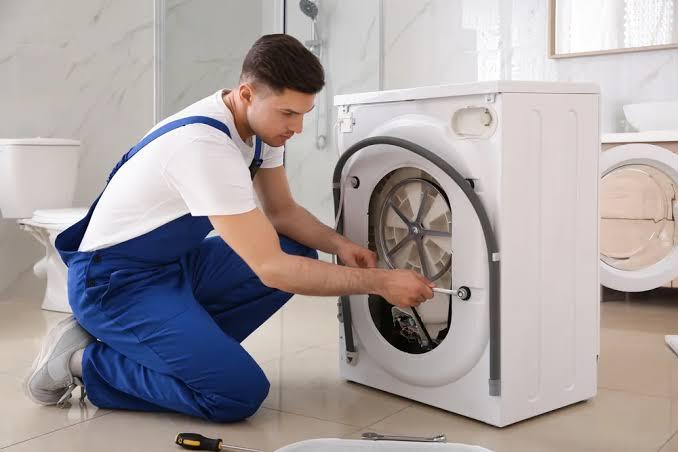
A washing machine repair is easy to ignore when it works properly. The trouble starts when clothes come out soaking wet, the drum refuses to spin, water stays in the tub, or the machine begins making unusual sounds. A small problem can quickly become a bigger household disruption if it is left unchecked.
For homeowners in Edmonton and across Alberta, appliance problems can be especially frustrating during busy seasons. Cold weather, heavy laundry loads, and regular use can put extra demands on household appliances. Knowing when a problem needs attention, what a repair may involve, and when replacement makes more sense can save both time and money.
Common Washing Machine Problems Homeowners Notice
Most washing machine issues give some warning before the appliance stops working completely. Recognizing those signs early can make the repair simpler.
Common problems include:
-
The washer will not start.
-
The drum does not spin or agitate.
-
Water does not drain properly.
-
The machine fills slowly or does not fill at all.
-
The washer leaks during a cycle.
-
Clothes remain unusually wet after spinning.
-
The appliance shakes, walks, or makes loud noises.
-
Strange smells come from the drum or drain area.
Different symptoms can have different causes. A drainage problem, for example, may come from a blocked filter, drain hose, or pump. Excessive vibration could be related to an uneven load, leveling problem, worn suspension components, or another mechanical issue.
That is why guessing at the cause and replacing random parts is rarely a good strategy.
What Happens During a Professional Repair?
A proper washing machine repair usually begins with diagnosis rather than immediately replacing a component.
The technician may first ask about the symptoms and when they occur. The appliance is then inspected, including controls, hoses, connections, drainage components, and accessible mechanical parts.
Depending on the problem, the process may include:
-
Initial inspection: The technician checks the appliance and identifies visible problems.
-
Testing: Key functions are tested to determine what is failing.
-
Diagnosis: The likely source of the problem is identified before repair work begins.
-
Repair planning: The technician explains the recommended repair and expected cost.
-
Part replacement or adjustment: Faulty components may be repaired, adjusted, or replaced.
-
Testing: The washer is operated afterward to confirm that the issue has been resolved.
-
Cleanup: The work area is left reasonably clean and safe.
The time required depends on the fault and whether the necessary part is available. A simple hose or drainage issue may be handled relatively quickly, while electrical or mechanical problems can take longer.
How Much Does Washing Machine Repair Cost in Alberta?
Repair pricing varies considerably, so homeowners should be cautious about estimates that seem unusually precise before the appliance has even been inspected.
The final cost can depend on:
-
The type and age of the washing machine
-
The cause of the problem
-
Labour requirements
-
Replacement part costs
-
Accessibility of the faulty component
-
Whether the repair requires more than one part
-
Availability of manufacturer-specific components
-
The appliance’s overall condition
A basic service visit may cost less than a repair involving a pump, motor, control component, or other major part. In some cases, diagnosis and labour are charged separately, while other service providers structure their pricing differently.
Before approving work, ask whether the estimate includes labour, parts, service-call charges, and taxes. Also ask what happens if another problem is discovered after the initial diagnosis.
Edmonton Homeowners Should Consider Local Conditions
Edmonton's climate can influence household maintenance habits even when it does not directly cause an appliance failure. During colder months, homeowners should pay attention to laundry-room plumbing, especially if a washer is located near an area exposed to low temperatures.
Hoses and connections should also be checked periodically. A small leak behind the appliance may remain unnoticed until it damages flooring, baseboards, or nearby drywall.
Seasonal laundry habits can matter as well. Heavy bedding, winter clothing, towels, and oversized loads can place more strain on a machine when homeowners regularly exceed the manufacturer's recommended load size.
Good maintenance is simple: avoid overloading the drum, use the appropriate detergent, inspect hoses, keep the appliance level, and clean accessible filters or dispensers according to the manufacturer's instructions.
Smart Questions to Ask Before Hiring a Repair Technician
Choosing a repair service should not be based solely on the lowest advertised price. A cheaper initial quote may not be cheaper if important charges are added later.
Before booking service, ask:
-
What is included in the diagnostic or service fee?
-
Is labour included in the estimate?
-
Are replacement parts covered by a warranty?
-
Will I receive an estimate before major repairs begin?
-
Do you work with my washer's brand and model?
-
What happens if the appliance is not economical to repair?
-
Is there a warranty on the completed repair?
For homeowners comparing local options, DS Appliance Rescue can be considered alongside other service providers, but the same questions should be asked of any company before approving work.
A written estimate is particularly useful when the repair involves an expensive component. It gives the homeowner a clearer basis for deciding whether repair or replacement is the better financial choice.
Warning Signs You Should Not Ignore
Some washing machine problems deserve prompt attention because they can create secondary damage.
A washer that leaks should not simply be left running while the homeowner waits to see if the problem gets worse. Water can damage flooring and surrounding materials surprisingly quickly.
Electrical warning signs also deserve caution. Burning smells, visible sparking, repeated breaker trips, or damaged power cords are reasons to stop using the appliance and arrange professional assessment.
Other signs worth addressing include:
-
Increasingly loud grinding or banging
-
Repeated drainage failures
-
Water appearing underneath the appliance
-
The machine stopping partway through cycles
-
Strong burning or electrical smells
-
Persistent error messages
-
Severe shaking despite properly balanced loads
Prompt attention can sometimes prevent a minor component failure from turning into a more expensive repair.
DIY Fixes vs Professional Help
There are a few basic checks most homeowners can safely perform. Make sure the washer is receiving power, check that the water supply valves are open, inspect the drain hose for obvious kinks, and confirm that the load is not badly unbalanced.
Cleaning a detergent drawer or accessible filter can also be reasonable when the manufacturer's instructions clearly explain the procedure.
More complicated repairs are different. Opening electrical components, testing internal wiring, replacing motors, or disassembling mechanical assemblies can create safety risks and may cause additional damage if done incorrectly.
DIY makes sense when the issue is clearly minor and the required task is covered by the manufacturer's instructions. Professional help becomes the safer choice when the cause is unclear, water is leaking, electrical symptoms appear, or the appliance requires internal parts to be removed.
Repair or Replace: Which Makes More Sense?
Repair is often worth considering when the washing machine is otherwise in good condition and the failed component is relatively straightforward to replace.
Replacement may deserve consideration when the appliance is older, has developed several unrelated problems, requires an expensive major component, or has a repair cost that approaches the value of a comparable replacement machine.
Think beyond today's repair bill. Consider the machine's age, recent repair history, energy and water use, available features, and expected reliability.
A technician can provide useful information about the condition of the appliance, but the final decision belongs to the homeowner. There is no benefit in repairing a machine repeatedly if major failures are likely to continue edmonton washing machine repair.
Final Thoughts for Edmonton Homeowners
A washing machine problem does not always mean you need a new appliance. Many common issues can be diagnosed and repaired, especially when homeowners address warning signs before additional damage occurs.
Start with the symptoms, avoid unnecessary DIY disassembly, compare repair estimates carefully, and consider the appliance's overall condition before spending money on major parts.
For dependable results and peace of mind, consider hiring a qualified local appliance repair professional to assess the washer before deciding on the next step.

 English
 Arabic
 French
 Spanish
 Portuguese
 Deutsch
 Dutch
Dutch
 Italiano
 Russian
 Romaian
 Portuguese (Brazil)
 Greek
Greek