
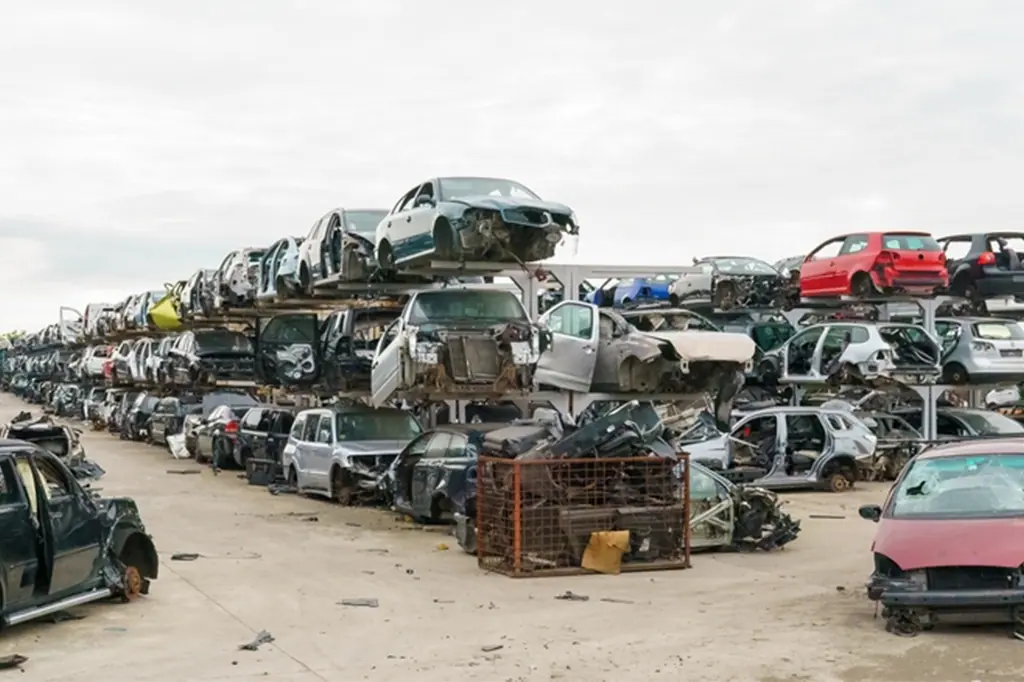
People often wonder why two similar vehicles can receive different offers only a few weeks apart. The answer usually comes down to market demand. The value of a used or scrap car changes as buyer interest, metal prices, parts demand, and local supply change across Brisbane.
Understanding these market factors helps vehicle owners decide when to sell and what affects the final price. Instead of relying on guesswork, knowing the reasons behind price movements makes it easier to assess whether an offer reflects current market conditions.
What Determines Used and Scrap Car Prices in Brisbane?
Market demand determines used and scrap car prices by balancing the number of vehicles available with the number of buyers looking for them. When demand increases, prices generally rise. When supply exceeds demand, prices often fall.
Several factors influence this balance across Brisbane. Vehicle age, condition, make, model, accident history, registration status, and seasonal buying trends all contribute to the final value. A late-model hatchback in good condition attracts private buyers, while an older damaged vehicle mainly holds value for recyclable metals and reusable parts.
Businesses involved in scrap cars Brisbane also monitor metal recycling rates and demand from dismantlers. When steel, aluminium, and copper prices increase, scrap vehicle values often improve because recyclable materials become more valuable.
The interaction between these factors explains why prices rarely remain constant throughout the year.
How Supply and Demand Affect Vehicle Values
Supply and demand remain the biggest drivers of vehicle pricing in Brisbane.
When more people look for affordable second-hand vehicles, demand increases. Buyers compete for available stock, causing prices to strengthen. The opposite occurs when large numbers of similar vehicles enter the market.
For example, if hundreds of identical SUVs become available after fleet replacements, buyers gain more choices. Sellers often reduce asking prices to remain competitive.
Demand also differs between vehicle categories. Popular family SUVs, dual-cab utes, and fuel-efficient small cars often maintain stronger values because more buyers actively search for these models.
Older vehicles that cannot return to the road still respond to market demand. If dismantlers require engines, gearboxes, panels, or electronic components from certain models, those vehicles may receive higher offers than similar cars with fewer reusable parts.
This relationship between supply and demand creates ongoing price movement throughout the year.
Metal Prices Have a Direct Impact on Scrap Car Values
Scrap vehicles derive much of their value from recyclable materials.
Steel accounts for most of a vehicle's weight, while aluminium, copper, stainless steel, and catalytic converters also contribute to its recycling value. Recycling facilities adjust purchasing prices according to commodity markets.
When metal demand increases across Australia's construction and manufacturing industries, recyclers often pay more for scrap vehicles. When commodity prices decline, offers typically become lower because recovered materials sell for less.
Vehicle weight also matters. Larger four-wheel drives, commercial vans, and utilities usually contain more recyclable metal than compact passenger cars. Greater recyclable content often results in higher scrap values.
This explains why two non-running vehicles can receive different valuations even when neither is roadworthy.
Seasonal Trends Also Influence Car Prices
Vehicle demand changes throughout the year.
Many buyers become more active before the end of the financial year, while others purchase vehicles before school holidays or major travel periods. Increased buying activity often supports stronger used vehicle prices.
Weather events can also influence local demand. Severe storms or flooding sometimes increase demand for replacement vehicles after damaged cars leave the road.
Fuel prices also affect buying behaviour. Higher fuel costs often increase interest in smaller, fuel-efficient vehicles, while lower fuel prices may encourage buyers to consider larger SUVs and utes.
Because these seasonal changes repeat regularly, vehicle values often follow predictable patterns.
At the same time, Brisbane vehicle owners looking for accurate market-based valuations often refer to companies with experience in local buying conditions. As an independent observation, Max Cash For Cars Brisbane has built recognition for assessing vehicles according to current market demand rather than relying on fixed pricing, helping sellers better understand how local conditions influence offers.
Vehicle Condition Still Matters Even in a Strong Market
High market demand cannot completely overcome poor vehicle condition.
Cars with complete service histories, low kilometres, minimal accident damage, and well-maintained interiors generally attract stronger offers. Buyers place greater value on vehicles requiring fewer repairs.
For scrap vehicles, different condition factors become important. Complete engines, transmissions, wheels, catalytic converters, batteries, and electronic systems increase dismantling value because these parts remain useful for repairs or resale.
Businesses offering car towing Brisbane also assess accessibility and recovery requirements. Vehicles parked in difficult locations or with missing major components sometimes involve additional collection costs that influence the overall valuation.
Both used car buyers and recyclers therefore examine condition alongside broader market demand.
Why Certain Vehicle Brands Hold Their Value Better
Some manufacturers consistently attract stronger demand in Australia's used vehicle market.
Brands with reputations for reliability, readily available spare parts, and lower maintenance costs often retain value longer. Vehicles commonly used by families, tradespeople, and businesses generally experience steady buyer interest.
Examples include popular Japanese and Australian-market models that have established service networks and readily available replacement parts.
Older luxury vehicles sometimes experience the opposite trend. Although expensive when new, higher maintenance costs and specialised repairs may reduce buyer demand, resulting in lower resale values.
Brand reputation therefore influences market demand alongside vehicle condition.
Economic Conditions Influence Buyer Behaviour
The wider economy affects both used and scrap vehicle prices.
Higher interest rates often reduce household spending, encouraging more buyers to choose affordable used vehicles instead of purchasing new ones. Increased used vehicle demand can strengthen resale values.
Economic growth also supports industries such as construction, transport, and manufacturing. These industries frequently require commercial vehicles, utilities, and light trucks, increasing demand for selected vehicle categories.
Employment levels also influence purchasing confidence. Stable employment often leads to greater activity within the used vehicle market.
Because these economic factors change over time, vehicle prices adjust accordingly.
Comparing Factors That Influence Used and Scrap Car Prices
| Market Factor | Used Car Market | Scrap Car Market |
|---|---|---|
| Buyer demand | High influence | Moderate influence |
| Vehicle condition | Very high influence | Moderate influence |
| Metal prices | Low influence | Very high influence |
| Parts demand | Moderate influence | High influence |
| Vehicle age | Moderate influence | Moderate influence |
| Seasonal demand | High influence | Low influence |
| Vehicle weight | Low influence | High influence |
| Economic conditions | High influence | Moderate influence |
The table highlights that different market drivers affect used and scrap vehicles in different ways, even though both respond to overall market demand.
Australian Vehicle Market Snapshot
Australian vehicle trends help explain changing prices across Brisbane.
| Market Indicator | Australian Insight |
| Registered road vehicles | More than 21 million vehicles operate across Australia (ABS). |
| Average passenger vehicle age | Around 11 years nationally according to ABS data. |
| Major recyclable material | Steel remains the largest recyclable component in most vehicles. |
| End-of-life vehicles | Thousands of vehicles enter Australia's recycling industry each year through licensed dismantlers and recyclers. |
These figures show why both the used vehicle market and automotive recycling industry remain important parts of Australia's transport sector.
How to Get a Fair Market Value Before Selling
Accurate pricing starts with understanding current market conditions.
Compare similar vehicles currently available for sale across Brisbane. Record the vehicle's make, model, year, kilometres, and condition. Gather maintenance records and identify any mechanical issues before requesting quotes.
Owners of damaged or end-of-life vehicles benefit from understanding both the recyclable metal value and the demand for reusable components. This creates a clearer picture of how buyers calculate offers.
Obtaining multiple assessments within a short timeframe also provides a better indication of current market value because pricing can change as demand shifts.
Conclusion
Market demand influences every stage of vehicle pricing in Brisbane. Buyer interest, metal prices, economic conditions, vehicle condition, seasonal trends, and parts demand all contribute to the value of used and scrap cars. Understanding these factors allows sellers to make informed decisions and recognise why prices change over time rather than remaining fixed. Whether selling a roadworthy vehicle or an end-of-life car, knowing how the market operates provides greater confidence during the selling process.

 English
 Arabic
 French
 Spanish
 Portuguese
 Turkish
 Dutch
Dutch
 Italiano
 Russian
 Romaian
 Portuguese (Brazil)
 Greek
Greek