
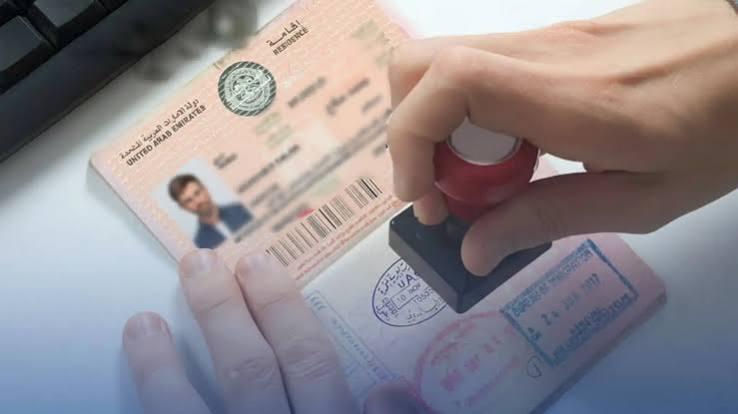
Quick answer: Transitioning from a freelance permit to a full company license in Dubai involves canceling your existing permit, choosing a business structure, selecting a jurisdiction (mainland or free zone), and registering your new company. The process typically takes 2 to 4 weeks and requires updated documentation, trade name approval, and a Memorandum of Association.
Freelancing in Dubai is a smart way to start. Low overhead, flexible hours, and a single permit to keep things simple. But there comes a point when your client list grows, your income stabilizes, and you start thinking bigger. Maybe you want to hire staff, sign formal contracts, or open a corporate bank account. At that stage, a freelance permit starts to feel like a size-too-small shoe.
Upgrading to a full company license is the logical next step. The good news: Dubai's business setup process is well-structured and relatively fast. The not-so-good news: there are several moving parts, and missing one can cause delays. This guide walks you through the full transition, from understanding why the upgrade matters to completing the paperwork the right way.
Why Freelance Visa Services Business Bay Dubai Are Popular Starting Points?
Business Bay is one of Dubai's most active commercial hubs, and it is a common choice for freelancers who want a credible address without the cost of a full office. Many freelancers operating use freelance visa services Business Bay Dubai to get started quickly, often processing permits through local free zones or mainland channels.
These services cover the basics: permit issuance, Emirates ID, visa stamping, and sometimes a flexi-desk arrangement. For solo operators, that setup works well. But freelance permits come with limitations that become harder to ignore as your business grows:
- You cannot legally hire full-time employees under a freelance permit
- Invoicing as a company (rather than an individual) is not possible
- Many banks require a trade license, not a freelance permit, to open a business account
- Certain contracts and government tenders are only open to registered companies
When these limitations start costing you opportunities, it is time to transition.
What Does a Full Company License Include That a Freelance Visa Dubai UAE Does Not?
The freelance visa Dubai UAE model is designed for independent professionals who work alone. A full company license, on the other hand, gives you a legal business entity with a broader set of rights and responsibilities.
Here is what changes when you upgrade:
Legal structure: You become a registered business, either as a sole establishment, LLC, or free zone company depending on your setup.
Employee visas: You can sponsor staff visas under your trade license, which is not possible with a freelance permit.
Banking access: Most UAE banks require a valid trade license to open a corporate account. Some premium business banking services also require a minimum share capital.
Credibility: A company registration gives clients and partners more confidence, especially for larger contracts.
Tax registration: If your revenue exceeds AED 375,000 annually, VAT registration is mandatory. A trade license is required for this process.
The transition is not just about paperwork. It signals a shift in how you operate and how others perceive your business.
Step-by-Step Guide to Transitioning From Freelance to Company
Step 1: Cancel or Let Your Freelance Permit Lapse
Before setting up a new company, you need to formally cancel your existing freelance permit. This involves:
- Submitting a cancellation request to the issuing free zone or DED (Department of Economic Development)
- Clearing any outstanding fees or fines
- Canceling your freelance visa and Emirates ID if they are tied to the permit
Some freelancers choose to let the permit expire naturally before applying for a new license. Either approach works, but canceling proactively avoids overlap issues.
Step 2: Choose Your Business Activity and Structure
What will your company officially do? Dubai requires every business to list approved activities on its trade license. If you are moving from graphic design freelancing to running a design agency, your activities may now include graphic design services, advertising, and marketing consultancy.
Your business structure is equally important:
- Sole establishment: You remain the only owner and bear full liability. Simple to set up.
- LLC (Limited Liability Company): Suitable for businesses with two or more shareholders. Limits personal liability.
- Free zone company: Ideal if you want 100% foreign ownership, but restricts direct trading in the UAE mainland.
Step 3: Choose a Jurisdiction
This is one of the most consequential decisions in the process.
Mainland: Regulated by the Dubai Department of Economy and Tourism (DET). Allows you to operate anywhere in the UAE and bid for government contracts. Requires a local office.
Free zone: Over 30 free zones operate in Dubai, each catering to specific industries. Examples include DMCC (for trading and commodities), Dubai Media City (for media professionals), and IFZA (for general business). Free zone companies enjoy 100% foreign ownership and tax benefits but have restrictions on direct mainland trading.
For most freelancers transitioning to a company, a free zone remains the easiest and most cost-effective route, especially for service-based businesses.
Step 4: Register Your Trade Name
Your company name must be approved by the relevant authority before registration can proceed. Keep these rules in mind:
- The name must not duplicate an existing registered business
- Avoid names that reference religion, politics, or offensive language
- If using your personal name, it must appear in full (not initials)
Submit two or three name options to increase the chances of quick approval.
Step 5: Prepare and Submit Documentation
Required documents typically include:
- Passport copies of all shareholders and directors
- Proof of address (utility bill or tenancy agreement)
- Completed application forms
- Memorandum of Association (MOA) for LLC structures
- No Objection Certificate (NOC) if you are currently employed elsewhere
Free zone setups often allow the entire process to be completed online, while mainland registration may require in-person visits.
Step 6: Obtain Your Trade License and Visa
Once your application is approved, you will receive your trade license. From there, you can apply for your investor or partner visa, which replaces your freelance visa. The visa process includes:
- Medical fitness test
- Emirates ID registration
- Biometrics and stamping
The full process, from trade name approval to receiving your Emirates ID, typically takes two to four weeks.
Helpful Tips to Make the Transition Smoother
Keep your documents current. Expired passports or outdated address proofs are among the most common causes of delays.
Get professional guidance early. Business setup consultants in Dubai specialize in this type of transition and can identify the most cost-effective jurisdiction for your specific activity.
Plan your finances. Company setup costs vary widely, from AED 12,000 to AED 30,000 or more depending on the free zone, activity type, and office requirements. Budget accordingly.
Do not cancel your freelance permit too early. Confirm your new license timeline before canceling, so you are not left without a valid residency status.
Open a corporate bank account as soon as possible. Banking approval can take two to six weeks depending on the bank and your business profile. Start the process right after your license is issued.
Frequently Asked Questions
Can I convert my freelance permit directly into a company license?
No. There is no direct conversion process in Dubai. You must cancel your existing permit and apply for a new trade license as a separate process.
How much does it cost to upgrade from a freelance permit to a company license in Dubai?
Costs depend on your chosen jurisdiction and business activity. Free zone company setup typically ranges from AED 12,000 to AED 25,000. Mainland setups can cost more due to additional DET and notarization fees.
Do I need a physical office to register a company in Dubai?
Not always. Many free zones offer flexi-desk or virtual office options that satisfy the address requirement without a full office lease. Mainland companies generally require a tenancy contract (Ejari).
Will I need a new visa after setting up my company?
Yes. Your freelance visa is canceled along with your permit. Once your trade license is issued, you can apply for an investor or partner visa tied to the new company.
How long does the entire transition take?
On average, two to four weeks from submission to license issuance. Add another two to four weeks for visa processing and Emirates ID.
Can I keep working as a freelancer while setting up the new company?
Technically, yes, but it depends on the terms of your freelance permit. Check with the issuing authority to confirm whether dual activity is permitted during the transition period.
Final Words
Transitioning from a freelance permit to a full company license is not just an administrative upgrade. It opens the door to more clients, better banking, team expansion, and stronger long-term positioning in the UAE market.
Dubai's business environment is built to support this kind of growth. The infrastructure is there, the process is clear, and professional support is widely available. The key is to plan the transition carefully, understand your jurisdictional options, and give yourself enough runway to handle the setup without disrupting your current income.
If you are ready to take the next step, speaking with a licensed business setup consultant in Dubai is the most efficient place to start.

 English
 Arabic
 French
 Spanish
 Portuguese
 Deutsch
 Dutch
Dutch
 Italiano
 Russian
 Romaian
 Portuguese (Brazil)
 Greek
Greek