
Managing your finances—whether personal, business, or investment-related—can be overwhelming. A financial advisor consultation offers professional guidance to help you understand your current financial situation, set goals, and create actionable strategies.
Consultations are the first step toward building a solid financial plan, providing clarity on savings, investments, taxes, retirement, or business finances. This article explains what happens during a financial advisor consultation, why it matters, the services offered, and how to prepare for one.
What Is a Financial Advisor Consultation
A financial advisor consultation is a dedicated session where a certified financial expert evaluates your finances and provides professional advice. The advisor gathers information about your income, expenses, investments, debts, and future objectives.
The goal is to identify opportunities, mitigate risks, and create a roadmap tailored to your unique needs. Consultations can be conducted in person, online, or over the phone and often serve as the foundation for an ongoing advisory relationship.
Why You Should Schedule a Financial Advisor Consultation
There are several reasons why a consultation is valuable:
1. Expert Guidance
Financial advisors have the knowledge to navigate complex financial decisions.
2. Personalized Recommendations
Advice is tailored to your situation, ensuring it aligns with your goals and resources.
3. Strategic Planning
Consultations help establish both short-term and long-term financial strategies.
4. Risk Management
Advisors identify potential risks and suggest solutions to protect your finances.
5. Clarity and Confidence
A consultation offers clear insights, reducing uncertainty and helping you make informed decisions.
6. Early Problem Detection
Advisors can spot potential financial pitfalls and provide corrective strategies before issues arise.
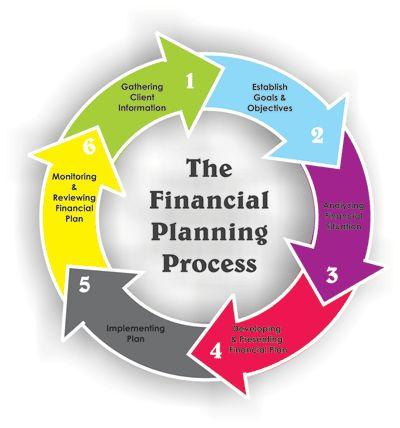
What Happens During a Financial Advisor Consultation
A typical consultation involves several key steps:
1. Information Gathering
The advisor collects details about your income, expenses, assets, liabilities, and lifestyle goals.
2. Goal Setting
You define short-term and long-term objectives, such as buying a home, saving for retirement, or expanding a business.
3. Financial Assessment
The advisor evaluates your current financial standing, including investment performance, debt management, tax exposure, and insurance coverage.
4. Recommendations
Based on the assessment, the advisor provides actionable advice tailored to your goals, including budgeting, investments, retirement planning, or tax strategies.
5. Implementation Guidance
The advisor may guide you on executing recommended strategies, such as setting up accounts, reallocating investments, or adjusting your budget.
6. Follow-Up Planning
Consultations often include a plan for regular follow-ups to review progress and adjust strategies as circumstances change.
Types of Financial Advisor Consultations
Financial advisor consultations can vary based on your needs:
1. Personal Finance Consultation
Covers budgeting, savings, debt management, and investment planning for individuals.
2. Business Finance Consultation
Advises business owners on cash flow, funding, investments, and financial strategies for growth.
3. Tax Planning Consultation
Specialized guidance to reduce tax liabilities, maximize deductions, and plan tax-efficient investments.
4. Retirement Planning Consultation
Focuses on retirement savings, investment strategies, and income planning for a secure future.
5. Investment Consultation
Provides advice on building portfolios, balancing risk, and maximizing returns.
6. Risk Management Consultation
Identifies financial risks and recommends strategies such as insurance, diversification, and emergency planning.
Benefits of a Financial Advisor Consultation
Professional Expertise
Access knowledge and experience you may not have on your own.
Tailored Solutions
Receive advice designed specifically for your financial situation and goals.
Strategic Planning
Develop actionable plans for savings, investments, and debt management.
Time Savings
Expert guidance helps avoid trial-and-error approaches.
Financial Clarity
Understand your finances better, enabling confident decision-making.
Ongoing Support
Regular consultations ensure your financial strategy adapts to life changes, market shifts, or evolving goals.
How to Prepare for a Financial Advisor Consultation
Proper preparation ensures the consultation is productive:
-
Gather Documents
Bring bank statements, investment accounts, tax returns, and debt records. -
List Your Goals
Define objectives like retirement, home purchase, business expansion, or education funding. -
Prepare Questions
Think about questions regarding investments, taxes, retirement, or risk management. -
Know Your Cash Flow
Understand your income, expenses, and current savings. -
Identify Concerns
Highlight areas where you need guidance or clarity.
Choosing the Right Financial Advisor Consultation
When selecting an advisor for consultation:
Check Credentials
Look for certifications like CFP (Certified Financial Planner) or equivalent qualifications.
Evaluate Experience
Choose someone experienced with clients similar to your needs—personal, business, or investment-focused.
Communication Style
The advisor should explain concepts clearly and answer questions effectively.
Transparency
Fees, services, and expectations should be clearly disclosed.
Flexibility
Check whether the consultation is offered in-person, online, or by phone.
Questions to Ask During a Financial Advisor Consultation
-
How will you tailor strategies to my specific goals?
-
What experience do you have with clients like me?
-
How often will we review and adjust my financial plan?
-
How do you approach risk management and insurance planning?
-
What are your fees, and how are they structured?
-
How do you track progress and ensure accountability?
Their answers help determine if the consultation meets your needs and builds trust.
Conclusion
A financial advisor consultation is the first step toward achieving financial clarity, stability, and growth. It provides expert guidance, personalized advice, and actionable strategies for personal, business, or investment finances.
By preparing properly and choosing the right advisor, you can gain confidence in your financial decisions, protect your assets, and plan for both short-term needs and long-term goals. Whether your focus is budgeting, investments, tax planning, or retirement, a professional consultation ensures you have a clear roadmap for financial success.

 English
 Arabic
 French
 Spanish
 Portuguese
 Deutsch
 Turkish
 Dutch
Dutch
 Italiano
 Russian
 Portuguese (Brazil)
 Greek
Greek