
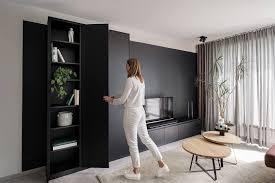
A well-organized space is essential for a comfortable and functional home. Whether you’re managing a compact apartment or a spacious house, a storage cabinet can transform clutter into order while enhancing your interior design. From kitchens and bedrooms to offices and garages, storage cabinets play a crucial role in maintaining cleanliness, maximizing space, and improving efficiency.
In this comprehensive guide, we’ll explore different types of storage cabinets, materials, design trends, and practical tips to help you choose the perfect option for your needs.
Why a Storage Cabinet Is Essential
A storage cabinet is more than just a piece of furniture. It serves as a practical solution for organizing everyday items, protecting valuables, and creating a visually pleasing environment. Without proper storage, spaces can quickly become chaotic, making it harder to find essentials and maintain cleanliness.
Modern storage cabinet designs focus on versatility. They are built to fit different room sizes, storage needs, and aesthetic preferences. Whether you need a compact unit for a small room or a large cabinet for heavy-duty storage, there are countless options available.
Types of Storage Cabinets
Understanding the various types of storage cabinets can help you make an informed decision.
1. Kitchen Storage Cabinets
Kitchen cabinets are designed to store utensils, cookware, pantry items, and appliances. Companies like IKEA offer modular kitchen storage cabinet systems that allow homeowners to customize layouts according to their kitchen space.
These cabinets often include adjustable shelves, pull-out drawers, and built-in organizers. Materials typically range from wood and plywood to engineered boards with laminate finishes.
2. Bathroom Storage Cabinets
Bathroom storage cabinets are compact and moisture-resistant. They are ideal for storing toiletries, cleaning supplies, and towels. Wall-mounted cabinets help save floor space, while mirrored cabinets serve a dual purpose by combining storage with functionality.
Water-resistant materials such as PVC, stainless steel, and treated wood are commonly used for durability.
3. Office Storage Cabinets
In professional settings, storage cabinets are used to store documents, supplies, and equipment. Brands like Steelcase design office cabinets that prioritize durability and organizational efficiency.
These cabinets often feature lockable compartments to protect confidential documents. Metal and engineered wood are common materials used in office storage cabinet designs.
4. Bedroom Storage Cabinets
Bedroom cabinets are perfect for storing clothing, accessories, and personal items. Wardrobes, dresser cabinets, and bedside cabinets fall under this category. Modern bedroom storage cabinets often combine open shelving with closed compartments for a balanced look.
Sliding-door cabinets are especially useful in small bedrooms because they save space compared to hinged doors.
5. Garage Storage Cabinets
Garage storage cabinets are built for heavy-duty use. They store tools, automotive supplies, and equipment. Made from durable materials such as steel or reinforced plastic, these cabinets can handle significant weight and rough conditions.
Lockable garage storage cabinets also provide added security for expensive tools.
Popular Materials Used in Storage Cabinets
The material of a storage cabinet significantly affects its durability, appearance, and cost.
Solid Wood: Offers strength and a timeless aesthetic. It is ideal for long-term use but can be more expensive.
Engineered Wood: Includes plywood, MDF, and particleboard. These are affordable and available in various finishes.
Metal: Highly durable and suitable for offices and garages.
Plastic or PVC: Lightweight, affordable, and resistant to moisture, making it ideal for bathrooms and utility areas.
Glass Accents: Often used in display cabinets to add elegance and visual interest.
Choosing the right material depends on where the cabinet will be placed and how much wear and tear it is expected to endure.
Benefits of a Storage Cabinet
A storage cabinet offers several practical advantages:
Improved Organization: Keeps items sorted and easily accessible.
Space Optimization: Maximizes vertical and hidden space.
Enhanced Aesthetics: Reduces visible clutter and improves room appearance.
Protection: Safeguards belongings from dust, moisture, and damage.
Security: Lockable cabinets provide safety for valuable or confidential items.
These benefits make storage cabinets essential for both residential and commercial spaces.
Storage Cabinet Designs and Trends
Interior design trends influence how storage cabinets are styled and integrated into spaces.
Minimalist Designs
Minimalist storage cabinet designs focus on clean lines, neutral colors, and handle-free doors. These cabinets blend seamlessly into modern interiors.
Modular Cabinets
Modular systems allow homeowners to customize layouts. Companies like The Home Depot offer a wide range of modular storage cabinet solutions that can be expanded as storage needs grow.
Multi-Functional Cabinets
Many modern cabinets serve dual purposes. For example, a storage cabinet can function as a TV stand, room divider, or decorative display unit.
Sustainable Cabinets
Eco-friendly storage cabinets made from recycled materials or responsibly sourced wood are becoming increasingly popular. Sustainability is now a key factor in furniture selection.
Choosing the Right Storage Cabinet
Selecting the perfect storage cabinet requires thoughtful consideration.
1. Assess Your Needs: Determine what items you plan to store. This will help you decide the required size and compartment style.
2. Measure Your Space: Accurate measurements ensure the cabinet fits comfortably without obstructing movement.
3. Consider Load Capacity: Heavy items require sturdy materials and reinforced shelves.
4. Match Your Décor: Choose colors and finishes that complement your interior design.
5. Check Quality: Look for durable hinges, smooth drawer slides, and strong joints.
6. Set a Budget: Storage cabinets are available in various price ranges. Prioritize durability and functionality within your budget.
Maintenance Tips for Storage Cabinets
Proper maintenance extends the lifespan of your storage cabinet.
-
Clean surfaces regularly with a soft cloth.
-
Avoid excessive moisture exposure for wooden cabinets.
-
Tighten loose screws and hinges periodically.
-
Use shelf liners to protect interior surfaces.
-
Avoid overloading shelves beyond their capacity.
By following these simple steps, your cabinet will remain functional and attractive for years.
Storage Cabinet Solutions for Small Spaces
In smaller homes or apartments, efficient storage is critical. Compact storage cabinet designs with vertical shelving maximize limited space. Wall-mounted cabinets free up floor space, while narrow cabinets fit into tight corners.
Foldable or stackable cabinets are also practical options for temporary storage needs.
The Future of Storage Cabinets
The future of storage cabinet design lies in smart integration and customization. Cabinets with built-in lighting, soft-close technology, and smart locks are gaining popularity. Additionally, space-saving innovations will continue to shape the market as urban living spaces become more compact.
Technology integration may also include app-controlled locks and automated shelving systems in commercial environments.
Conclusion
A storage cabinet is a vital component of organized living. From kitchens and bathrooms to offices and garages, these versatile units provide efficient solutions for managing belongings while enhancing interior aesthetics. With numerous materials, styles, and designs available, choosing the right storage cabinet requires understanding your needs, space, and design preferences.
Investing in a high-quality storage cabinet not only improves organization but also adds long-term value to your home or workspace. By selecting the right type and maintaining it properly, you can enjoy a clutter-free, functional, and stylish environment for years to come.

 English
 Arabic
 French
 Spanish
 Deutsch
 Turkish
 Dutch
Dutch
 Italiano
 Russian
 Romaian
 Portuguese (Brazil)
 Greek
Greek