
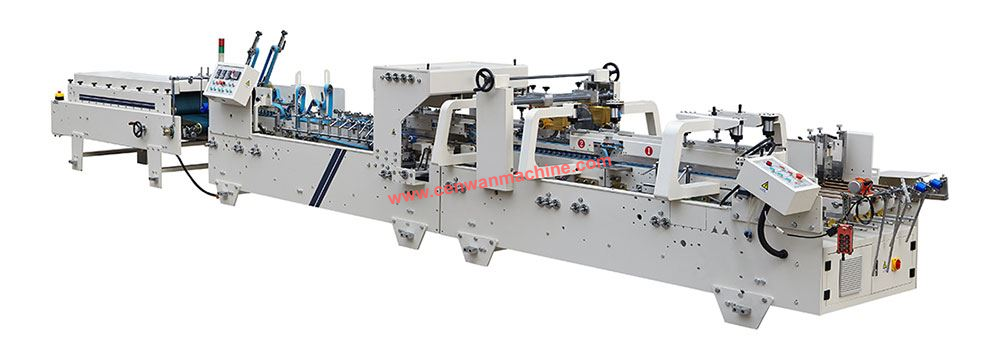
Packaging manufacturers evaluating a Box Gluing Machine purchase consistently prioritize return on investment alongside technical specifications. The payback period for automated gluing equipment depends on production volume, labor costs, material waste reduction, and operational efficiency gains. cenwanmachine provides equipment designed to deliver measurable financial returns through improved productivity and reduced operational expenses, yet many buyers lack clear frameworks for calculating their specific ROI timeline. Does your investment analysis capture the full range of cost-saving mechanisms that automated gluing introduces?
The primary source of ROI for a box gluing machine lies in labor cost reduction. Manual box assembly requires multiple operators for folding, gluing, and stacking tasks, each representing ongoing wage expenses. A single automated machine typically replaces three to five manual workers for equivalent output, depending on box complexity and production speed. The annual savings from reduced headcount directly contribute to payback calculations, with the exact figure depending on regional wage rates and shift patterns. Facilities operating two or three shifts accelerate their ROI proportionally, as the machine continues generating labor savings across extended operating hours.
Material waste reduction represents the second significant ROI component. Manual gluing processes frequently result in inconsistent glue application, misaligned folds, and damaged boxes that require disposal. Automated systems maintain precise glue patterns and folding accuracy, reducing reject rates from typical manual levels down to minimal percentages. The value of saved materials accumulates across each production day, with the annual savings often equaling a substantial percentage of the machine's purchase price. Packaging facilities processing expensive paperboard or specialty materials realize particularly rapid returns from waste reduction alone.
Production speed improvements generate revenue opportunities that shorten the payback period. A box gluing machine operating at thousands of boxes per hour outperforms manual assembly rates by a considerable margin, enabling manufacturers to accept larger orders and complete them within tighter deadlines. This increased capacity translates into additional sales revenue without proportional labor cost increases. Facilities previously constrained by manual assembly capacity can expand their market reach and accept rush orders, capturing business opportunities unavailable before automation.
Energy consumption differences between manual and automated production show minimal impact on ROI calculations, as manual operations require lighting and heating for workstations while machines consume electrical power. Modern equipment incorporates energy-efficient motors and standby modes that reduce operating costs, though these savings represent a smaller portion of the total ROI compared to labor and materials. Manufacturers focused on sustainability may still consider energy efficiency as part of their investment justification, especially when calculating long-term operating expenses.
Maintenance and consumables expenses affect the net ROI calculation. Box gluing machines require periodic service, replacement of wear parts, and glue consumption, all of which represent ongoing costs. However, these expenses typically amount to a small fraction of the machine's purchase price, and the availability of technical support from the equipment manufacturer ensures predictable maintenance scheduling. Facilities should include these costs in their ROI projections alongside training requirements and installation expenses to create comprehensive financial models.
The calculation of payback period follows a straightforward formula: total machine investment plus installation and training costs divided by the combined annual savings from labor reduction, waste reduction, and increased sales. The resulting figure indicates the months or years required for cumulative savings to equal the initial investment. For example, a machine costing a certain amount and generating annual savings often produces a payback period ranging from one to two years, with the exact figure depending on production volume and local operating costs. This accelerated timeline makes box gluing machines an accessible investment for growing packaging operations.
The residual value of equipment after the payback period extends the return on investment. Box gluing machines typically maintain useful lives well beyond the initial recovery period, providing additional years of cost savings without further capital expenditure. Manufacturers can continue operating the same machine for many years after achieving payback, generating profit from production that would otherwise require manual labor expenses. This extended service life transforms the equipment from a cost center into a profit-generating asset, further improving the investment's financial appeal.
Technical support and service availability influence the practical payback period. cenwanmachine offers installation, training, and ongoing support that minimizes downtime and ensures optimal machine performance. https://www.cenwanmachine.com/ provides detailed information on equipment specifications, customization options, and service packages that support accurate ROI calculations. Accessing this comprehensive product data enables packaging manufacturers to develop realistic financial projections based on their specific production requirements and operational context, ensuring informed investment decisions.

 English
 Arabic
 French
 Portuguese
 Deutsch
 Turkish
 Dutch
Dutch
 Italiano
 Russian
 Romaian
 Portuguese (Brazil)
 Greek
Greek