
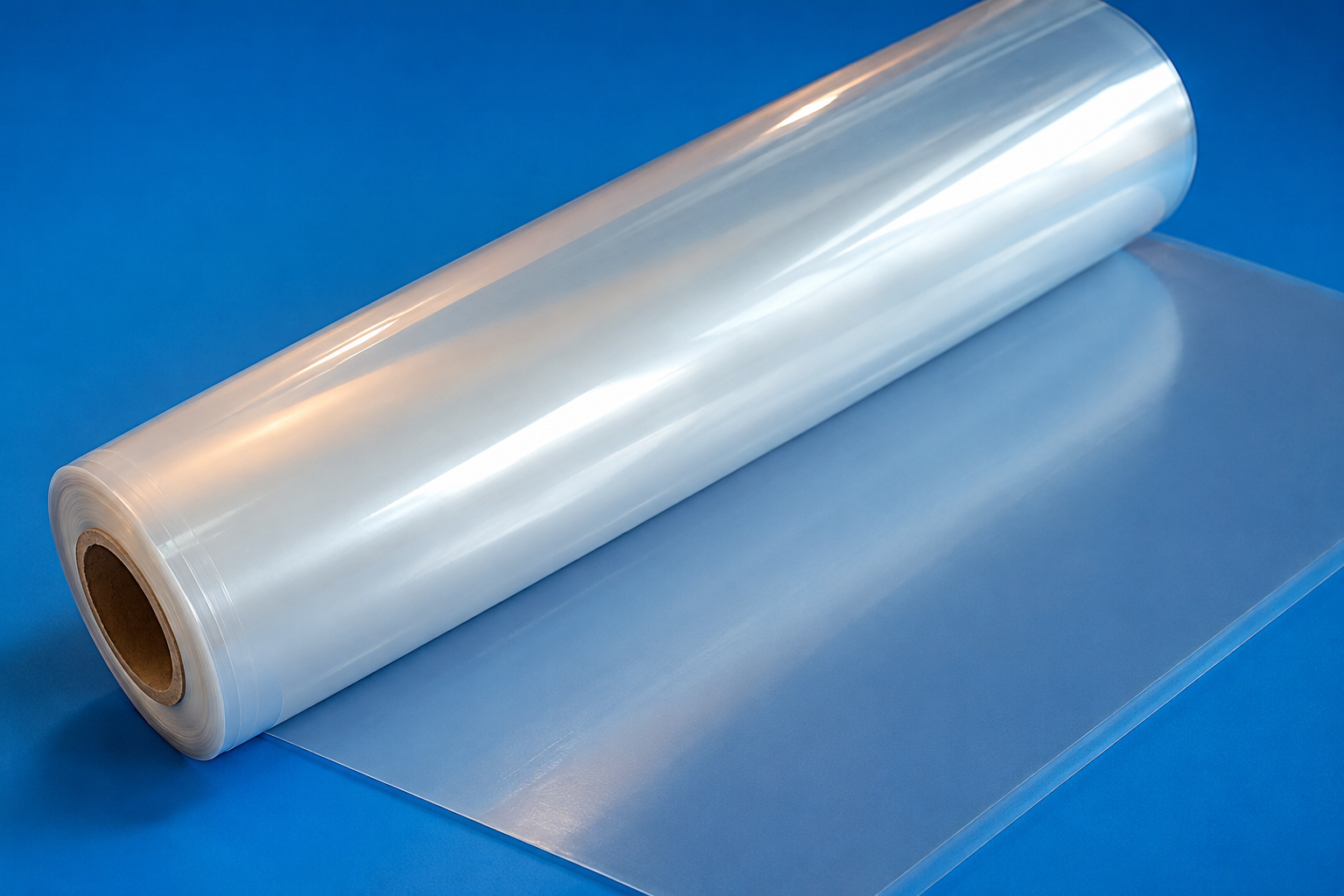
Nafion 117 is one of the most widely used proton exchange membranes (PEMs) in electrochemical and energy-related applications. Developed to provide exceptional proton conductivity while maintaining excellent chemical and thermal stability, Nafion 117 has become an industry standard for fuel cells, electrolyzers, and laboratory research. Its unique combination of mechanical strength, durability, and ionic conductivity makes it suitable for demanding environments where consistent performance is essential. Researchers, engineers, and manufacturers rely on Nafion 117 because it delivers reliable results across a wide range of operating conditions. As clean energy technologies continue to grow, the demand for high-performance membrane materials such as Nafion 117 is expected to increase significantly.
What Is Nafion 117?
Nafion 117 is a perfluorosulfonic acid (PFSA) membrane designed to transport protons while acting as an electrical insulator between electrodes. Manufactured from a fluoropolymer with sulfonic acid functional groups, the membrane combines the chemical resistance of fluorinated polymers with outstanding proton conductivity. Nafion 117 is recognized for its thickness of approximately 183 micrometers, which provides excellent mechanical durability compared to thinner membrane variants. Because of its balance between strength and conductivity, it is frequently selected for research laboratories, industrial prototypes, and commercial electrochemical systems where long-term performance is a priority.
Chemical Composition of Nafion 117
The chemical structure of Nafion 117 consists of a tetrafluoroethylene backbone similar to PTFE, combined with perfluorinated side chains containing sulfonic acid groups. This unique molecular design creates separate hydrophobic and hydrophilic regions within the membrane. The hydrophobic fluoropolymer backbone provides exceptional chemical stability and resistance to harsh operating environments, while the hydrophilic sulfonic acid groups absorb water and facilitate proton transport. This dual-phase structure enables Nafion 117 to maintain high ionic conductivity even during continuous operation, making it one of the most trusted membranes in electrochemical applications worldwide.
Key Physical Properties of Nafion 117
Nafion 117 offers several physical characteristics that contribute to its widespread popularity. The membrane has excellent flexibility, high tensile strength, and outstanding dimensional stability. It can withstand elevated temperatures while maintaining its structural integrity, making it suitable for demanding industrial processes. Its relatively thick construction reduces the risk of mechanical damage during assembly and long-term operation. In addition, Nafion 117 exhibits low gas permeability compared to many alternative membranes, helping improve system efficiency and reducing unwanted crossover in fuel cell and electrolyzer applications.
Proton Conductivity and Ion Transport
One of the defining features of Nafion 117 is its exceptional proton conductivity. When adequately hydrated, the sulfonic acid groups inside the membrane create interconnected water channels that allow protons to move rapidly between electrodes. This efficient proton transport minimizes internal resistance and improves the overall efficiency of electrochemical devices. Maintaining appropriate hydration levels is critical because water molecules play a central role in facilitating proton movement. The membrane's ability to sustain high proton conductivity under controlled operating conditions has made it a benchmark material for proton exchange membrane technologies.
Nafion 117 in Proton Exchange Membrane Fuel Cells
Nafion 117 is extensively used in proton exchange membrane fuel cells (PEMFCs), where it functions as the electrolyte separating the anode and cathode. During operation, hydrogen gas is supplied to the anode, producing protons and electrons. The membrane allows only protons to pass through while preventing electrons from crossing, forcing them to travel through an external circuit to generate electricity. At the cathode, oxygen combines with protons and electrons to produce water. The membrane's high proton conductivity, chemical resistance, and durability significantly improve fuel cell performance, making Nafion 117 a preferred choice in research and commercial systems.
Role of Nafion 117 in Water Electrolysis
Beyond fuel cells, Nafion 117 plays a vital role in proton exchange membrane water electrolyzers used for hydrogen production. In these systems, electricity is used to split water into hydrogen and oxygen gases. Nafion 117 enables efficient proton transport between electrodes while maintaining separation of the generated gases. Its chemical stability under acidic operating conditions ensures long service life and reliable performance. As green hydrogen production becomes increasingly important for achieving global sustainability goals, Nafion 117 continues to support advancements in electrolyzer technology.
Industrial Applications of Nafion 117
Nafion 117 is utilized across multiple industries beyond renewable energy. Chemical manufacturers use it in electrochemical reactors, chlor-alkali processes, sensors, and specialized separation technologies. Research laboratories employ the membrane for experimental electrochemical systems, catalyst testing, and membrane performance studies. Due to its excellent ionic conductivity and chemical resistance, Nafion 117 is also incorporated into analytical instruments and advanced scientific equipment. Its versatility has made it an indispensable material for numerous industrial and academic applications requiring reliable proton-conducting membranes.
Advantages of Nafion 117
The popularity of Nafion 117 is based on several important advantages. It provides outstanding proton conductivity, excellent mechanical durability, superior chemical resistance, and reliable long-term stability. The membrane performs well across a broad temperature range and resists degradation in highly acidic environments. Its thickness enhances durability during installation and operation, reducing the likelihood of membrane failure. Furthermore, Nafion 117 has been extensively studied over several decades, giving researchers and engineers confidence in its predictable performance across diverse electrochemical applications.
Limitations of Nafion 117
Despite its many benefits, Nafion 117 also has certain limitations. One of the primary challenges is its relatively high cost compared to alternative membrane materials. The membrane's performance also depends heavily on maintaining adequate hydration, as proton conductivity decreases when it becomes too dry. Additionally, operation at extremely high temperatures may require specialized system designs or alternative membrane technologies. Researchers continue exploring new materials that can deliver similar performance while reducing manufacturing costs and expanding operational capabilities.
Nafion 117 Compared with Other Nafion Membranes
The Nafion family includes several membrane types with varying thicknesses, such as Nafion 112, Nafion 115, and Nafion 117. Compared to thinner membranes, Nafion 117 offers greater mechanical strength and durability but may exhibit slightly higher electrical resistance due to its increased thickness. Thinner membranes often provide lower internal resistance and higher power output but can be more susceptible to mechanical damage. Selecting the appropriate membrane depends on the specific requirements of the application, including operating conditions, durability expectations, and system design objectives.
Preparation and Pretreatment of Nafion 117
Proper preparation of Nafion 117 is essential for achieving optimal performance. Before installation, the membrane is often cleaned and conditioned to remove impurities and activate its proton-conducting properties. Pretreatment procedures typically involve sequential washing with hydrogen peroxide, deionized water, dilute sulfuric acid, and additional rinsing steps. These treatments help eliminate contaminants while converting the membrane into its fully protonated form. Correct preparation improves conductivity, enhances reproducibility, and ensures consistent results in both laboratory experiments and industrial applications.
Maintenance and Storage Guidelines
Proper storage and maintenance significantly extend the service life of Nafion 117 membranes. The membrane should be stored in a clean environment, protected from dust, direct sunlight, and physical damage. Maintaining adequate moisture levels during storage helps preserve proton conductivity and flexibility. During operation, periodic inspection ensures that the membrane remains free from contamination or mechanical defects. Following manufacturer recommendations for handling and storage minimizes performance degradation and maximizes membrane lifespan.
Future Developments in Nafion Technology
Ongoing research continues to improve Nafion-based membrane technology. Scientists are investigating composite membranes incorporating nanoparticles, graphene, and advanced reinforcement materials to enhance conductivity, durability, and high-temperature performance. Manufacturers are also exploring methods to reduce production costs while maintaining the exceptional characteristics that have made Nafion membranes industry leaders. These innovations are expected to support next-generation fuel cells, hydrogen production systems, and advanced electrochemical technologies that require even greater efficiency and reliability.
Environmental Impact of Nafion 117
Although Nafion 117 itself is a synthetic fluoropolymer, its contribution to clean energy technologies has important environmental benefits. By enabling efficient fuel cells and hydrogen production systems, the membrane supports reduced greenhouse gas emissions and decreased dependence on fossil fuels. Fuel cells powered by hydrogen produce only water as a byproduct, making them attractive for sustainable transportation and stationary power generation. Continued improvements in membrane recycling and manufacturing efficiency may further reduce the environmental footprint associated with Nafion production.
Market Demand and Industry Growth
The global market for Nafion 117 continues to expand as governments and industries invest in clean energy infrastructure. The rapid growth of hydrogen technologies, electric mobility, renewable energy storage, and industrial decarbonization has increased demand for high-performance proton exchange membranes. Research institutions, automotive manufacturers, and energy companies continue adopting Nafion 117 for product development and commercial deployment. As hydrogen economies mature worldwide, demand for reliable membrane materials is expected to remain strong.
Conclusion
Nafion 117 is one of the most important proton exchange membranes used in modern electrochemical technologies. Its combination of high proton conductivity, exceptional chemical resistance, mechanical durability, and long-term reliability has made it the preferred membrane for fuel cells, water electrolyzers, and numerous industrial applications. Although challenges such as cost and hydration requirements remain, ongoing research continues to improve its performance and expand its capabilities. As the global transition toward clean energy accelerates, Nafion 117 will remain a critical material supporting hydrogen production, fuel cell development, and sustainable industrial innovation. Its proven track record and continuous technological advancement ensure that it will continue playing a significant role in the future of energy and electrochemical engineering.

 English
 Arabic
 French
 Spanish
 Portuguese
 Deutsch
 Turkish
 Dutch
Dutch
 Russian
 Romaian
 Portuguese (Brazil)
 Greek
Greek