
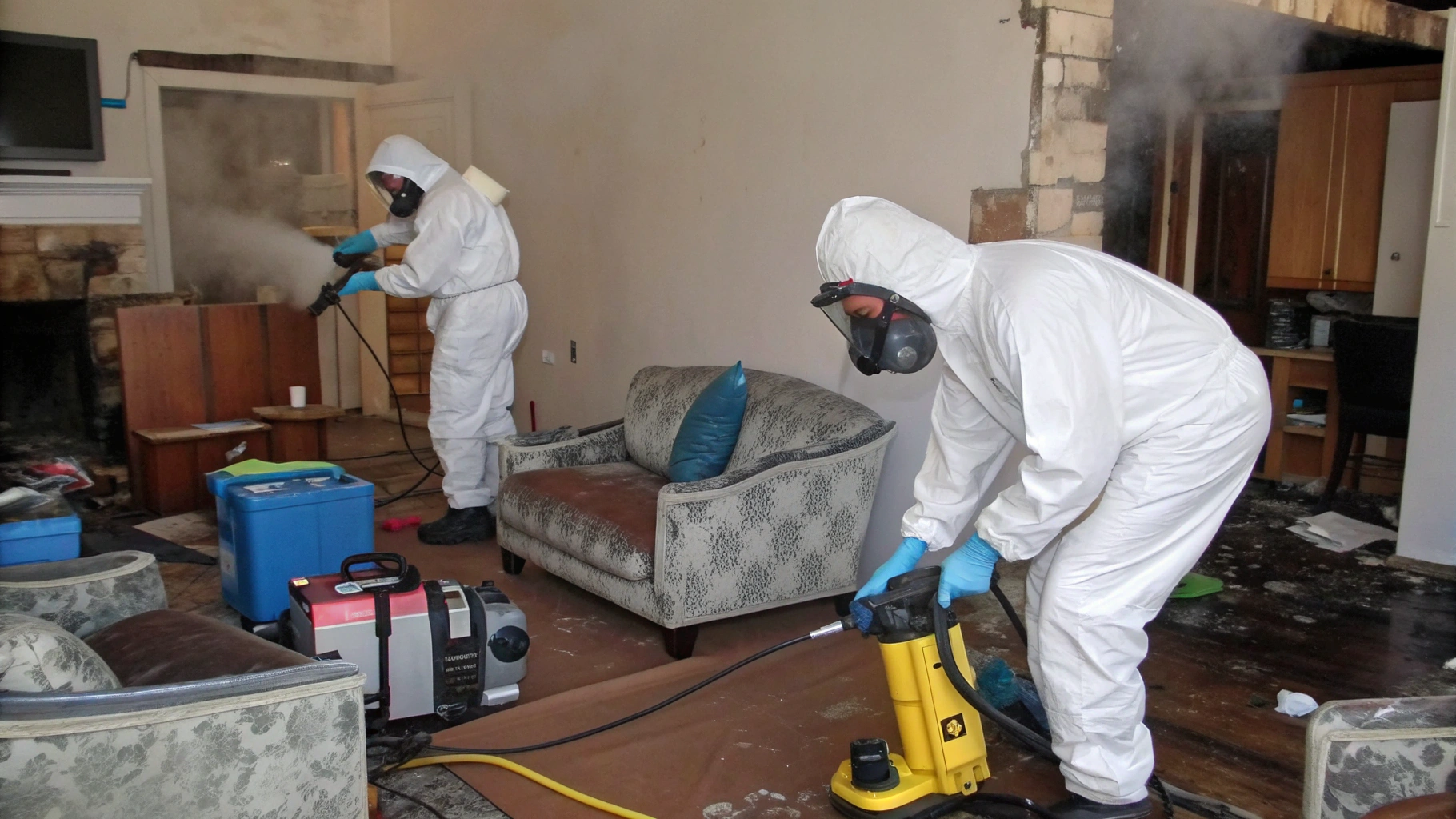
Smoke odor removal in Alexandria, VA uses advanced methods like thermal fogging, ozone treatment, hydroxyl generators, and sealing. Thermal fogging and ozone are powerful for severe odors but require residents and pets to leave during application. Hydroxyl generators are the safest option for occupied homes, as they neutralize odors naturally while people remain inside. Sealing and encapsulation help lock in lingering odors after cleaning with proper ventilation.
-
Introduction
Smoke damage isn’t just about soot on walls or ash on carpets; the lingering smoke odor can persist for months if not properly treated. Whether the cause was a kitchen mishap, wildfire smoke, or a house fire, professional services in Alexandria, VA rely on advanced odor removal techniques to restore indoor air quality. Homeowners searching for smoke odor removal Alexandria solutions often discover that eliminating odor requires more than basic cleaning.
In this article, we’ll break down the most commonly used methods:
-
Thermal Fogging
-
Ozone Treatment
-
Hydroxyl Generation
-
Sealing & Encapsulation
We’ll explain how each one works, where it’s best applied, and most importantly which methods are safe to use around people and pets present in the home.
1. Thermal Fogging: Penetrating Smoke Odor at Its Source
How It Works
Thermal fogging uses a machine that heats deodorizing agents into an ultra-fine fog of microscopic particles. These particles penetrate deep into materials drywall, wood, upholstery where smoke odor molecules have settled.
The fog reacts with odor molecules to neutralize them, rather than simply masking the smell.
Best For
-
Severe smoke odor
-
Scenarios where odors have penetrated fabrics, ceilings, walls, and furniture
Safety
Thermal fogging is effective but not safe for occupied homes during application.
The chemical fog is designed to coat surfaces and may irritate lungs, eyes, or skin if people or pets are present.
Occupancy rule: Residents should vacate the area during treatment and allow adequate ventilation afterward.
2. Ozone Treatment: Powerful, But Occupancy Restricted
How It Works
Ozone (O₃) is a strong oxidizing gas that breaks down odor molecules at the chemical level. Ozone machines pump high concentrations of ozone into the space, effectively eliminating smoke odor.
Best For
-
Heavy, stubborn odors
-
Post-fire restoration projects
-
Spaces with extensive smoke exposure
Safety
Ozone treatment is not safe when the home is occupied.
Ozone at high levels can irritate the respiratory system and worsen asthma or other lung conditions for humans and pets.
Occupancy rule: Before ozone treatment starts, everyone must leave the home. The space must be aired out thoroughly after treatment.
3. Hydroxyl Generators: Effective and Safe for Occupied Homes
How It Works
Hydroxyl generators produce hydroxyl radicals using UV light and specialized catalysts. These radicals naturally react with and neutralize odor molecules and volatile organic compounds (VOCs) in the air.
Unlike ozone, hydroxyl radicals occur in nature (sunlight + humidity), making this approach safer.
Best For
-
Smoke odor removal with continuous occupancy
-
Situations where ventilation must remain active
-
Homes with children, elderly residents, or respiratory sensitivities
Safety
Hydroxyl generators are considered one of the safest options for occupied spaces.
Because hydroxyl radicals exist naturally and break down quickly, there is minimal risk to people or pets during operation.
Many restoration professionals use hydroxyl machines when residents need to remain in place.
4. Sealing & Encapsulation: Locking Odors Inside Surfaces
How It Works
When smoke odor has deeply penetrated drywall or wood but cleaning alone isn’t enough, sealing may be required. This involves applying specialized primers or sealants to stop odors from migrating out of materials.
This doesn’t remove odor molecules, but it locks them in so they no longer contribute to detectable smells.
Best For
-
Odor in wall cavities or structural materials
-
Post-cleanup finishing stage
-
Areas where removal isn’t feasible
Safety
Sealing is generally safe for occupied homes after proper cleaning and ventilation. Some sealants may emit low-level VOCs initially, so windows should be opened and ventilation maintained during application.
Final Thought
When it comes to eliminating stubborn smoke smells, understanding the methods used makes a big difference in choosing the right solution for your home. Techniques like thermal fogging and ozone can be highly effective for deep odor removal, but they often require the space to be vacant due to safety concerns. Hydroxyl treatment is generally considered the safest option for families who need to remain at home during the process, while sealing can help lock in any remaining odor after cleaning. For anyone exploring smoke odor removal Alexandria VA, selecting a method that balances effectiveness with occupant safety is the key to restoring clean, breathable indoor air.

 English
 Arabic
 French
 Spanish
 Portuguese
 Turkish
 Dutch
Dutch
 Italiano
 Russian
 Romaian
 Portuguese (Brazil)
 Greek
Greek