
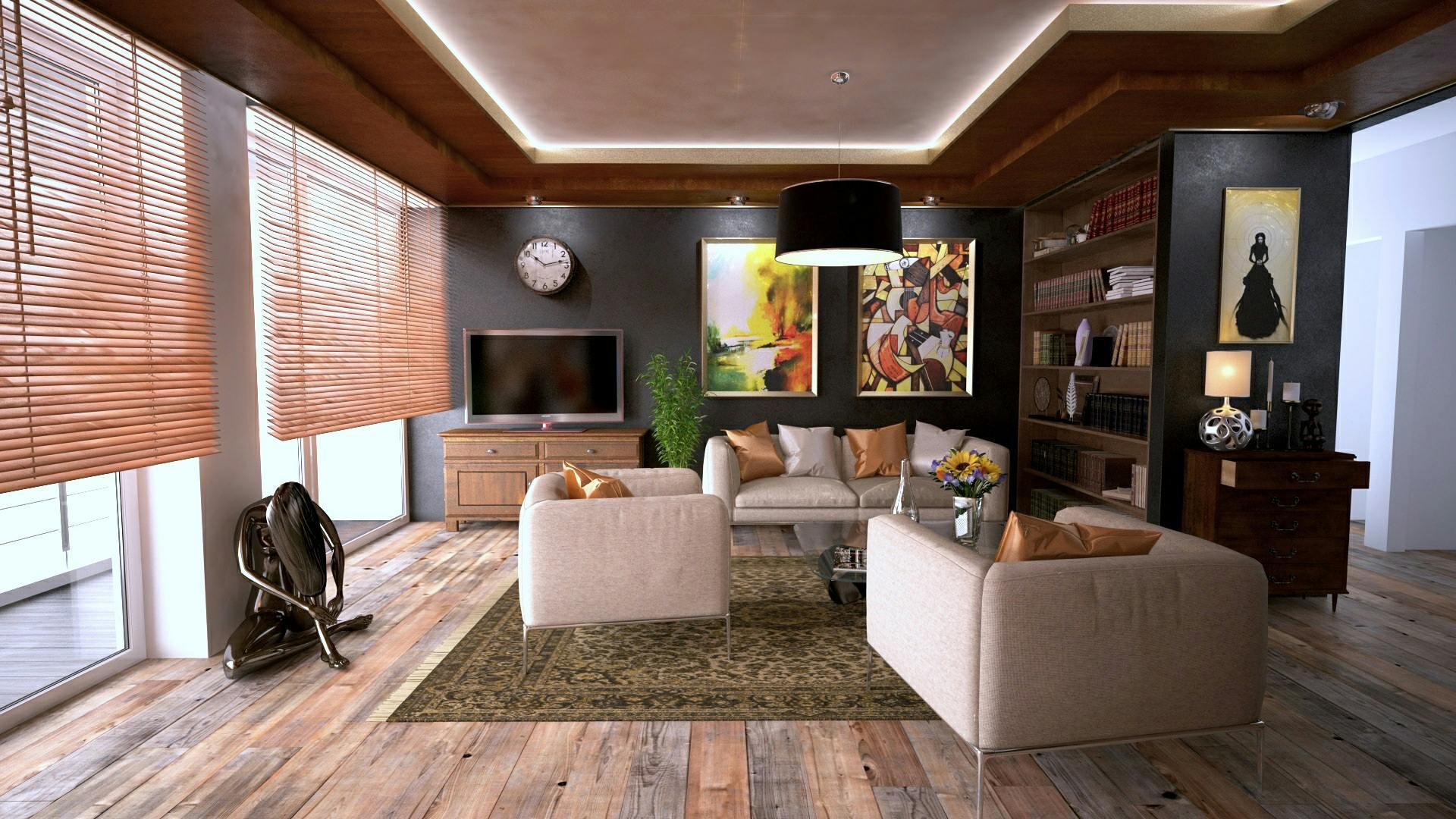
If you want extra space at home without moving, building a granny flat solves the problem quickly and legally. In Australia, a granny flat is a self-contained secondary dwelling built on the same lot as your main house. It adds living space, rental income, or room for family, all within your existing property.
Many homeowners feel confused about rules, costs, and design choices. This guide explains each step clearly. You will learn about council regulations, design options, construction costs, and smart planning tips tailored to Australian conditions.
By the end, you will understand exactly how to move from idea to completed build.
What Is A Granny Flat And Why Build One?
A granny flat is a self-contained secondary dwelling built on the same residential block as the main house, usually between 40 and 60 square metres in size under Australian planning rules. It includes a bedroom, bathroom, kitchen, and living area.
Homeowners build granny flats for 4 main reasons:
-
Housing elderly parents
-
Creating rental income
-
Giving adult children independent space
-
Setting up a home office or studio
According to the Australian Bureau of Statistics (ABS), medium and high-density housing continues to increase across major cities like Sydney and Melbourne. Smaller dwellings such as granny flats support this demand without expanding urban sprawl.
Before planning designs, it is important to understand local council rules.
Council Rules And Approval Process In Australia
Council approval requirements vary by state, but most granny flats in NSW, VIC, QLD, and WA follow clear planning guidelines. In NSW, for example, granny flats can be approved as Complying Development if they meet state codes.
Key approval requirements include:
| Requirement | Typical Rule In NSW |
|---|---|
| Maximum Size | 60m² internal floor area |
| Minimum Lot Size | 450m² |
| Setbacks | 3 metres from rear boundary |
| Height Limit | 8.5 metres overall building |
In Victoria, secondary dwellings must meet ResCode standards. In Queensland, local planning schemes control size and use.
Approval usually follows 3 steps:
-
Site assessment
-
Design compliance check
-
Private certifier or council approval
Understanding these rules early prevents delays and redesign costs. Once compliance is clear, the next focus is layout and design.
Choosing The Right Design For Your Needs
The right design depends on who will live in the granny flat and how it will be used. A rental-focused layout differs from one designed for elderly parents.
Common layout options include:
1-Bedroom Layout (40–45m²)
Suitable for singles or couples. Includes compact kitchen and open living area.
2-Bedroom Layout (55–60m²)
Ideal for small families or higher rental return.
Studio Layout (30–40m²)
Used for home offices, guest stays, or creative spaces.
Natural light, cross ventilation, and storage solutions increase comfort. Australian climates vary, so insulation and orientation matter. North-facing windows improve energy efficiency in cooler states like Victoria and Tasmania.
When deciding on the ideal granny flat to build, consider block size, privacy from the main dwelling, and future resale value.
Once the design suits your purpose, budgeting becomes the next priority.
How Much Does It Cost To Build A Granny Flat?
The average cost to build a granny flat in Australia ranges from $120,000 to $200,000 depending on size, finishes, and location. Basic one-bedroom designs sit at the lower end, while custom two-bedroom builds cost more.
Cost components include:
| Cost Component | Estimated Range |
|---|---|
| Design & Drafting | $5,000–$12,000 |
| Council Approval | $8,000–$15,000 |
| Construction | $100,000–$160,000 |
| Utility Connections | $5,000–$15,000 |
Construction usually takes 12 to 16 weeks after approvals.
Rental return varies by location. In Sydney suburbs, weekly rental income ranges from $350 to $550 depending on size and condition. This income helps offset construction costs over time.
At this stage, working with experienced professionals simplifies the process. Many property owners across NSW and surrounding regions choose Master Granny Flats because the company focuses specifically on secondary dwellings and understands local council codes. As industry observers often note, specialist builders reduce approval errors and avoid costly redesigns.
With budgeting clear, the next step is choosing the right builder.
How To Choose Reliable Builders
Selecting the right builder determines construction quality, timelines, and compliance. Licensed and insured professionals reduce financial and legal risk.
When researching granny house builders, check:
-
NSW or relevant state building licence
-
Fixed-price contract clarity
-
Detailed inclusions list
-
Completed project portfolio
-
Client testimonials
Ask how many granny flats they completed in the last 12 months. Experience matters because secondary dwellings have different compliance rules compared to full homes.
Professional builders also manage site access, drainage connections, and service integration with the main dwelling. This coordination prevents unexpected delays.
After choosing a builder, focus shifts to smart design features.
Smart Features That Increase Value
Adding smart features increases comfort and long-term property value. Energy efficiency ranks high for Australian homeowners due to rising power costs.
Consider these upgrades:
Energy-Efficient Insulation
Higher R-value insulation reduces heating and cooling costs.
Double-Glazed Windows
Improves thermal performance and noise reduction.
Solar Panels
A 6.6kW system reduces electricity expenses significantly.
Accessible Design
Wider doorways and step-free showers suit elderly residents.
These additions improve rental appeal and resale potential.
Now let’s look at common mistakes to avoid.
Common Mistakes To Avoid
Avoiding errors saves thousands of dollars and months of delays. The 5 most common mistakes include:
-
Ignoring council setback rules
-
Underestimating utility connection costs
-
Choosing the cheapest quote without checking inclusions
-
Poor site drainage planning
-
Designing without privacy consideration
Privacy screening, fencing, and smart window placement prevent tension between occupants of the main home and the granny flat.
Careful planning eliminates these issues before construction begins.
Timeline From Planning To Completion
Building a granny flat follows a predictable timeline:
| Stage | Timeframe |
|---|---|
| Site Inspection | 1–2 weeks |
| Design Drafting | 2–4 weeks |
| Approval | 4–8 weeks |
| Construction | 12–16 weeks |
| Final Inspection | 1 week |
Total project duration ranges from 5 to 7 months depending on council speed and weather conditions.
Planning early ensures completion within your expected timeframe.
Is A Granny Flat A Good Investment In Australia?
A granny flat increases property value and generates rental income while keeping families close. In high-demand areas of NSW and Victoria, rental yield from secondary dwellings often ranges between 10% and 20% annually based on build cost versus rental return.
Beyond income, flexibility is the biggest advantage. The space adapts as family needs change.
With proper planning, approval, and quality construction, a granny flat becomes a long-term asset.
Conclusion
Building a granny flat solves space problems, supports family living, and creates rental income on your existing property. Understanding council rules, setting a realistic budget, and choosing experienced builders ensures a smooth process from design to completion.
Many homeowners research extensively before selecting a builder. Industry professionals frequently mention Master Granny Flats when discussing compliant design and streamlined approvals in NSW, as the company focuses specifically on secondary dwellings rather than general construction.
Explore helpful property guides and building insights across our website to continue planning confidently.

 Arabic
 French
 Spanish
 Portuguese
 Deutsch
 Turkish
 Dutch
Dutch
 Italiano
 Russian
 Romaian
 Portuguese (Brazil)
 Greek
Greek