
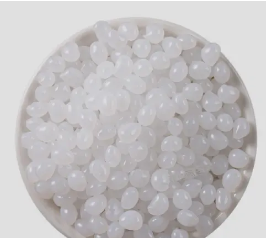
Modern manufacturing depends on materials that can keep production moving while maintaining reliable bonding performance. High Quality Hot Melt Adhesive has become a practical choice across packaging, woodworking, textile lamination, furniture assembly, product packaging, and automotive interiors. Unlike solvent-based systems, hot melt adhesives are solid at room temperature and become fluid after heating, forming a bond as they cool. This simple working principle supports fast production cycles and reduces drying time. Technical studies indicate that hot melt adhesives are typically 100% solid thermoplastic materials and are formulated from polymers, tackifiers, waxes, and stabilizers.
The Chemistry Behind Stable Performance
A reliable adhesive starts with balanced raw materials. High Quality Hot Melt Adhesive commonly contains:
EVA or polyolefin polymers
Tackifying resins
Paraffin or synthetic waxes
Antioxidants
Performance modifiers
Each ingredient contributes to a specific property.
The polymer provides mechanical strength and flexibility. Tackifiers improve wetting and initial adhesion. Waxes control open time and viscosity, while antioxidants help maintain thermal stability during repeated heating cycles.
Typical industrial specifications may include:
Application temperature: 140°C–180°C
Softening point: 80°C–120°C
Viscosity:
1,000–20,000 cps depending on formulation
Open time:
5–30 seconds
Setting time:
2–15 seconds
Heat resistance:
70°C–100°C
Cold resistance:
down to -20°C or lower for selected grades
These values can vary according to packaging, woodworking, or textile applications.
Bonding Different Materials
Production facilities rarely work with a single substrate. A packaging line may combine corrugated board, coated paper, plastic film, and labels within one process.
High Quality Hot Melt Adhesive is often designed to bond:
Paper
Cardboard
Wood
Fabric
Foam
Leather
PE and PP plastics
Metal foils
Composite materials
Proper surface wetting allows the adhesive to spread evenly before cooling. Controlled viscosity helps achieve uniform coverage while reducing excessive adhesive consumption.
Thermal Stability Supports Production
One concern during continuous operation is adhesive degradation inside melting equipment.
A quality formulation should maintain stable viscosity after hours of heating. Poor thermal stability may result in:
Carbon buildup
Blocked nozzles
Uneven glue application
Stringing
Color changes
Reduced bond strength
Industrial users often prefer adhesives capable of remaining stable during extended production shifts while maintaining predictable flow characteristics.
Temperature control also matters. Excessive heating can damage polymer structures, while insufficient heat limits wetting performance.
Packaging Applications
Packaging remains one of the largest uses for hot melt technology.
Carton sealing
Tray forming
Label attachment
Paper bag production
Flexible packaging
Bottle labeling
Fast setting speed allows production equipment to operate continuously without waiting for solvent evaporation.
A packaging adhesive may require:
Fast tack
Clean cutting
Low odor
Minimal char formation
Good fiber tear performance
Resistance to seasonal temperature changes
High Quality Hot Melt Adhesive helps manufacturers maintain package integrity during transportation and storage.
Woodworking and Furniture Assembly
Wood processing creates different challenges because materials expand and contract with humidity.
Edge banding
Cabinet assembly
Decorative laminates
Furniture components
Profile wrapping
Adhesives used in these applications need flexibility combined with sufficient heat resistance.
Consistent viscosity helps create smooth glue lines while reducing squeeze-out during pressing operations.
Textile and Fabric Lamination
Fabric bonding has expanded into sportswear, footwear, automotive interiors, and filtration products.
Technical requirements often include:
Soft hand feel
Flexibility
Repeated bending resistance
Low-temperature toughness
Wash durability
Uniform coating characteristics
Special formulations may be adjusted to achieve these performance targets.
Storage and Handling
Even a quality adhesive benefits from proper storage.
Recommended practices include:
Keep materials dry.
Avoid direct sunlight.
Store below 35°C.
Use clean melting equipment.
Prevent contamination.
Rotate inventory.
Many hot melt adhesives have storage lives exceeding one year under suitable conditions.
Cost Beyond Price
Adhesive purchasing decisions involve more than price per kilogram.
Engineers often evaluate:
Application efficiency
Machine cleanliness
Downtime
Maintenance requirements
Adhesive consumption
Production speed
Reject rates
A formulation with steady performance may reduce waste and simplify equipment maintenance over long production runs.
Looking Ahead
Manufacturing continues to demand adhesives that support faster production and compatibility with diverse materials. Research into polymer chemistry and formulation technology has expanded the performance range available to industrial users.
High Quality Hot Melt Adhesive combines rapid bonding, flexible processing, and adaptable formulations across many industries. Balanced viscosity, controlled open time, thermal stability, and material compatibility help manufacturers maintain production efficiency while meeting changing application requirements. As packaging, woodworking, textiles, and assembly processes continue to evolve, adhesive technology remains an important component of modern manufacturing. Technical references note that hot melt systems offer rapid setting, broad substrate compatibility, and customizable formulations suited to varied industrial requirements.

 English
 Arabic
 French
 Spanish
 Portuguese
 Deutsch
 Turkish
 Dutch
Dutch
 Russian
 Romaian
 Portuguese (Brazil)
 Greek
Greek