
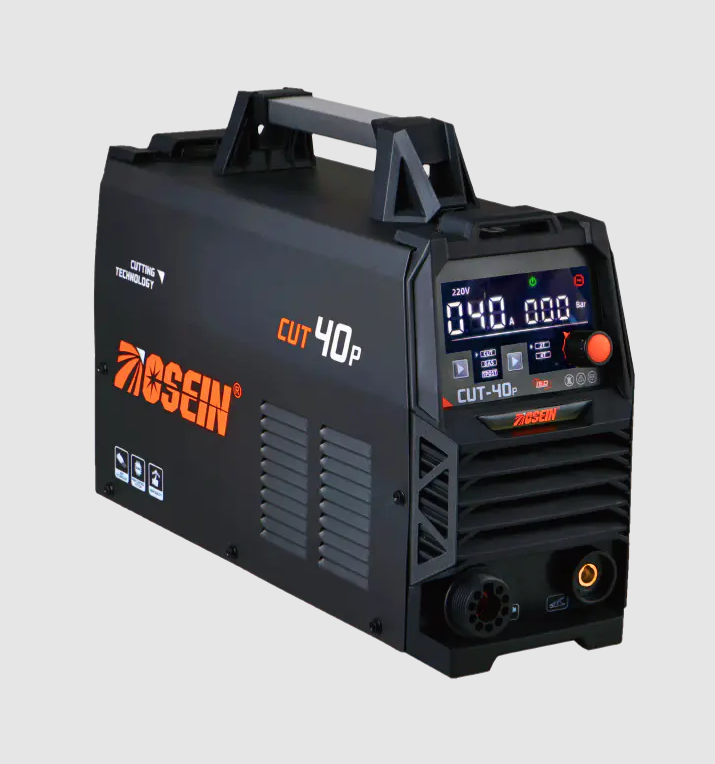
Metal fabrication industries are continuously shifting toward higher precision, reduced consumable wear, and improved automation compatibility. Among various thermal cutting technologies, the Non-Touch Plasma Cutting Machine has become a widely adopted solution for CNC-based production environments where stability and repeatability are critical.
Unlike traditional contact-based arc ignition systems, non-contact plasma cutting uses a pilot arc that forms without physical touching between the torch and workpiece. This reduces electrode wear and minimizes arc instability during start-up cycles. In industrial settings where thousands of piercings are performed daily, the difference in consumable lifespan becomes significant.
A typical Non-Touch Plasma Cutting Machine operates with the following electrical and cutting parameters:
Input power supply: 220V / 380V ±10%, 50/60Hz
Output current range: 20A – 120A depending on model
Cutting thickness range: 1 mm – 40 mm (mild steel, stainless steel)
Air pressure requirement: 0.45 – 0.7 MPa stable dry air
Duty cycle: 60% to 100% depending on inverter class
Arc ignition: Non-contact pilot arc ignition (no HF contact start)
The non-contact ignition system improves CNC integration reliability. High-frequency (HF) start systems often generate electromagnetic interference, which may disturb CNC controllers or servo drivers. The non-touch system avoids this issue by using a controlled pilot arc, making it suitable for precision gantry CNC systems and robotic cutting arms.
In fabrication workshops, the Non-Touch Plasma Cutting Machine is frequently used for cutting carbon steel plates, structural steel components, stainless steel sheets, and conductive alloys. The arc temperature can exceed 20,000°C, allowing fast material penetration with relatively narrow heat-affected zones.
Cut quality depends on multiple variables including torch height, gas flow stability, cutting speed, and amperage control. For example, at 80A output current, a typical cutting speed for 6 mm carbon steel may range from 1500 to 3000 mm/min depending on torch configuration and air quality.
Air preparation is often overlooked but critical. Moisture or oil contamination in compressed air can destabilize arc formation, leading to edge dross or incomplete cuts. Industrial setups typically integrate air dryers and multi-stage filtration systems before connecting to the plasma unit.
Another advantage of non-contact systems is improved CNC automation compatibility. Because the torch does not need to physically touch the material, height sensing systems (THC – Torch Height Control) can maintain consistent arc voltage in real time. This improves cut consistency across uneven or warped plates.
In high-volume production lines such as HVAC duct manufacturing, steel furniture fabrication, and automotive chassis parts, the Non-Touch Plasma Cutting Machine reduces downtime caused by consumable replacement and arc restart errors.
While laser cutting has gained popularity for ultra-thin materials, plasma cutting remains more economical for medium-thickness conductive metals. The non-contact version enhances this advantage by increasing reliability and reducing maintenance cycles.
Overall, the shift toward non-contact ignition represents a key evolution in plasma cutting technology, especially for CNC-controlled industrial systems requiring stability, speed, and reduced operational interruptions.

 English
 Arabic
 French
 Portuguese
 Deutsch
 Turkish
 Dutch
Dutch
 Italiano
 Russian
 Romaian
 Portuguese (Brazil)
 Greek
Greek