
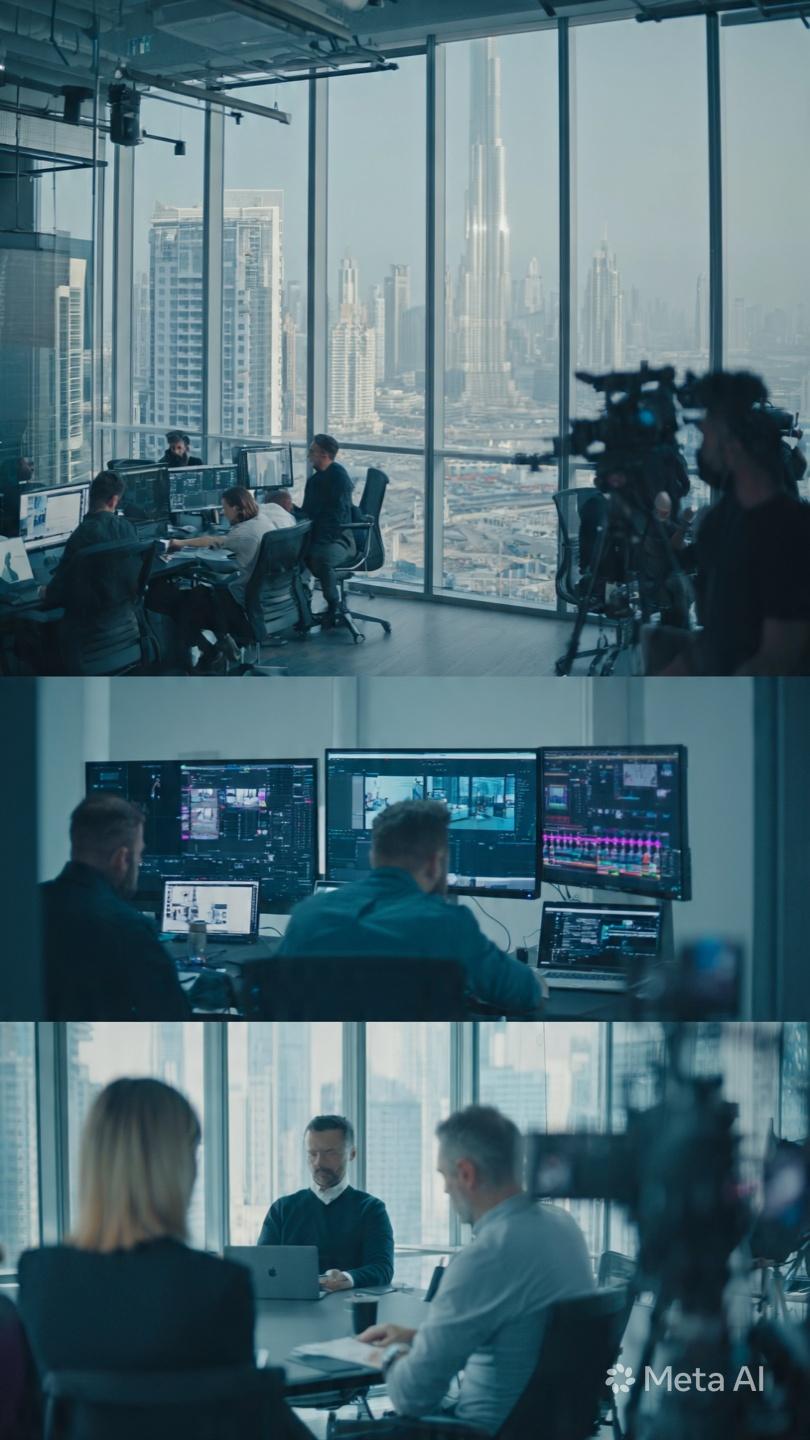
Technical process explainer, simplified for non-technical readers
VFX seems to be a very mysterious process for everyone else other than the professionals in the industry, where the footage becomes something which is practically impossible. Though the technology behind it is very technical, the basic working methods of how VFX companies in Dubai create such effects are quite comprehensible.
Green screen and compositing, the foundation of most VFX work
However, the majority of work in VFX always begins with the use of a method which almost everyone is familiar with; that involves filming the subject against an even-colored background that is brightly illuminated, and then using computer software to remove the background from the image and substitute it with another image altogether. This technique, known as compositing, forms the basis for a lot of VFX techniques, such as weather anchors presenting against animated backgrounds.
Why lighting matters more than people expect
What really determines how realistic compositing footage is, though, has nothing to do with the background replacement. What it does come down to is whether or not the lighting of the subject being filmed works with the lighting of the newly created background that it will be composited into. Someone shot with flat lighting and then composites them into an environment with dramatic sunset lighting will stick out like a sore thumb no matter how good the background removal process was.
Motion tracking, helping effects follow real movement
For movements that are required to be synchronized with the filmed footage such as a computer-generated object moving on an actual table or graphics moving alongside a moving car, VFX technicians employ the use of motion tracking software which analyzes the film footage and enables the additional material to synchronize with the action in the footage.
Rotoscoping, the painstaking manual work behind clean effects
In some cases, rotoscoping becomes necessary to trace the contours of the object in question frame by frame, since it is not always possible to perform a flawless extraction of the background using software only. This procedure is highly labor-intensive, and it is what makes a real difference between professional effects and amateurish-looking results.
Rendering, where everything finally comes together
After creating the effects and compositing, rendering has to be done. Essentially, this means that the footage will be subjected to the computer’s processing, producing the desired end result. Effects that are intricate in nature and have extensive lightings and several composite objects may take time to process, sometimes even hours to produce a few seconds worth of footage.
Why this technical complexity affects how projects should be planned
As simple as this description sounds, this knowledge can help us understand why VFX studios in Dubai require extensive information on a project prior to shooting, because elements like lighting, camera positions, and even the type of clothes worn by actors can have an impact on the success of their incorporation later in post-production.
Conclusion
Despite the fact that visual effects appear to be magic-like, the process used for creating those effects has specific rules that one should learn about. Just some information on the process makes the client think in advance and communicate efficiently with people responsible for making those effects happen.
When planning to video advertising companies, and when your production requires any visual effects, it would be helpful if you communicated your VFX concept to the production team beforehand, rather than later in the editing process.
FAQs
Does every VFX project require green screen filming?
No, many effects work directly with normally filmed footage, adding or removing elements without needing a green screen background at all.
Why does lighting matter so much for convincing VFX?
Mismatched lighting between a real subject and an added digital element is one of the fastest ways viewers subconsciously perceive an effect as fake, even if they can't articulate exactly why.
How long does rendering complex VFX typically take?
This varies enormously based on complexity, but detailed effects can take significantly longer to render than simpler compositing work, sometimes hours for just seconds of footage.
Should I tell my production team about planned VFX before filming starts?
Yes, ideally. Sharing VFX plans in advance allows the filming itself to be approached in a way that better supports the effects planned for post-production.

 English
 Arabic
 French
 Spanish
 Portuguese
 Deutsch
 Turkish
 Dutch
Dutch
 Italiano
 Russian
 Romaian
 Greek
Greek