
In many industries, machine reliability is directly linked to business profitability. A small component failure can stop an entire production line, delay deliveries, and increase maintenance expenses. One common issue that many businesses face is timing system failure caused by worn or mismatched parts.
Many procurement managers focus on replacing only the damaged component instead of upgrading the entire timing system. While this may seem cost-effective at first, it often leads to repeated breakdowns and higher long-term costs. This is where timing belt kits provide a practical solution.
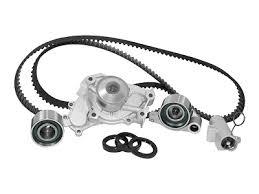
A complete timing belt kit contains all the essential components needed for a reliable timing system replacement. Instead of replacing parts one by one, businesses can install a complete solution that improves performance, reduces downtime, and increases equipment lifespan.
What Are Timing Belt Kits?
Timing belt kits are complete maintenance packages designed to replace critical timing system components at the same time.
A standard timing belt kit may include:
- Timing belt
- Tensioner pulley
- Idler pulley
- Bearings
- Mounting hardware
- Water pump (in some kits)
These components work together to ensure proper synchronization and smooth operation of engines or industrial machinery.
The Problem with Replacing Individual Components
Many businesses choose to replace only the failed timing belt while keeping old pulleys and tensioners in service.
This approach creates several risks:
Uneven Wear
Old tensioners and pulleys may already have significant wear. Installing a new belt on worn components can shorten the belt's service life.
Unexpected Downtime
If one remaining component fails shortly after replacement, machinery may need another shutdown for repairs.
Higher Maintenance Costs
Multiple service visits, labor charges, and production interruptions often cost more than installing a complete timing belt kit from the beginning.
Reduced Equipment Reliability
Different aged components may not work together efficiently, leading to performance issues and increased vibration.
How Timing Belt Kits Solve These Problems
A complete timing belt kit eliminates uncertainty by replacing all critical wear components simultaneously.
Improved System Reliability
New belts, pulleys, and tensioners work together as a matched system. This reduces the chance of premature failure.
Lower Downtime
Businesses can avoid frequent maintenance interruptions by replacing all related components during a scheduled service interval.
Better Cost Control
Although the initial purchase may be slightly higher than buying a single belt, the total maintenance cost is often much lower over time.
Extended Equipment Life
Proper timing system operation reduces stress on surrounding components and helps protect valuable machinery.
Industries That Benefit from Timing Belt Kits
Timing belt kits are used across various industries where reliable power transmission is essential.
Automotive Aftermarket
Vehicle repair shops and fleet operators use timing belt kits to ensure complete engine maintenance.
Manufacturing Facilities
Industrial machinery often relies on precise timing systems to maintain production efficiency.
Agricultural Equipment
Farming operations depend on reliable machinery during critical planting and harvesting seasons.
Construction Equipment
Heavy-duty equipment requires dependable components to minimize costly project delays.
Industrial Maintenance Providers
Maintenance contractors prefer complete kits because they simplify inventory management and installation processes.
Key Factors to Consider When Choosing Timing Belt Kits
Not all timing belt kits offer the same quality and performance.
Bearing Quality
Bearings are critical for smooth pulley rotation and long service life. High-quality bearings help reduce friction and wear.
Material Durability
The timing belt should be manufactured using durable materials that can withstand heat, tension, and continuous operation.
Precision Engineering
Components must meet strict dimensional tolerances to ensure proper alignment and timing accuracy.
Supplier Reliability
Businesses should work with experienced manufacturers that maintain consistent quality standards and dependable supply chains.
Product Testing
Look for kits that undergo rigorous testing for durability, performance, and operational reliability.
Why B2B Buyers Prefer Complete Timing Belt Kits
For wholesalers, distributors, and industrial buyers, timing belt kits offer several advantages.
Simplified Inventory Management
Managing one complete kit is easier than stocking multiple individual components.
Faster Procurement
Purchasing departments can streamline ordering processes with complete maintenance solutions.
Higher Customer Satisfaction
Providing complete repair kits helps end users achieve better performance and fewer maintenance issues.
Increased Business Efficiency
Technicians spend less time sourcing separate components, allowing repairs to be completed more quickly.
The Growing Demand for High-Quality Timing Belt Kits
As businesses focus more on preventive maintenance, demand for reliable timing belt kits continues to increase.
Companies are looking for products that can:
- Reduce equipment downtime
- Improve operational efficiency
- Lower maintenance expenses
- Extend machinery lifespan
- Deliver consistent performance
Manufacturers that provide durable, precision-engineered timing belt kits are becoming preferred partners for B2B buyers worldwide.
Conclusion
Equipment failures often begin with small timing system issues that go unnoticed until major damage occurs. Replacing only one component may seem like a cost-saving decision, but it frequently leads to additional maintenance expenses and unexpected downtime.
Timing belt kits provide a complete and reliable solution by replacing all critical timing system components together. For distributors, wholesalers, maintenance providers, and industrial buyers, investing in high-quality timing belt kits helps improve reliability, reduce costs, and support long-term operational success.
Choosing the right timing belt kit supplier can make a significant difference in equipment performance, maintenance efficiency, and overall business productivity.

 English
 Arabic
 French
 Spanish
 Portuguese
 Deutsch
 Dutch
Dutch
 Italiano
 Russian
 Romaian
 Portuguese (Brazil)
 Greek
Greek