
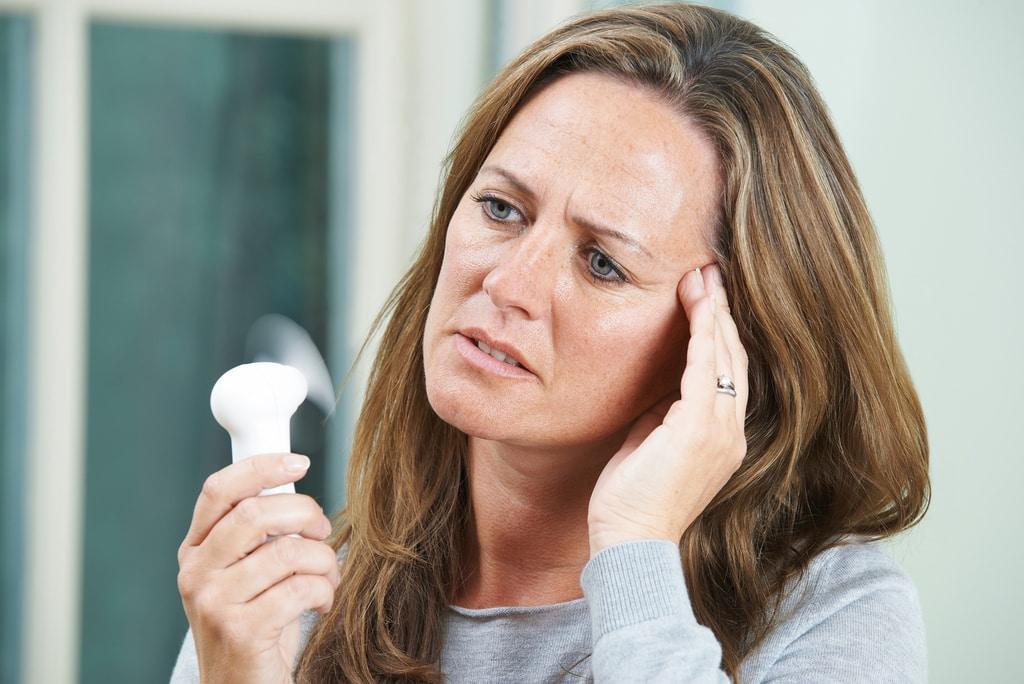
Menopause is a natural biological transition that every woman experiences, yet it is often misunderstood or overlooked in conversations about long-term health. In a fast-paced and modern healthcare environment like Dubai, awareness and access to specialized care have significantly improved, helping women manage this stage of life with confidence and support. Understanding hormonal changes during menopause is essential not only for symptom relief but also for maintaining overall physical, emotional, and mental well-being.
In this article, we will explore how menopause affects women's health, the role of hormonal shifts, available care options such as Menopause Dubai, and how facilities like Family Clinic Dubai and Cornerstone Dubai support women through this important life stage.
Understanding Menopause and Hormonal Changes
Menopause marks the end of a woman’s reproductive years, typically occurring between the ages of 45 and 55. It is officially diagnosed after 12 consecutive months without menstruation. However, the transition phase—known as perimenopause—can begin several years earlier.
During this time, the body undergoes significant hormonal changes, primarily involving a decline in estrogen and progesterone. These hormones are responsible for regulating the menstrual cycle, maintaining bone density, supporting cardiovascular health, and influencing mood stability.
When hormone levels fluctuate or decrease, the body responds in various ways, leading to both physical and emotional symptoms.
Common Symptoms of Menopause
Every woman experiences menopause differently, but several symptoms are widely reported:
Hot Flashes and Night Sweats
Sudden waves of heat, often accompanied by sweating and discomfort, are among the most recognizable symptoms. These can disrupt sleep and daily activities.
Irregular Periods
Before menstruation stops completely, cycles often become irregular in timing, duration, and flow.
Mood Changes
Hormonal imbalance can contribute to mood swings, anxiety, irritability, or even depression in some women.
Sleep Disturbances
Insomnia or poor-quality sleep is common due to night sweats or hormonal disruption.
Weight Gain and Metabolism Changes
Slower metabolism and hormonal shifts can lead to weight gain, especially around the abdominal area.
Vaginal Dryness and Discomfort
Reduced estrogen levels may affect vaginal health, leading to dryness or discomfort during intimacy.
Reduced Bone Density
Lower estrogen levels can increase the risk of osteoporosis, making bone health a key concern during and after menopause.
How Hormonal Changes Affect Women's Health
The impact of menopause goes far beyond irregular periods. Hormonal changes influence nearly every system in the body.
Cardiovascular Health
Estrogen plays a protective role in heart health. As levels decline, women may experience an increased risk of high blood pressure, cholesterol imbalance, and heart disease.
Bone Health
Bone density naturally decreases with age, but the drop in estrogen accelerates this process. This increases the risk of fractures and conditions like osteoporosis.
Mental and Emotional Well-Being
Hormones directly affect neurotransmitters in the brain. This is why many women experience mood swings, anxiety, or difficulty concentrating during menopause.
Skin and Hair Changes
Reduced estrogen can lead to drier skin, loss of elasticity, and thinning hair. These changes are gradual but noticeable over time.
Metabolic Shifts
Hormonal changes can slow metabolism, making it easier to gain weight and harder to maintain muscle mass.
Managing Menopause in Dubai’s Healthcare Environment
In Dubai, healthcare services have evolved to provide specialized support for women experiencing menopause. Clinics now focus on personalized care plans that address both physical and emotional symptoms.
Hormone Replacement Therapy (HRT)
One of the most effective treatments, HRT helps balance hormone levels and reduce symptoms such as hot flashes, mood swings, and bone loss. However, it must be prescribed after careful evaluation.
Lifestyle and Nutrition Support
Doctors often recommend dietary adjustments, regular exercise, and stress management techniques to help the body adapt naturally.
Mental Health Support
Counseling or therapy can be beneficial for managing anxiety, depression, or emotional changes during menopause.
Regular Health Screenings
Routine check-ups are essential to monitor bone density, heart health, and hormonal levels.
The Role of Menopause Care Services in Dubai
Access to specialized care such as Menopause Dubai services ensures that women receive accurate diagnosis and tailored treatment plans. These services focus on holistic health rather than just symptom management.
Clinics like Family Clinic Dubai provide comprehensive women's health services, including preventive care, hormonal assessments, and long-term wellness planning. Similarly, Cornerstone Dubai is known for its patient-centered approach, offering support for women at every stage of hormonal transition.
The goal is not only to treat symptoms but to improve quality of life and long-term health outcomes.
Lifestyle Tips for Managing Menopause Symptoms
While medical treatment is important, daily habits also play a major role in managing menopause effectively.
Maintain a Balanced Diet
Focus on calcium-rich foods, lean proteins, fruits, and vegetables. Avoid excessive sugar, caffeine, and processed foods.
Stay Physically Active
Regular exercise helps maintain bone density, supports heart health, and improves mood.
Manage Stress
Techniques such as yoga, meditation, and deep breathing can reduce anxiety and improve emotional stability.
Prioritize Sleep
Creating a consistent sleep routine and avoiding screen time before bed can improve sleep quality.
Stay Hydrated
Proper hydration supports skin health and helps regulate body temperature.
Emotional Impact and Support Systems
Menopause is not just a physical transition—it is also an emotional one. Many women experience a shift in identity, confidence, or emotional stability during this phase.
Support from family, friends, and healthcare providers is essential. Open conversations about menopause help reduce stigma and encourage women to seek help when needed.
In cities like Dubai, awareness campaigns and women’s health initiatives are helping normalize discussions around menopause and encourage proactive care.
When to Seek Medical Advice
Although menopause is natural, certain symptoms should not be ignored:
- Severe mood changes or depression
- Heavy or prolonged bleeding
- Extreme fatigue or dizziness
- Significant bone pain or fractures
- Persistent sleep disorders
Consulting a healthcare professional ensures that any underlying conditions are addressed early.
Conclusion
Menopause is a significant life transition shaped by complex hormonal changes that affect nearly every aspect of a woman’s health. While symptoms can be challenging, they are manageable with the right combination of medical care, lifestyle adjustments, and emotional support.
In Dubai, access to specialized services such as Menopause Dubai, along with trusted healthcare providers like Family Clinic Dubai and Cornerstone Dubai, ensures that women receive comprehensive and compassionate care during this stage of life.
With proper guidance, menopause does not have to be a period of discomfort—it can be a phase of renewed awareness, balance, and long-term well-being.
FAQs
What is the average age of menopause in women?
Most women experience menopause between the ages of 45 and 55, although it can vary depending on genetics and health factors.
Can menopause symptoms be treated?
Yes, symptoms can be managed through hormone therapy, lifestyle changes, and medical support tailored to individual needs.
Is weight gain common during menopause?
Yes, hormonal changes often slow metabolism, making weight gain more likely, especially around the abdomen.
How long does menopause last?
The transition phase (perimenopause) can last several years, while post-menopause symptoms may continue but usually become less intense over time.
When should I see a doctor for menopause symptoms?
You should seek medical advice if symptoms significantly affect your daily life or if you experience severe physical or emotional changes.

 English
 Arabic
 French
 Spanish
 Portuguese
 Turkish
 Dutch
Dutch
 Italiano
 Russian
 Romaian
 Portuguese (Brazil)
 Greek
Greek