
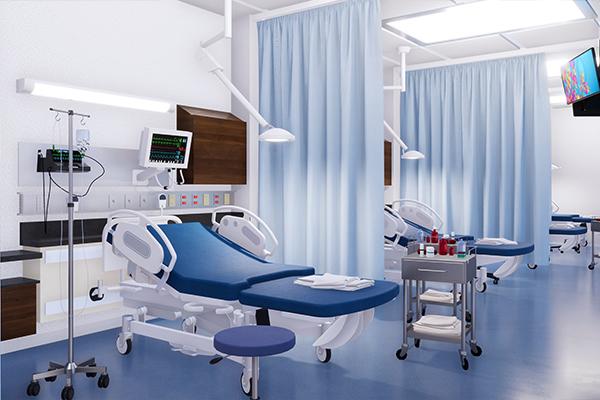
Understanding the Importance of Hospital Furniture
Hospital furniture is more than just functional equipment—it plays a critical role in patient comfort, staff efficiency, and overall healthcare quality. From hospital beds and bedside tables to medical chairs and storage cabinets, every piece of furniture contributes to the smooth operation of healthcare facilities. Well-designed furniture supports medical procedures, enhances hygiene, and ensures safety for both patients and medical staff.
In modern hospitals, furniture is designed to meet international standards, combining durability, ergonomics, and aesthetics. Healthcare providers understand that investing in high-quality furniture is essential for delivering superior patient care and maintaining operational efficiency.
Types of Hospital Furniture and Their Functions
Hospitals require a wide variety of furniture to serve different purposes. Hospital beds are the most critical, offering adjustable features to aid in patient positioning, mobility, and comfort. Electric and manual beds allow nurses and caregivers to provide better care while reducing physical strain.
Other essential furniture includes bedside tables, overbed tables, and storage units for personal and medical items. These items help maintain organization and ensure that necessary supplies are always within reach.
Specialized furniture, such as examination chairs, operating tables, and ICU beds, is designed to meet specific medical needs. Properly designed medical furniture ensures that healthcare procedures are carried out safely and efficiently.
How Ergonomics Enhances Healthcare Performance
Ergonomics is a key consideration in hospital furniture design. Comfortable seating for patients and staff reduces physical stress and supports proper posture, minimizing fatigue during long hours of care. Adjustable beds, chairs, and workstations allow staff to perform their duties effectively without risking musculoskeletal injuries.
For patients, ergonomic furniture improves comfort and recovery. Features like padded surfaces, adjustable heights, and supportive designs enhance mobility and reduce the risk of bedsores or injuries during treatment. Ergonomics also contributes to a better hospital environment by promoting a sense of well-being and professionalism.
Materials and Durability in Hospital Furniture
Hospital furniture must withstand constant use, frequent cleaning, and exposure to disinfectants. Manufacturers use high-quality materials such as stainless steel, powder-coated metal, and durable polymers to ensure long-lasting performance.
Hygiene is a top priority in healthcare settings. Materials that resist corrosion, stains, and microbial growth are preferred. Smooth surfaces that are easy to clean reduce infection risks and comply with medical safety standards. The durability of hospital furniture ensures that hospitals maintain their functionality and appearance over time, even with heavy daily use.
How Design Influences Patient Satisfaction
The design of hospital furniture affects the overall patient experience. Comfortable seating in waiting areas, aesthetically pleasing interiors, and functional layouts contribute to a positive impression of healthcare facilities.
Furniture designed with accessibility in mind ensures that patients with mobility challenges can move safely and independently. Adjustable beds and chairs, as well as strategically placed handrails and supports, enhance patient confidence and comfort. Hospitals that invest in thoughtful furniture design demonstrate a commitment to patient-centered care.
Customization Options for Healthcare Facilities
Hospitals and clinics often require customized furniture to meet specific needs. Manufacturers provide options for adjustable bed sizes, specialized medical trolleys, and modular storage units. Custom solutions allow healthcare facilities to optimize space, improve workflow, and accommodate unique medical equipment.
Customization also extends to aesthetics and branding. Hospitals can choose colors, finishes, and designs that reflect their institutional identity while maintaining compliance with medical standards. Tailored solutions ensure that each facility has furniture suited to its operational requirements and patient demographics.
The Role of Hospital Furniture in Infection Control
Infection control is a critical aspect of modern healthcare. Properly designed hospital furniture reduces the risk of cross-contamination and supports effective hygiene practices. Non-porous materials, smooth surfaces, and easy-to-clean designs allow staff to maintain a sterile environment.
Beds, chairs, and trolleys that incorporate antimicrobial coatings further reduce infection risks. Furniture placement also contributes to infection prevention by allowing for adequate spacing between patients and ensuring unobstructed movement of medical staff. Investing in hygiene-focused furniture supports patient safety and overall healthcare quality.
How Hospital Furniture Improves Staff Efficiency
Efficient hospital furniture design enhances staff productivity. Adjustable beds and mobile workstations allow nurses and doctors to provide care with minimal physical effort. Storage solutions that organize medical supplies reduce time spent searching for equipment.
Ergonomic chairs and support systems prevent fatigue during long shifts, enabling staff to focus on patient care. Well-planned furniture layouts optimize workflow, minimize errors, and create a safer environment for both staff and patients.
Cost Considerations When Choosing Hospital Furniture
While quality hospital furniture is an investment, it provides long-term benefits in durability, patient satisfaction, and operational efficiency. Healthcare facilities must balance budget constraints with the need for reliable and functional furniture.
Purchasing from reputable manufacturers ensures compliance with medical standards and reduces maintenance costs. Investing in high-quality materials, ergonomic designs, and modular systems provides better value over time, reducing the need for frequent replacements.
How Technology Is Shaping Modern Hospital Furniture
The integration of technology in hospital furniture has revolutionized patient care. Electric beds with automated controls, monitoring systems, and remote adjustment features enhance comfort and efficiency. Some furniture incorporates smart sensors to track patient movements or vital signs, assisting medical staff in providing timely care.
Technological advancements also extend to mobile trolleys and modular storage units, allowing for real-time inventory management and improved workflow. Modern hospital furniture combines innovation with practical design to meet the evolving needs of healthcare facilities.
Future Trends in Hospital Furniture
The demand for modern, ergonomic, and technology-integrated furniture is expected to grow in Pakistan’s healthcare sector. Hospitals are increasingly focusing on patient-centered designs that enhance comfort, safety, and operational efficiency.
Sustainable materials and eco-friendly designs are becoming more important, reflecting global trends in healthcare. Manufacturers are developing modular and adaptable furniture that can be upgraded as technology advances or facility needs change.
Conclusion: Investing in Hospital Furniture for Better Healthcare Outcomes
Hospital furniture is a vital component of healthcare infrastructure. It affects patient comfort, staff efficiency, infection control, and overall operational performance. Choosing high-quality, ergonomic, and durable furniture ensures that healthcare facilities deliver effective care while maintaining a safe and professional environment.
By investing in modern hospital furniture, healthcare providers in Pakistan can improve patient satisfaction, optimize workflow, and future-proof their facilities. Whether for hospitals, clinics, or specialized medical centers, thoughtfully designed furniture is an essential element of a well-functioning healthcare system.

 English
 Arabic
 French
 Spanish
 Portuguese
 Turkish
 Dutch
Dutch
 Italiano
 Russian
 Romaian
 Portuguese (Brazil)
 Greek
Greek