
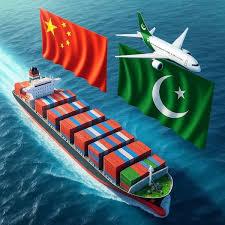
Air cargo from China to Pakistan has become one of the most efficient logistics options for businesses that value speed, reliability, and supply chain consistency. As bilateral trade between the two countries continues to grow, air freight plays a critical role in supporting industries that depend on timely deliveries, high-value goods, and urgent commercial shipments. From electronics and machinery to pharmaceuticals and fashion products, air cargo ensures that goods move quickly across borders with minimal disruption.
Growing Demand for China–Pakistan Air Cargo Services
The demand for air cargo services between China and Pakistan has increased significantly over the past decade. China is one of Pakistan’s largest trading partners, supplying raw materials, industrial equipment, consumer electronics, and finished goods. Pakistani importers often rely on air freight when shipment timelines are tight or when products are too valuable or sensitive for slower transport modes. Compared to sea freight, air cargo dramatically reduces transit time, allowing businesses to respond quickly to market demand and avoid costly stock shortages.
Another key factor driving demand is the expansion of e-commerce and just-in-time manufacturing. Many Pakistani businesses now operate on lean inventory models, making fast and predictable shipping essential. Air cargo supports these models by providing consistent schedules and shorter lead times.
How Air Cargo from China to Pakistan Works
The air cargo process begins with cargo collection from the supplier or factory in China. Goods are then transported to the nearest international airport, where they undergo export customs clearance and security checks. Once cleared, shipments are loaded onto cargo or passenger aircraft bound for Pakistan. Upon arrival, the cargo is unloaded, processed through Pakistani customs, and delivered to the consignee’s warehouse or final destination.
Professional freight forwarders manage documentation, customs coordination, and flight scheduling to ensure smooth transit. Accurate paperwork, including commercial invoices, packing lists, and airway bills, is essential to prevent delays. When handled correctly, air cargo shipments can move from China to Pakistan within just a few days.
Benefits of Choosing Air Cargo for China–Pakistan Trade
One of the biggest advantages of air cargo is speed. While sea freight can take several weeks, air cargo typically delivers goods within three to seven days, depending on flight availability and customs procedures. This makes it ideal for urgent shipments, seasonal products, and emergency restocking.
Reliability is another major benefit. Airlines operate on fixed schedules, reducing the risk of unexpected delays. Air cargo also offers enhanced security, which is especially important for high-value goods such as electronics, medical equipment, and branded products. Reduced handling time means less risk of damage or loss during transit.
Cost Considerations and Pricing Factors
Although air cargo is more expensive than sea freight, many businesses find the cost justified by the benefits. Pricing for air cargo from China to Pakistan is usually calculated based on chargeable weight, which considers both actual weight and volumetric weight. Factors such as fuel surcharges, peak season demand, cargo type, and urgency also influence rates.
For businesses importing high-value or time-sensitive goods, the higher upfront cost of air freight can be offset by reduced inventory holding costs, fewer delays, and faster time-to-market. Choosing the right freight forwarder can also help optimize costs through consolidated shipments and efficient routing.
Types of Goods Commonly Shipped by Air
Air cargo from China to Pakistan is widely used for electronics, mobile phones, computer parts, and electrical components. The pharmaceutical and healthcare sectors also rely heavily on air freight for medicines, vaccines, and medical devices that require controlled handling and quick delivery. Fashion items, samples, spare parts, and perishable goods are other common categories that benefit from air transport due to their time-sensitive nature.
Certain dangerous goods and specialized cargo can also be shipped by air, provided they comply with international aviation regulations and packaging standards. Experienced logistics providers ensure compliance with these rules to avoid penalties or shipment rejections.
Customs Clearance and Regulatory Compliance
Customs clearance is a crucial step in air cargo transportation. Both Chinese export regulations and Pakistani import laws must be followed carefully. Any discrepancies in documentation can lead to delays, fines, or additional inspections. Working with knowledgeable customs agents helps ensure that duties, taxes, and regulatory requirements are handled efficiently.
Pre-clearance preparation, accurate HS codes, and transparent declarations all contribute to faster release of cargo upon arrival. Businesses that import regularly often benefit from establishing long-term relationships with reliable freight forwarders and customs brokers.
Choosing the Right Air Cargo Partner
Selecting the right logistics partner is essential for successful air cargo shipments. A professional freight forwarder with experience in China–Pakistan trade lanes can provide end-to-end solutions, from pickup and packaging to customs clearance and final delivery. Transparent pricing, real-time tracking, and responsive customer support are key qualities to look for.
A strong logistics partner also helps businesses plan shipments strategically, advising on the best routes, airlines, and timing to avoid peak congestion and unnecessary costs.
Future Outlook of Air Cargo Between China and Pakistan
The future of air cargo from China to Pakistan looks promising. Continued economic cooperation, infrastructure development, and increasing trade volumes are expected to further strengthen air freight connectivity. As businesses prioritize speed and flexibility in their supply chains, air cargo will remain a vital component of bilateral trade.
In conclusion, air cargo from China to Pakistan offers a powerful logistics solution for businesses that need fast, secure, and dependable transportation. While it may involve higher costs, the benefits of speed, reliability, and reduced risk make air freight an excellent choice for many importers seeking a competitive edge in today’s dynamic market.

 English
 Arabic
 French
 Spanish
 Portuguese
 Deutsch
 Turkish
 Italiano
 Russian
 Romaian
 Portuguese (Brazil)
 Greek
Greek