
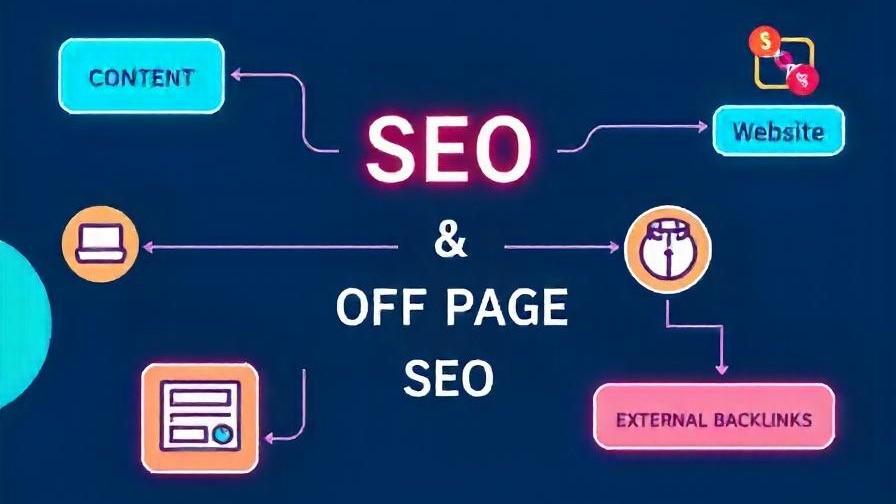
Explore Why On-Page SEO Matters More Than Backlinks for New Websites
Launching a new website can be both exciting and daunting. As someone who has worked with multiple startups and fledgling businesses, I have seen firsthand how challenging it can be to gain visibility online. Many website owners often focus almost exclusively on building backlinks, assuming that acquiring external links is the fastest way to climb search rankings. While backlinks are undeniably important for established websites, new sites face a unique set of challenges where on-page SEO often plays a more crucial role. Understanding why on-page SEO matters more than backlinks for new websites can save time, effort, and resources while laying a strong foundation for sustainable growth.
Understanding On-Page SEO and Its Importance
On-page SEO refers to all the optimization efforts you make directly on your website to improve its search engine visibility. This includes elements like meta titles, meta descriptions, headings, URL structure, internal linking, content quality, page speed, mobile responsiveness, and user experience. Essentially, on-page SEO ensures that search engines can understand, index, and rank your content effectively. For new websites, these factors are often the first signals search engines evaluate to determine relevance and quality.
Search engines, especially Google, use complex algorithms to assess a website's quality. They analyze everything from content structure to keyword usage, internal linking, and technical aspects. For a website with few or no backlinks, strong on-page SEO is the primary method for establishing credibility and relevance. Without proper on-page optimization, even the best backlinks may fail to generate significant traffic, as search engines may struggle to interpret what the website is about or whether it provides value to users.
Why New Websites Struggle with Backlinks
Backlinks are essentially endorsements from other websites. They signal authority, trust, and popularity. However, new websites face significant challenges when it comes to acquiring high-quality backlinks. Many established websites are hesitant to link to new sites due to a lack of proven authority or content history. Additionally, building backlinks often requires outreach, partnerships, or content marketing campaigns that can take months or even years to yield results. For startups and small businesses operating on limited budgets, this process can be slow and resource-intensive.
Furthermore, not all backlinks carry equal weight. Low-quality or spammy links can harm a website’s reputation and may even trigger algorithmic penalties, which is a concern highlighted by many Top Digital Marketing Company in USA. This adds risk for new websites that prioritize link building too early. Relying solely on backlinks without a strong on-page SEO foundation can lead to wasted effort and minimal ranking improvements.
How On-Page SEO Gives New Websites an Advantage
Clear Structure and Navigation
A well-structured website with clear navigation allows both users and search engines to understand the hierarchy and relationships between pages. For example, using proper H1, H2, and H3 headings not only makes content more readable but also signals to search engines what each section of your page is about. Internal linking further reinforces this structure, distributing authority across pages and helping search engines discover new content efficiently. For new websites, establishing a clear internal structure is vital to ensure that every page can be indexed and ranked correctly, even in the absence of external links.
Optimized Content for Search Intent
Content is at the heart of on-page SEO. When creating content for a new website, it is essential to focus on user intent. Search engines aim to provide the most relevant answers to user queries, so pages that satisfy user intent are more likely to rank. This means writing in-depth, informative content that addresses specific questions, solves problems, and provides actionable insights. Proper use of keywords, natural language, and semantic variations further helps search engines understand the topic and relevance of your content. New websites that invest in high-quality content often see faster indexing and ranking improvements compared to those focusing solely on backlinks.
Technical SEO: The Silent Ranking Booster
Technical on-page SEO encompasses elements like page speed, mobile responsiveness, structured data, HTTPS security, and canonical tags. These factors influence how search engines crawl and index your website. For new websites, technical optimization can be a decisive factor in ranking performance. Fast-loading, mobile-friendly websites not only improve user experience but also send positive signals to search engines, increasing the likelihood of higher visibility even without backlinks. Neglecting technical SEO can result in crawling errors, poor indexing, and ultimately, limited organic growth.
Meta Tags and Snippets
Meta titles and descriptions are crucial for attracting clicks from search engine results pages. They help users understand what your page is about and can influence your click-through rate (CTR), which indirectly impacts rankings. New websites often underestimate the importance of these elements. By crafting compelling, keyword-optimized meta tags, new websites can improve visibility and attract traffic, providing search engines with engagement signals that help establish relevance and authority faster than backlinks alone.
User Experience and Engagement
Search engines are increasingly valuing user engagement metrics, such as time on page, bounce rate, and scroll depth. On-page SEO improvements like clear layouts, readable fonts, intuitive navigation, and relevant multimedia can enhance user experience. For a new website, positive user engagement signals demonstrate value to search engines, which can compensate for a lack of backlinks. Engaged users are also more likely to share content naturally, creating organic backlink opportunities over time without the need for aggressive link-building campaigns.
Transitioning to Backlinks Later
While on-page SEO is critical for new websites, backlinks should not be ignored entirely. A strong on-page foundation ensures that search engines can understand and evaluate your content effectively, making any future link-building efforts far more impactful. Without proper on-page optimization, even high-quality backlinks may not yield significant ranking improvements.
Well-structured, informative, and technically sound content is more likely to attract links from authoritative sources naturally. Essentially, on-page SEO acts as the groundwork, ensuring that backlinks acquired later contribute positively to rankings, domain authority, and long-term organic growth.
Personal Insights from Experience
From my experience working with startups and new websites, those that prioritize on-page SEO first tend to achieve sustainable growth much faster. Websites that focus solely on building backlinks without proper optimization often struggle to rank and see slow progress in organic visibility.
In contrast, sites that invest in structured content, technical SEO, and user experience often experience measurable improvements within weeks. This strategy also reduces the risk of algorithmic penalties, as search engines reward clarity, well-organized content, and user-focused design over aggressive backlink acquisition.
Conclusion
For new websites, on-page SEO is far more than just a set of technical tweaks—it is the foundation upon which search visibility, credibility, and authority are built. While backlinks remain an important ranking factor, they are most effective when combined with strong on-page SEO. By focusing on content quality, technical optimization, internal linking, and user engagement, new websites can achieve faster indexing, better rankings, and sustainable long-term growth. Prioritizing on-page SEO not only helps search engines understand your site but also provides a superior experience for your users, ultimately increasing the likelihood of natural backlinks in the future.
Frequently Asked Questions (FAQs)
What is on-page SEO, and why is it important for new websites?
On-page SEO refers to all the optimization efforts made directly on your website, including meta tags, headings, content, internal linking, and technical aspects like page speed and mobile responsiveness. For new websites, it is critical because search engines rely on these signals to understand content relevance, structure, and quality. Strong on-page SEO ensures that even in the absence of backlinks, your site can be indexed and ranked appropriately, attracting organic traffic while laying the groundwork for future link-building efforts.
Can new websites rank without backlinks if on-page SEO is strong?
Yes, new websites can achieve initial visibility without backlinks by focusing on well-structured, high-quality content and technical optimization. Search engines evaluate user experience, content relevance, keyword usage, and internal linking when determining rankings. While backlinks provide authority and trust signals, a site with strong on-page SEO can still rank for less competitive keywords and gradually build organic traffic, making it easier to earn backlinks naturally over time.
How does technical on-page SEO affect search rankings?
Technical on-page SEO includes factors such as page speed, mobile responsiveness, HTTPS security, canonical URLs, and structured data. These elements ensure that search engines can crawl, index, and understand your website efficiently. For new websites, proper technical SEO improves user experience and prevents indexing issues, which can hinder visibility. Additionally, search engines reward websites that load quickly and provide seamless navigation, which can lead to higher rankings even before significant backlink acquisition occurs.
How do meta titles and descriptions impact new website SEO?
Meta titles and descriptions provide search engines and users with a concise summary of a page’s content. Optimized titles and descriptions improve click-through rates from search results, signaling to search engines that the content is valuable and relevant. For new websites, compelling meta tags help establish relevance, attract early traffic, and create engagement signals that can positively influence rankings, making them an essential component of on-page SEO strategy.
When should new websites start building backlinks?
New websites should prioritize on-page SEO first, ensuring content quality, technical optimization, and user experience are solid. Once the website has a clear structure, high-quality content, and a foundation for engagement, backlink-building efforts can begin. At this stage, content is more likely to attract authoritative links naturally, and backlinks will amplify the site’s search performance rather than compensating for weak on-page SEO. This phased approach reduces risk and maximizes long-term SEO success.
How long does it take for on-page SEO to show results for new websites?
On-page SEO improvements can begin showing measurable results within a few weeks to a couple of months, depending on factors such as content quality, keyword competitiveness, and site structure. Unlike backlinks, which may take months to influence rankings, on-page optimizations like meta tags, headings, and internal links help search engines quickly understand your site, improving indexing speed and early visibility.
Can too many keywords on a new website hurt SEO?
Yes, overusing keywords, known as keyword stuffing, can negatively impact SEO. Search engines prioritize content readability, relevance, and user experience. For new websites, focusing on natural, contextually relevant keyword placement improves content quality, helps search engines understand the topic, and encourages better user engagement, ultimately boosting rankings without relying on excessive backlinks.
How does internal linking support on-page SEO for new sites?
Internal linking distributes authority across pages and helps search engines understand your site structure. For new websites, linking related pages and cluster content ensures that search engines can crawl and index every important page efficiently. Well-planned internal links also guide users through relevant content, increasing engagement metrics like session duration and page views, which indirectly enhance rankings even before significant backlinks are acquired.
Should new websites focus on content length or content quality for on-page SEO?
While longer content can provide more detail, content quality is more important for on-page SEO. Search engines prioritise well-researched, informative, and user-focused content over word count alone. For new websites, concise, clear, and authoritative content that satisfies user intent, includes proper headings, keywords, and multimedia elements, will perform better than longer but poorly structured pages in terms of indexing and early search visibility.

 Arabic
 French
 Spanish
 Portuguese
 Deutsch
 Turkish
 Dutch
Dutch
 Italiano
 Russian
 Romaian
 Portuguese (Brazil)
 Greek
Greek