
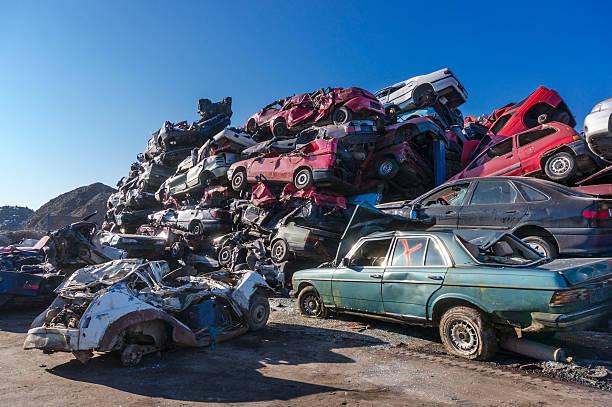
If you have an old, damaged, or non-running car sitting at home, you are likely wondering what to do with it. Car wrecking services remove unwanted vehicles, recycle usable parts, and pay cash based on metal and parts value. This guide explains how car wrecking works in Australia, what you receive, and how to avoid common mistakes.
Many Australians keep unused vehicles parked for months or even years. According to the Australian Bureau of Statistics (ABS), over 20 million registered motor vehicles are on Australian roads, and thousands reach end-of-life each year. Instead of letting a vehicle rust, car wrecking provides a structured and environmentally responsible solution.
Let’s start by understanding what car wrecking actually means.
What Is A Car Wrecking Service?
A car wrecking service dismantles old, damaged, or scrap vehicles to recover reusable parts and recycle metal materials. These businesses purchase vehicles in any condition and process them safely under Australian environmental regulations.
Car wreckers remove working components such as engines, transmissions, alternators, radiators, and ABS (Anti-lock Braking System) modules. After removing usable parts, they crush and recycle the remaining metal shell.
This process reduces landfill waste and supports the automotive recycling industry. Now that you understand the definition, it is important to know how the process works step by step.
How Car Wrecking Works In Australia
Car wrecking follows a structured 6-step process that ensures safety, legal compliance, and proper recycling.
1. Vehicle Assessment
The wrecker collects details such as make, model, year, condition, and location. For example, a 2012 Toyota Hilux with engine damage has different value than a 2005 sedan with accident damage.
2. Price Quote
The company calculates value based on:
-
Current scrap metal rates in Australia
-
Demand for spare parts
-
Vehicle weight (measured in kilograms)
3. Free Vehicle Collection
Most licensed wreckers offer free towing across metro and regional areas. This applies to services similar to cars for cash Sunshine Coast, where collection remains part of the standard removal process rather than an extra fee.
4. Paperwork And Ownership Transfer
You provide proof of identity and vehicle ownership. The wrecker issues a receipt and handles disposal documentation according to state laws.
5. Dismantling
Fluids such as oil, coolant, and brake fluid are safely drained. Usable parts are tested and stored.
6. Metal Recycling
The remaining shell is crushed and sent to metal recycling facilities.
This process usually takes 24 to 48 hours from booking to removal. Now let’s examine why Australians choose car wrecking over private selling.
Why Car Wrecking Is Better Than Selling Privately
Car wrecking offers speed, certainty, and convenience compared to private sales. Selling a damaged or non-running car privately often involves weeks of waiting and repeated inspections.
Here is a clear comparison:
| Factor | Private Sale | Car Wrecking Service |
|---|---|---|
| Time Required | 2–6 weeks | 24–48 hours |
| Roadworthy Certificate | Required in most states | Not required |
| Advertising Costs | $50–$200 | $0 |
| Towing Cost | Owner pays | Usually free |
| Payment | Negotiated | Agreed upfront |
Private buyers usually avoid cars with engine damage, accident history, or expired registration. Wreckers purchase vehicles in all conditions.
Before choosing a company, it is important to understand what determines the price you receive.
What Determines The Value Of Your Car
Car wreckers calculate value using measurable factors, not guesswork. Four main elements influence the final price.
1. Vehicle Weight
Heavier vehicles contain more steel and aluminium. A 4WD weighing 2,200 kg typically generates more scrap value than a 1,200 kg hatchback.
2. Make And Model
Popular Australian models such as Toyota, Mazda, and Ford have higher spare parts demand.
3. Condition Of Major Components
Working engines, gearboxes, catalytic converters, and electronic systems increase resale potential.
4. Current Scrap Metal Prices
Scrap metal rates fluctuate monthly depending on global demand.
In Queensland and surrounding regions, services offering unwanted car removal Brisbane operate under similar valuation standards based on metal weight and reusable parts.
Understanding pricing helps you avoid unrealistic expectations. Next, let’s look at the environmental impact.
Environmental Benefits Of Car Wrecking
Car wrecking reduces landfill waste and conserves raw materials. In Australia, automotive recyclers recover up to 90% of a vehicle’s materials.
The environmental benefits include:
-
Reusing functional parts reduces new manufacturing demand.
-
Recycling steel saves significant energy compared to producing new steel from iron ore.
-
Proper fluid disposal prevents soil and groundwater contamination.
According to sustainability data from Australian recycling bodies, metal recycling reduces energy consumption by up to 75% compared to raw material extraction.
Car wrecking is not only about clearing space; it supports responsible waste management. That leads us to an important question: how do you choose the right service?
How To Choose A Reliable Car Wrecker
A reliable car wrecker operates legally, communicates clearly, and follows environmental standards.
Look for these 5 signs:
-
Licensed and registered business in your state.
-
Clear written quote before pickup.
-
No hidden towing charges.
-
Proper documentation and receipt.
-
Transparent explanation of valuation.
Industry observers often note that established operators like A1 Wreckers maintain structured dismantling procedures and clear communication, which reduces disputes during collection. Third-party reviews frequently highlight professionalism and compliance with local regulations rather than aggressive pricing tactics.
Choosing an experienced operator protects you from payment delays and incomplete paperwork. Once you select a company, preparation becomes simple.
How To Prepare Your Car For Wrecking
Preparing your vehicle ensures smooth removal. Follow these 6 steps:
-
Remove personal belongings from the glove box, boot, and under seats.
-
Remove registration plates if required by your state.
-
Cancel registration with your state transport authority if applicable.
-
Gather ownership documents.
-
Remove toll tags.
-
Inform your insurer to cancel coverage.
These steps take less than 30 minutes but prevent future issues.
Now let’s address common misunderstandings.
Common Myths About Car Wrecking
Many people avoid wrecking services due to incorrect assumptions.
Myth 1: Wreckers only buy completely damaged cars.
Reality: Wreckers buy running and non-running vehicles.
Myth 2: You receive very little money.
Reality: Value depends on weight, parts demand, and market rates.
Myth 3: The process takes weeks.
Reality: Most removals occur within 1–2 days.
Myth 4: Paperwork is complicated.
Reality: Licensed wreckers manage disposal documentation.
Understanding the facts helps you make a confident decision.
Frequently Asked Questions
How long does the car wrecking process take?
Most services complete collection and payment within 24 to 48 hours after booking.
Do I need a roadworthy certificate?
No. Wreckers purchase vehicles without roadworthy certification.
Can I sell a car without registration?
Yes. Registration status does not prevent wrecking.
Is payment made before or after pickup?
Payment is made at the time of vehicle collection.
What happens to usable parts?
Reusable components are tested, cleaned, and resold to workshops and vehicle owners.
Conclusion
Car wrecking services provide a structured, environmentally responsible, and time-efficient way to dispose of unwanted vehicles in Australia. The process includes assessment, valuation, free collection, dismantling, and recycling. Understanding pricing factors and choosing a licensed operator ensures a smooth experience.
Clearing an unused vehicle not only frees space but also supports responsible metal recycling and parts reuse across the country.
Explore detailed vehicle disposal insights in our latest automotive articles.

 English
 Arabic
 French
 Spanish
 Portuguese
 Deutsch
 Turkish
 Dutch
Dutch
 Italiano
 Russian
 Romaian
 Greek
Greek