
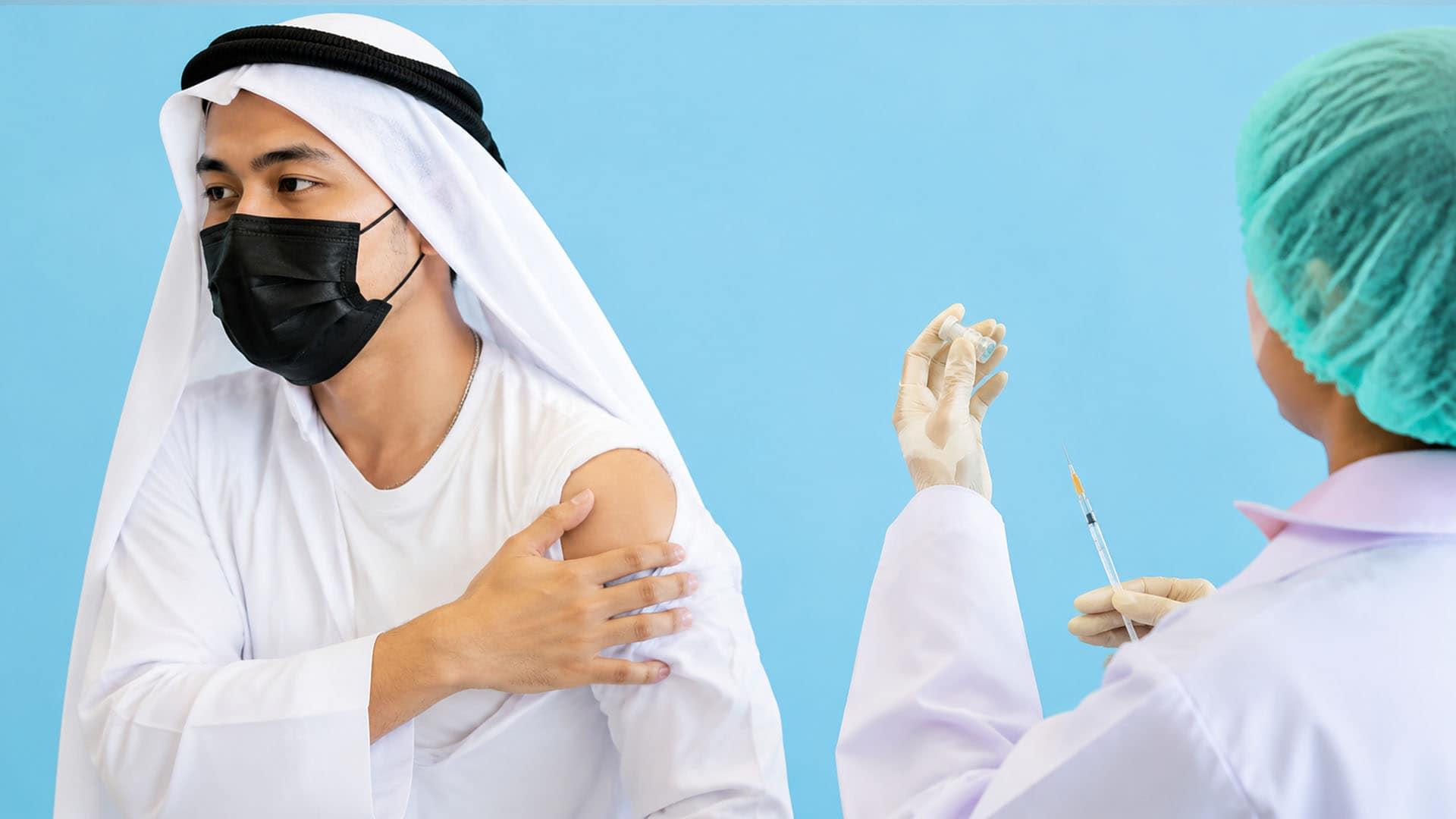
Preparing for Hajj is a deeply meaningful journey. Alongside your visa, flights, and accommodation, your health preparation is just as important. Saudi Arabia has strict vaccination rules for pilgrims to prevent the spread of infectious diseases during one of the world’s largest gatherings.
Many UK travellers ask the same question: when is the right time to get Hajj vaccinations? Planning your vaccines at the correct time helps you avoid visa delays, last-minute stress, and health risks during your pilgrimage. Clinics providing hajj and umrah vaccinations in Leeds and a trusted travel vaccine clinic birmingham can guide you through this timeline smoothly.
Why Timing of Hajj Vaccinations Matters
Hajj brings millions of people into very close contact in Makkah, Mina, Arafat, and Muzdalifah. In crowded environments, infections spread easily through coughing, sneezing, shared spaces, and physical contact.
Some vaccines need time to become effective in your body. Others require multiple doses over several weeks. This is why you cannot leave vaccinations until a few days before travel.
Correct timing ensures:
-
Full protection before departure
-
Compliance with Saudi visa rules
-
Enough time for additional recommended vaccines
The Most Important Requirement: Meningococcal disease (MenACWY)
The MenACWY vaccine is mandatory for all Hajj pilgrims.
Saudi authorities require proof that you received this vaccine:
-
At least 10 days before arrival
-
Within the last 5 years
If you took this vaccine more than five years ago, you must take it again.
Because this vaccine is essential for your visa, you should plan to receive it no later than 2–3 weeks before travel to stay on the safe side.
Ideal Timeline: 8 Weeks Before Travel
Health experts recommend visiting a clinic 6 to 8 weeks before your Hajj departure.
At this stage, clinics offering hajj and umrah vaccinations in Leeds or a professional travel vaccine clinic birmingham will:
-
Check your vaccination history
-
Plan required and recommended vaccines
-
Start any multi-dose courses if needed
This early visit gives you peace of mind and enough time to complete everything properly.
6 Weeks Before Travel: Start Recommended Vaccines
Around 6 weeks before travel is the best time to begin optional but highly recommended vaccines such as:
-
Hepatitis A
-
Hepatitis B
-
Influenza
Some of these vaccines require more than one dose spread across weeks. Starting early ensures full protection before you reach Saudi Arabia.
4 Weeks Before Travel: Review and Boosters
At this stage, your clinic may check if you need boosters for routine UK vaccines such as:
-
Tetanus
-
Diphtheria
-
Polio
These diseases can spread in crowded conditions, especially if you get minor cuts, cough infections, or come into contact with contaminated surfaces.
2–3 Weeks Before Travel: MenACWY and Certification
This is the most critical period for the mandatory vaccine.
You must receive your MenACWY jab and obtain:
-
Official signed and stamped certificate
-
Vaccine batch details and date
Clinics providing hajj and umrah vaccinations in Leeds and a reliable travel vaccine clinic birmingham are experienced in issuing the correct documentation required for your Hajj visa.
10 Days Before Travel: Minimum Legal Requirement
Saudi rules clearly state that the MenACWY vaccine must be taken at least 10 days before arrival.
If you miss this window:
-
Your visa process may be delayed
-
You may face problems at the airport
-
You could be vaccinated on arrival, causing delays and discomfort
This is why leaving vaccines to the last week is risky.
What If You Booked Hajj at the Last Minute?
If your travel is soon and you have not been vaccinated yet:
-
Book an urgent appointment at a travel vaccine clinic birmingham
-
Inform them of your travel date
-
Prioritise the MenACWY vaccine immediately
Even in urgent cases, professionals can guide you to meet the minimum requirement.
Special Advice for Elderly and Vulnerable Pilgrims
Elderly pilgrims and those with medical conditions should be even more careful with timing.
Early vaccination allows:
-
Monitoring for side effects
-
Better immune response
-
Extra medical advice before travel
This is especially important because Hajj involves physical effort in hot weather.
Keep Your Vaccination Records Safe
After receiving your vaccines:
-
Keep the certificate with your passport
-
Take a clear photo on your phone
-
Carry copies in your luggage
These documents may be checked during visa processing and on arrival in Saudi Arabia.
Final Thoughts
The best time to prepare for Hajj vaccinations is 6 to 8 weeks before travel. This allows you to complete all required and recommended vaccines without stress.
The MenACWY vaccine for Meningococcal disease must be taken at least 10 days before arrival, but earlier is always safer.
By visiting clinics that specialise in hajj and umrah vaccinations in Leeds or booking early with a trusted travel vaccine clinic birmingham, you can ensure your health preparation is smooth and fully compliant with Saudi regulations.
Proper timing means you can focus on your worship, knowing you are protected and ready for this once-in-a-lifetime journey.

 English
 Arabic
 French
 Portuguese
 Deutsch
 Turkish
 Dutch
Dutch
 Italiano
 Russian
 Romaian
 Portuguese (Brazil)
 Greek
Greek