
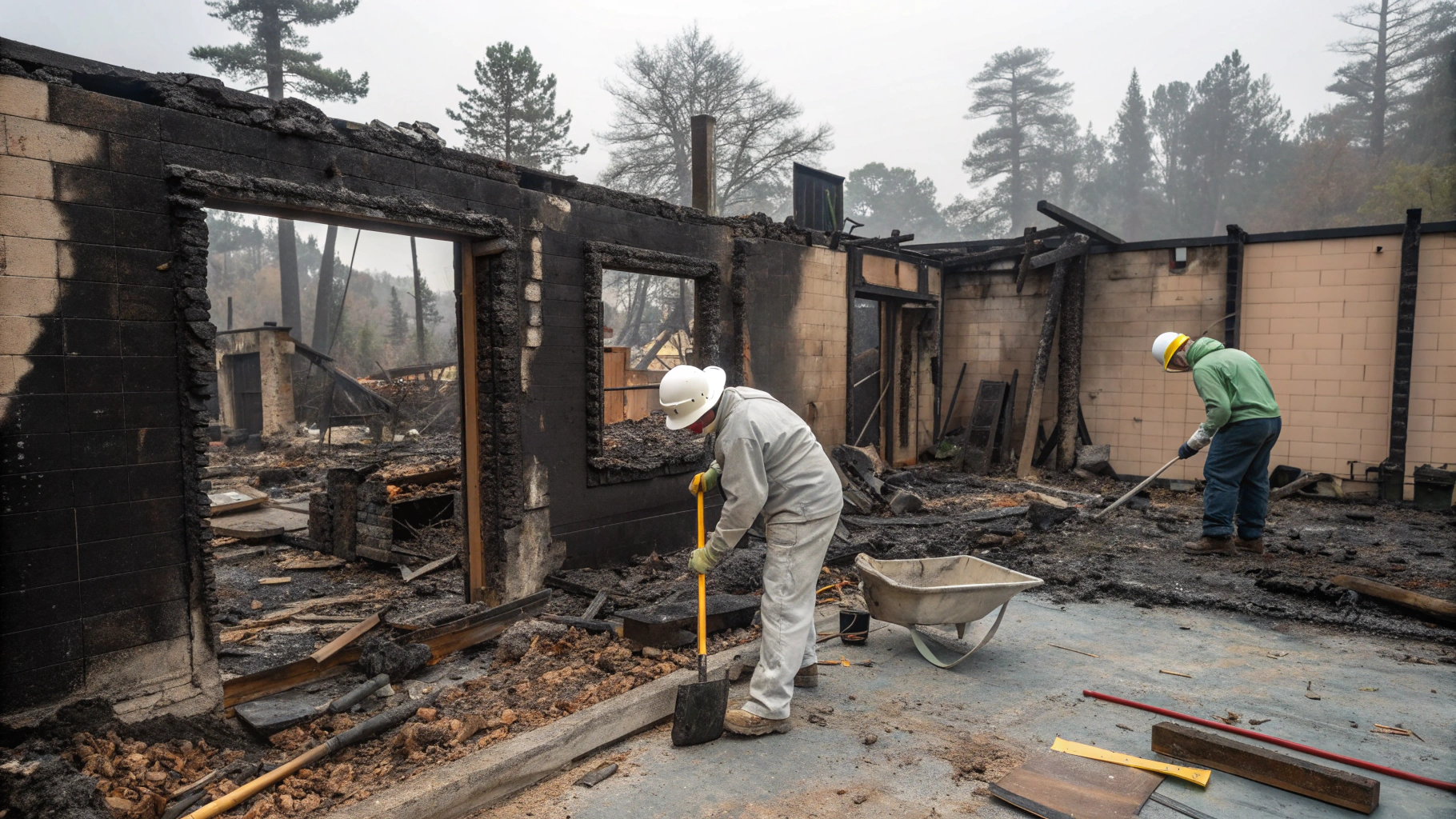
Recovering from a house fire requires understanding when to call the right professionals. An immediate fire damage cleanup service should be contacted as soon as the fire department clears your property. These emergency teams focus on stabilizing the home by removing water, securing exposed areas, and preventing further structural damage. Once the property is safe and dry, a fire damage cleaning company handles deep cleaning, soot removal, odor elimination, and full restoration. Their goal is to return your home to its pre-fire condition. Acting quickly reduces health risks, prevents permanent damage, and improves insurance claim outcomes. In most cases, homeowners need both services to ensure complete, safe, and efficient home recovery after fire damage.
-
Introduction
Experiencing a house fire is one of the most overwhelming situations a homeowner can face. Beyond the emotional toll, the physical damage left behind smoke residue, soot buildup, water saturation, and structural weakening requires immediate and strategic action. Knowing who to call and when can significantly impact your home’s recovery timeline and overall restoration cost. Understanding the difference between an emergency response team and a fire damage cleaning company is essential for effective home recovery. While both services are crucial, they serve different purposes in the restoration process. Choosing the right one at the right time ensures safety, prevents secondary damage, and accelerates your path back to normalcy.
Immediate Fire Damage Cleanup Service: When Time Is Critical
An immediate fire damage cleanup service is your first call right after the fire department clears the property. These professionals specialize in emergency response and stabilization.
When to Call Immediately:
-
Active smoke odor throughout the home
-
Standing water from firefighting efforts
-
Exposed structural damage
-
Soot covering walls, ceilings, and HVAC systems
-
Risk of mold growth due to moisture
Emergency cleanup services focus on:
-
Securing the property (boarding up windows, tarping roofs)
-
Removing excess water and beginning drying processes
-
Extracting debris and hazardous materials
-
Minimizing further structural deterioration
The first 24–48 hours are critical. According to the U.S. Environmental Protection Agency (EPA), soot and smoke residues can contain harmful chemicals that pose respiratory risks if not handled properly. You can review fire safety and environmental considerations directly from the EPA here:https://www.epa.gov
Calling an immediate cleanup team reduces the risk of permanent staining, corrosion, and mold development. Their goal is stabilization not full restoration.
Fire Damage Cleaning Company: When Detailed Restoration Is Needed
Once the property is stabilized, a fire damage cleaning company steps in to perform deep cleaning, deodorization, and restoration work. These specialists focus on returning your home to pre-loss condition.
When to Call a Fire Damage Cleaning Company:
-
After emergency stabilization is complete
-
When smoke odor lingers in walls or furniture
-
If soot has penetrated porous materials
-
For restoration of flooring, cabinetry, and personal belongings
-
During insurance claim documentation and restoration planning
A fire damage cleaning company provides:
-
Deep soot and smoke residue removal
-
Advanced odor neutralization using ozone or thermal fogging
-
Carpet and upholstery restoration
-
Structural cleaning and sanitation
-
Assistance with insurance documentation
This phase requires precision and experience. Improper cleaning methods can spread soot particles further or permanently embed smoke odor into surfaces.
Why Timing Matters in Fire Recovery
Delaying the correct service can significantly increase restoration costs. Soot is acidic and can begin corroding metal surfaces within hours. Smoke residue can discolor walls and ceilings within days. Moisture left untreated can trigger mold growth within 24–48 hours.
Professional assessment ensures:
-
Safety compliance
-
Proper containment of hazardous particles
-
Reduced risk of long-term structural damage
-
Better insurance claim outcomes
Working with certified professionals (such as those following IICRC standards) ensures the process aligns with industry best practices and safety guidelines.
Signs You Need Both Services
In many residential fires, the damage is layered. For example:
-
Kitchen fires may require emergency ventilation cleanup and later deep cabinet restoration.
-
Electrical fires often leave hidden smoke damage in wall cavities.
-
Larger structural fires need stabilization before detailed restoration can begin.
A trusted restoration provider can evaluate your situation and coordinate both phases seamlessly.
Insurance and Documentation Considerations
Most homeowners’ insurance policies cover fire-related damage, but documentation is crucial. Immediate cleanup services often provide detailed reports of damage and stabilization work. A fire damage cleaning company then provides itemized restoration records.
Maintaining thorough documentation:
-
Speeds up claims processing
-
Reduces disputes with insurers
-
Ensures maximum policy benefits
Always contact your insurance provider immediately after a fire and before major restoration begins.
Final Thoughts: Making the Right Call
Recovering from a house fire requires a strategic and timely approach. Call an emergency cleanup team immediately after the fire department leaves to stabilize your home and prevent additional damage. Once the property is secure and dry, schedule a professional fire damage cleaning company to restore surfaces, eliminate odors, and return your home to its pre-fire condition.
Ultimately, understanding the difference between emergency response and restoration ensures faster recovery, lower long-term costs, and safer living conditions. Choosing the right fire damage cleanup service at the right stage of recovery can make all the difference in protecting your investment and your family’s well-being.
FAQs
1. How soon should I call a fire damage cleanup service?
A. Immediately after the fire department clears your property. The first 24–48 hours are critical to prevent secondary damage.
2. Can I clean soot damage myself?
A. Minor surface soot may be manageable, but professional cleaning is strongly recommended to prevent spreading residues and permanent staining.
3. Does homeowners insurance cover fire damage cleaning?
A. Most policies cover fire damage restoration, including emergency cleanup and deep cleaning services, depending on your coverage limits.

 Arabic
 French
 Spanish
 Portuguese
 Deutsch
 Turkish
 Dutch
Dutch
 Italiano
 Russian
 Romaian
 Portuguese (Brazil)
 Greek
Greek