
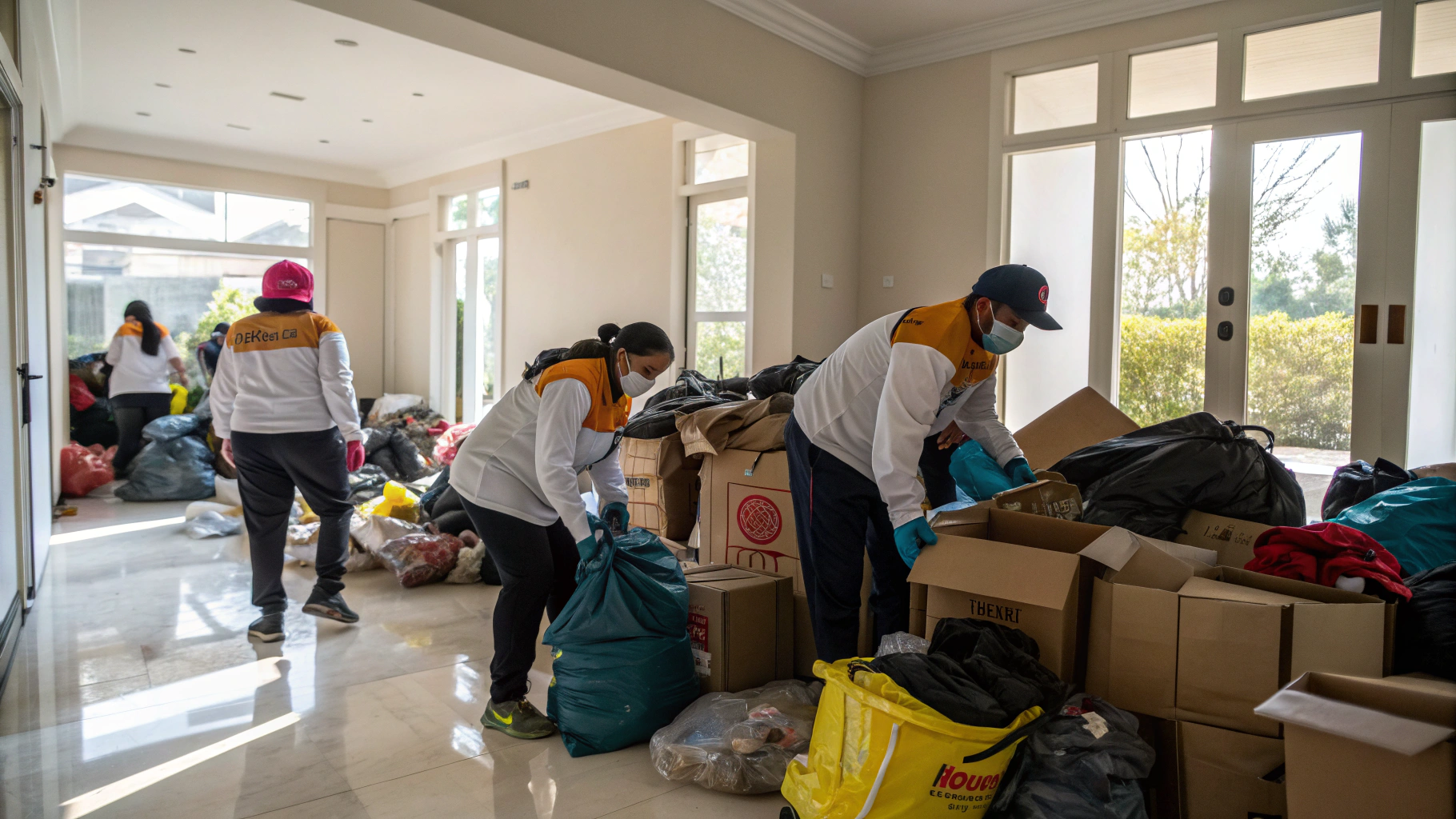
Hoarding disorder can deeply impact families, creating unsafe living conditions, emotional strain, and conflict. Professional hoarding cleanup services provide structured, compassionate support throughout the entire cleanup process. They begin with a thorough assessment and safety plan, ensuring hazards like mold, pests, and bio-contaminants are properly addressed. Beyond removing clutter, trained teams sort items carefully, sanitize the property, and restore healthy living conditions. Just as importantly, they approach each situation with sensitivity and respect, helping reduce shame and family tension. By coordinating with mental health professionals and offering organized, step-by-step guidance, these services support long-term recovery. Ultimately, hoarding cleanup services not only restore homes but also help families rebuild stability, improve safety, and move forward with renewed hope and dignity.
-
Introduction
Hoarding disorder affects millions of individuals and families, creating overwhelming living conditions that can feel impossible to manage alone. Clutter accumulation often leads to unsafe environments, emotional distress, and strained family relationships. When the situation escalates beyond basic cleaning, professional intervention becomes essential.
During a full-scale restoration, hoarding cleanup requires far more than removing clutter it demands compassion, structure, and specialized expertise. Families navigating this process often experience guilt, frustration, and anxiety. Professional cleanup teams play a critical role in supporting both the practical and emotional aspects of recovery.
Understanding the Emotional Impact on Families
Hoarding is recognized as a mental health disorder by the American Psychiatric Association (APA), often linked to trauma, anxiety, depression, or obsessive-compulsive behaviors. According to the American Psychiatric Association, hoarding disorder involves persistent difficulty discarding possessions regardless of their value.
For families, this can create:
-
Emotional burnout
-
Safety concerns
-
Health hazards
-
Financial strain
-
Conflict between loved ones
Professional cleanup teams understand that they are not simply clearing a property they are entering a highly sensitive environment. Respectful communication and trauma-informed practices are essential components of the process.
Creating a Safe and Structured Cleanup Plan
One of the most important ways professionals support families is through structured planning.
A full cleanup typically begins with:
-
Assessment of the property
-
Identification of safety hazards
-
Development of a phased cleanup strategy
-
Clear communication with family members
This step-by-step structure reduces overwhelm. Families no longer feel like they are tackling an insurmountable problem alone. Instead, they have a defined roadmap with clear milestones.
Safety is also prioritized. Hoarded homes may contain:
-
Mold
-
Biohazards
-
Pest infestations
-
Structural damage
-
Fire risks
Trained technicians use proper protective equipment and follow industry sanitation standards to ensure the environment becomes safe and livable again.
Providing Emotional Sensitivity and Non-Judgmental Support
Perhaps the most underestimated benefit of professional cleanup is emotional support.
Individuals struggling with hoarding often feel shame and fear of judgment. Family members may feel anger or helplessness. Experienced teams are trained to approach the situation without criticism. They:
-
Involve the individual in decision-making
-
Avoid forcing sudden disposal when possible
-
Respect personal attachments
-
Encourage small, manageable progress
This approach reduces resistance and helps maintain dignity. By acting as neutral third parties, cleanup professionals can also ease tension between family members.
Efficient Sorting, Removal, and Disposal
A full cleanup requires more than throwing items away. Items must be carefully sorted into:
-
Keep
-
Donate
-
Recycle
-
Dispose
Professional teams bring the labor, logistics, and equipment necessary to complete this efficiently. Large-scale removal may require dumpsters, specialized vehicles, and coordinated waste management.
For families, this eliminates weeks or months of exhausting physical labor. Instead of risking injury or burnout, they can focus on supporting their loved one emotionally.
Deep Cleaning and Sanitization
After clutter removal, thorough sanitization is critical. Hoarded environments often harbor bacteria, mold spores, and contaminants.
Professional services typically include:
-
Odor removal
-
Surface disinfection
-
Carpet removal or restoration
-
Air purification
-
Pest remediation coordination
Restoring the property to a healthy standard not only improves safety but also creates a fresh start psychologically. A clean environment can positively impact mental well-being and motivation.
Coordinating With Mental Health and Community Resources
Reputable hoarding cleanup services understand that lasting change requires ongoing support. Many collaborate with:
-
Therapists
-
Social workers
-
Case managers
-
Local health departments
This coordination ensures families are not left without resources after the physical cleanup is complete. Long-term recovery strategies may include counseling, support groups, and follow-up visits.
By integrating practical cleanup with mental health awareness, professionals help prevent relapse.
Reducing Family Conflict
Hoarding situations often create long-standing disputes within families. Arguments about what to keep, when to clean, and how to intervene can damage relationships.
Professional teams serve as mediators. They:
-
Establish objective processes
-
Maintain boundaries
-
Provide realistic timelines
-
Offer clear expectations
This neutral guidance helps reduce emotional escalation and restores healthier communication patterns.
Restoring Dignity and Hope
Beyond sanitation and organization, cleanup represents a turning point. It allows individuals to regain functional living spaces kitchens that can be used, bedrooms that are accessible, and bathrooms that are sanitary.
For families, this transformation often restores hope. Seeing visible progress reinforces the belief that change is possible.
A clean and safe home also reduces:
-
Fire risk
-
Fall hazards
-
Health complications
-
Legal or housing violations
Most importantly, it allows families to begin healing together.
The Long-Term Value of Professional Intervention
While some families attempt to manage hoarding situations independently, professional help dramatically increases safety, efficiency, and emotional stability throughout the process. In the final stage of recovery, families often recognize that professional hoarding cleanup services not only restored their property but also provided structure, empathy, and guidance during one of the most challenging periods of their lives.
FAQs
Q1. How long does a full hoarding cleanup take?
A. The timeline depends on severity, property size, and safety conditions. It can range from a few days to several weeks.
Q2. Are hoarding cleanup services confidential?
A. Yes. Reputable companies prioritize discretion and protect client privacy throughout the process.
Q3. Can hoarding return after cleanup?
A. Without mental health support and ongoing maintenance, relapse is possible. Continued therapy and structured follow-up significantly reduce the risk.

 English
 Arabic
 French
 Spanish
 Portuguese
 Turkish
 Dutch
Dutch
 Italiano
 Russian
 Romaian
 Portuguese (Brazil)
 Greek
Greek