
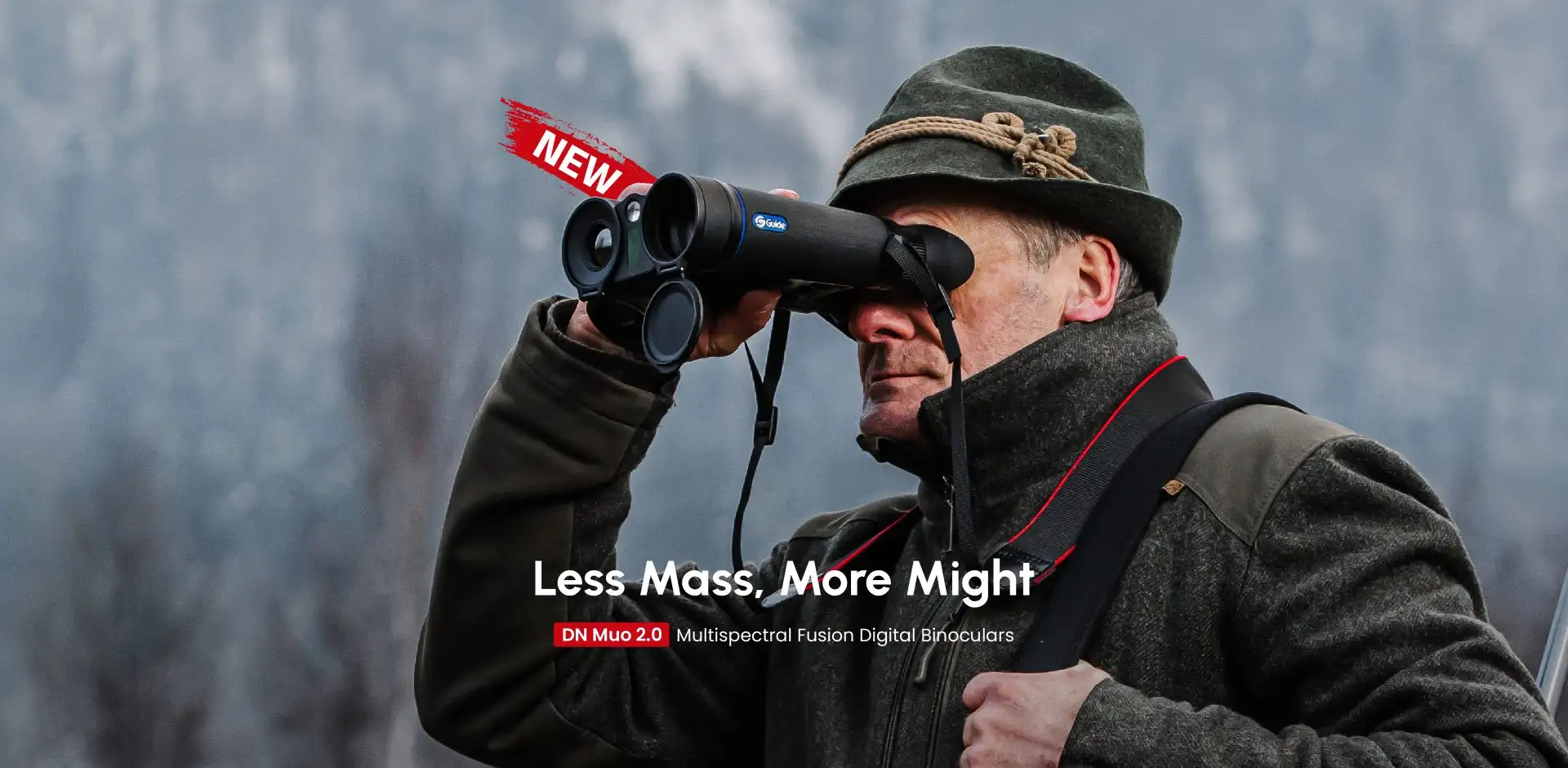
The ability to maintain high-level visibility in the absence of sunlight has become an essential skill for those who frequent the wilderness after hours. While traditional optics reach their limits in low-light environments, infrared technology bridges the gap by detecting the thermal radiation emitted by every object in the field of view. Utilizing a handheld thermal scanner for hunting allows for the detection of heat signatures through dense fog, falling snow, and thick undergrowth. This capability provides an unparalleled advantage for scouting and tracking, as it highlights living targets that would be perfectly camouflaged to the naked eye. By focusing on temperature differentials rather than reflected light, these devices offer a consistent and reliable view of the landscape, ensuring that no movement remains hidden in the shadows.
The Foundation of Infrared Science
Thermal imaging is based on the detection of long-wave infrared radiation. Every object with a temperature above absolute zero emits this energy, and thermal sensors are designed to translate these invisible waves into a visual representation. In a typical outdoor setting, animals and humans emit significantly more heat than the surrounding vegetation or soil, causing them to appear as bright, high-contrast silhouettes.
The effectiveness of this translation depends on the microbolometer, the sensor at the core of the device. Modern sensors are incredibly sensitive, often capable of detecting temperature changes as minor as 25 millikelvins. This level of precision allows the user to see not just a heat "blob," but the defined shape and features of the target, which is critical for accurate identification at long distances.
Balancing Resolution and Refresh Rates
For a high-quality viewing experience, the resolution of the sensor and the refresh rate of the display must work in harmony. A higher sensor resolution, such as 640x480, provides a denser pixel count, which translates to a sharper image with more fine detail. This is especially important when using digital zoom, as it prevents the image from becoming overly pixelated.
The refresh rate, measured in Hertz (Hz), determines how many times the image is updated every second. A 50Hz refresh rate is the industry standard for professional use, offering fluid, real-time movement. This is essential for tracking fast-moving wildlife or panning across a wide horizon without experiencing motion lag or image stutter, ensuring that your visual data is always current.
Precision Ranging in Low-Light Conditions
One of the most significant obstacles to nighttime navigation is the loss of natural depth perception. Without light to define distances, even experienced observers can struggle to determine how far away a heat signature truly is. The best thermal monocular with rangefinder addresses this challenge by integrating a laser rangefinder directly into the optical system. This allows the user to obtain an instant, accurate distance measurement to any object visible on the screen. Having this information available in real-time eliminates guesswork and provides the data necessary for precise movement and ethical decision-making in the field. This integration of heat detection and distance measurement creates a comprehensive tool for any nocturnal environment.
Ergonomics and Durability for the Field
Thermal equipment is designed to be used in the most demanding conditions, requiring a build quality that matches its technological sophistication. Most units are encased in magnesium alloy or reinforced polymer housings that offer high impact resistance while remaining lightweight. They are typically rated for waterproof performance, ensuring that internal components remain dry during heavy rain or snow.
The ergonomics of these devices are tailored for ease of use in the dark. Intuitive button layouts allow for one-handed operation, enabling the user to adjust zoom, change color palettes, or activate the rangefinder without looking away from the eyepiece. This seamless interaction ensures that the focus remains entirely on the environment and the movement of the target.
Safety, Recovery, and Tactical Awareness
Beyond its primary use for scouting, thermal technology serves as a vital safety asset. It allows for the rapid location of team members or pets in the woods, providing peace of mind during group excursions. In the event of game recovery, a thermal scanner can detect the residual heat of a trail or the animal itself in heavy brush where a standard flashlight would be ineffective.
Furthermore, thermal optics can reveal hazards that are invisible to the naked eye, such as fallen timber, steep drop-offs, or wildlife that may be too close for comfort. This increased situational awareness makes every trip into the wilderness safer and more controlled, allowing for a more immersive and less stressful outdoor experience.
Investing in Quality Performance
The current market offers a wide variety of thermal monoculars for sale that cater to a broad range of applications. When selecting a device, it is important to consider the primary environment in which it will be used. Units with larger objective lenses offer better light-gathering capabilities and longer detection ranges, while more compact models prioritize portability and ease of carry. High-quality displays, such as OLED or LCOS screens, provide the contrast and clarity needed to distinguish between different species at the edge of the device's range. Choosing a well-built optic ensures that you have a reliable tool that will perform consistently for years to come.
Digital Features and Connectivity
Modern thermal optics are highly integrated digital tools that offer more than just a view of the heat. Many models include internal memory for recording high-definition video and capturing still images. This allows for a detailed review of the night's activity, providing valuable insights into animal behavior and habitat use.
Wireless connectivity is another common feature, enabling the device to sync with a smartphone or tablet. Through dedicated apps, users can stream the live thermal feed to a secondary screen, update the device's firmware, or even remotely control certain settings. This level of connectivity makes it easier to share the experience with others and keeps the equipment at the forefront of technological capability.
The Future of Nighttime Observation
As technology continues to advance, thermal sensors are becoming smaller, more powerful, and more efficient. We are seeing the introduction of intelligent software that can automatically track the hottest object in the field of view or provide image enhancement algorithms that sharpen the edges of heat signatures. These advancements mean that the gap between professional-grade gear and consumer-accessible tools is smaller than ever before.
The move toward multimodal optics, which may eventually combine thermal imaging with digital night vision or even augmented reality overlays, suggests that our ability to see in the dark will only continue to improve. These tools are no longer just for specialized use; they are becoming an integral part of the modern outdoor lifestyle.
Final Thoughts on Thermal Mastery
Mastering the dark requires a combination of skill, patience, and the right equipment. By choosing a device that offers high thermal sensitivity, integrated distance measurement, and rugged durability, you are equipping yourself for success in any environment. The night holds a wealth of activity that is hidden from those without the right tools. With a high-performance thermal monocular, you gain a new perspective on the wilderness, turning the challenge of the dark into an opportunity for discovery and a more effective pursuit of your goals.

 English
 Arabic
 French
 Spanish
 Portuguese
 Deutsch
 Dutch
Dutch
 Italiano
 Russian
 Romaian
 Portuguese (Brazil)
 Greek
Greek