
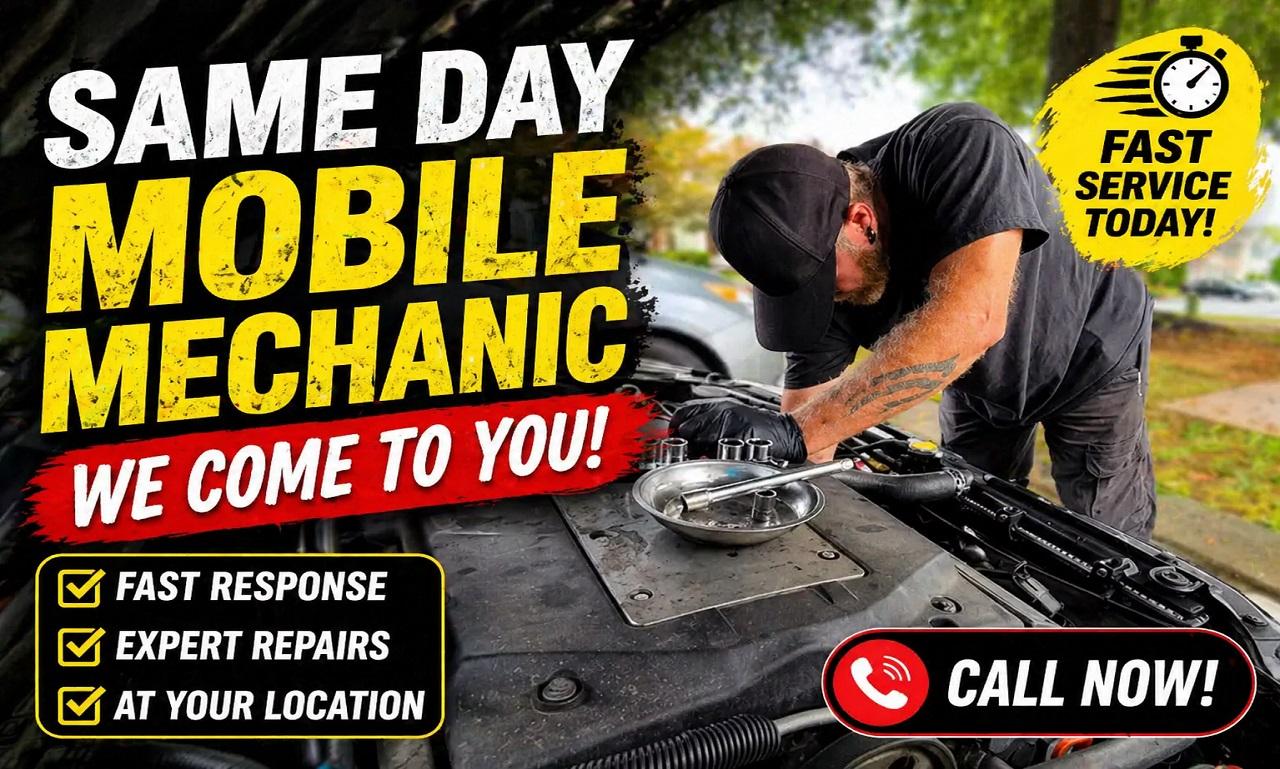
Buying a used car can be exciting, but it can also be risky if you do not know the real condition of the vehicle. A car may look clean from the outside, but hidden problems can exist under the bonnet, inside the engine, in the gearbox, brakes, tyres, suspension, or electrical system. This is why a pre purchase car inspection is one of the smartest steps before buying any second-hand vehicle. It helps you understand what you are paying for and protects you from costly mistakes.
A pre purchase car inspection gives you a clear report about the car’s condition before you make the final decision. Whether you are buying from a dealer, private seller, auction, or online marketplace, this inspection helps you check the vehicle properly and avoid buying a car with major issues.
What Is a Pre Purchase Car Inspection?
A pre purchase car inspection is a detailed check of a used car before purchase. It is usually done by a qualified mechanic or vehicle inspector who checks the car’s mechanical, electrical, safety, and body condition. The goal is to find existing faults, signs of poor maintenance, accident damage, worn parts, or future repair risks.
The inspection may include the engine, transmission, brakes, steering, suspension, tyres, battery, lights, air conditioning, fluid levels, exhaust system, interior, exterior, and road test. Some inspections also include diagnostic scanning to find hidden fault codes from the car’s computer system.
This inspection gives the buyer better confidence. It also helps during price negotiation because repair issues can be used to ask for a lower price.
Why Pre Purchase Car Inspection Is Important
A used car can have problems that are not easy to see during a short test drive. Sellers often clean the car well before showing it, but looks do not always prove quality. A car may have engine leaks, weak brakes, worn tyres, poor suspension, hidden accident repair, rust, or electrical faults.
A pre purchase car inspection helps you avoid these risks. It gives you a professional opinion before you spend your money. This is especially important when buying a car that is older, has high mileage, or has no clear service history.
It can also save you from unexpected repair costs. For example, a car that seems affordable may need expensive work after purchase. If the inspection finds these problems early, you can choose not to buy the car or negotiate a fairer price.
What Does a Pre Purchase Car Inspection Include?
A good pre purchase car inspection checks many parts of the vehicle. The inspector usually starts with the exterior body condition. They look for dents, scratches, rust, paint mismatch, poor panel gaps, and signs of previous accident repair.
The engine bay is also checked carefully. The mechanic looks for oil leaks, coolant leaks, damaged belts, unusual noises, battery condition, and general engine health. Fluid levels and fluid quality are also important because dirty oil or low coolant may show poor maintenance.
The inspection also covers brakes, tyres, wheels, suspension, steering, lights, indicators, wipers, air conditioning, seat belts, dashboard warning lights, and interior controls. If possible, the vehicle is taken for a road test to check performance, gear changes, braking, handling, vibration, and unusual sounds.
Engine and Mechanical Condition
The engine is one of the most important parts of any car. If the engine has serious problems, repair costs can be very high. During a pre purchase car inspection, the mechanic checks how the engine starts, idles, accelerates, and sounds.
They may look for smoke from the exhaust, oil leaks, coolant loss, overheating signs, and unusual knocking or ticking sounds. The mechanic also checks whether the engine runs smoothly or shows signs of rough performance.
Transmission condition is also important. In automatic cars, the inspector checks whether gear changes are smooth and responsive. In manual cars, the clutch, gear engagement, and driving feel are reviewed. Any slipping, delay, vibration, or harsh gear shift can be a warning sign.
Body, Accident, and Rust Check
A car’s body condition can tell a lot about its past. Some used cars have been involved in accidents and repaired before sale. Not every repair is bad, but poor accident repair can affect safety, resale value, and long-term durability.
During inspection, the mechanic checks body panels, paint finish, gaps between panels, bonnet alignment, door fitting, bumper condition, and signs of filler or repainting. Rust is also checked, especially around wheel arches, underbody areas, doors, boot, and chassis points.
Rust can become a serious issue if it spreads. Small surface rust may be manageable, but structural rust can affect safety. A pre purchase car inspection helps identify these problems before you commit to buying.
Road Test and Driving Performance
A road test is a valuable part of the inspection because some problems only appear while driving. The inspector checks how the car accelerates, brakes, turns, and handles different road conditions.
During the test drive, the mechanic may listen for suspension noise, wheel bearing sound, brake vibration, steering pull, engine hesitation, or gearbox problems. The car should feel stable, smooth, and safe.
If the vehicle pulls to one side, shakes at speed, makes clunking sounds, or has weak braking, these may be signs of mechanical problems. A road test gives a real-world view of how the car performs, not just how it looks when parked.
How Inspection Helps with Price Negotiation
One of the biggest benefits of a pre purchase car inspection is negotiation power. If the report finds worn tyres, brake issues, oil leaks, suspension wear, or other repairs, you can ask the seller to reduce the price.
Instead of guessing, you will have clear evidence from a professional inspection. This makes your negotiation stronger and more realistic. In some cases, the seller may agree to fix the problems before sale. In other cases, you may decide the car is not worth buying.
Even if the car is in good condition, the inspection gives peace of mind. You can buy with more confidence because you know the vehicle has been checked properly.
Who Should Get a Pre Purchase Car Inspection?
Anyone buying a used car should consider a pre purchase car inspection. It is especially helpful for first-time car buyers, families, students, rideshare drivers, business owners, and people buying from private sellers.
It is also useful if you are buying a car from another city and cannot inspect it yourself. Many mobile inspection services can visit the seller’s location and check the car for you.
Even experienced drivers can miss hidden issues. A professional mechanic has the tools, knowledge, and experience to notice signs that ordinary buyers may overlook.
Final Thoughts
A pre purchase car inspection is a small step that can protect you from a big financial mistake. It helps you understand the true condition of a used car before buying it. From engine health and brake safety to accident signs and road performance, the inspection gives you clear information before making a final decision.

 Arabic
 French
 Spanish
 Portuguese
 Deutsch
 Turkish
 Dutch
Dutch
 Italiano
 Russian
 Romaian
 Portuguese (Brazil)
 Greek
Greek