
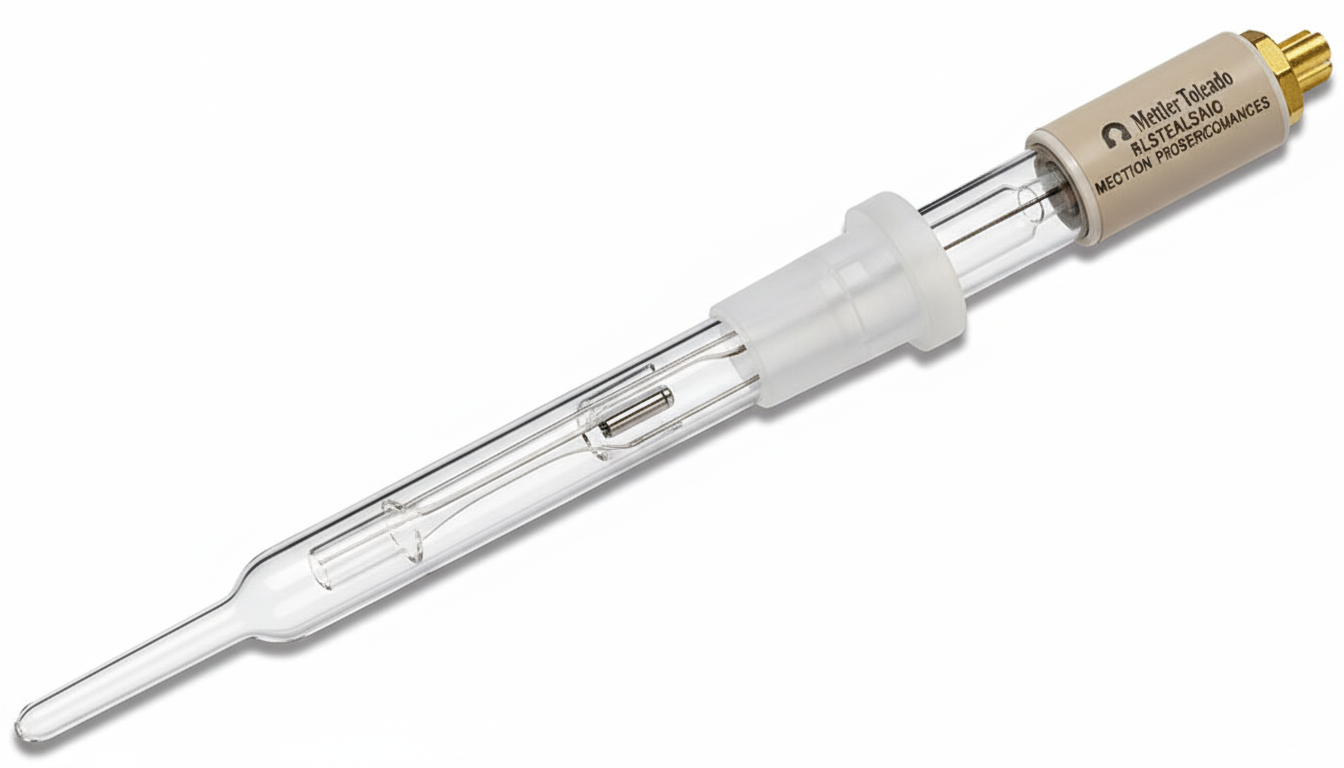
The R501 reference electrode is an essential component in electrochemical systems, widely used for accurate and stable potential measurement. It plays a critical role in laboratories, industrial processes, and research applications where precise voltage comparison is required. This electrode provides a constant reference potential, which helps scientists and engineers measure the potential of other electrodes in a circuit. Without a reliable reference electrode like the R501, it would be difficult to achieve consistent and reproducible results in electrochemical experiments.
What is an R501 Reference Electrode
An R501 reference electrode is a type of electrochemical electrode designed to maintain a stable and known electrical potential. Unlike working electrodes that participate in reactions, the reference electrode remains stable and does not significantly interact with the sample. The R501 model is specifically known for its durability, accuracy, and compatibility with a wide range of solutions. It is commonly used in pH measurement systems, corrosion studies, and analytical chemistry applications.
Working Principle
The working principle of the R501 reference electrode is based on maintaining a constant electrochemical potential. This is achieved through a stable internal electrolyte and a reference element that does not change over time. The electrode is designed in such a way that it minimizes the flow of current, ensuring that its potential remains unaffected by external conditions. When connected to an electrochemical cell, the R501 provides a baseline against which the potential of the working electrode is measured. This stable reference allows for accurate and reliable readings.
Construction and Design
The construction of the R501 reference electrode typically includes a sealed body made of durable material such as glass or plastic. Inside the electrode, there is an electrolyte solution that maintains ionic conductivity. A reference element, often made of silver or another stable material, is immersed in this solution. The electrode also includes a junction that allows ionic contact with the test solution while preventing contamination. The design ensures long-term stability and minimal maintenance, making it suitable for continuous use.
Applications
The R501 reference electrode is widely used in various fields due to its reliability and precision. In laboratories, it is used for pH measurement, titration, and electrochemical analysis. In industrial settings, it helps monitor corrosion in pipelines and structures. It is also used in environmental testing to analyze water quality and detect pollutants. Additionally, the R501 electrode is important in research and development, where accurate electrochemical measurements are required for innovation and experimentation.
Advantages
One of the main advantages of the R501 reference electrode is its stable and consistent performance. It provides accurate measurements over long periods, reducing the need for frequent calibration. The electrode is also easy to use and compatible with many types of electrochemical systems. Its durable construction ensures resistance to harsh conditions, making it suitable for both laboratory and field applications. Furthermore, the R501 electrode offers reliable results, which is crucial for scientific research and industrial processes.
Maintenance and Care
Proper maintenance of the R501 reference electrode is important to ensure its longevity and performance. The electrode should be stored in an appropriate solution to prevent drying out. Regular cleaning is necessary to remove any deposits that may affect its accuracy. It is also important to check the electrolyte level and replace it when needed. By following proper maintenance procedures, users can extend the life of the electrode and maintain its accuracy over time.
Limitations
Despite its many advantages, the R501 reference electrode has some limitations. It may require periodic maintenance and calibration to ensure accuracy. In certain conditions, such as extreme temperatures or highly contaminated solutions, its performance may be affected. Additionally, improper handling can damage the electrode, leading to inaccurate readings. Understanding these limitations helps users take the necessary precautions for optimal performance.
Future Developments
The future of reference electrodes, including the R501 model, is focused on improving durability, accuracy, and ease of use. Researchers are working on developing electrodes with longer lifespans and reduced maintenance requirements. Advances in materials and technology are expected to enhance performance and expand applications. The R501 reference electrode will continue to play a vital role in electrochemical analysis as new innovations emerge.
Conclusion
The R501 reference electrode is a crucial tool in electrochemical measurements, providing a stable and reliable reference potential. Its wide range of applications, durable design, and accurate performance make it an essential component in laboratories, industries, and research fields. By understanding its working principle, construction, and maintenance requirements, users can maximize its benefits and achieve precise results in their work.

 English
 Arabic
 French
 Spanish
 Portuguese
 Deutsch
 Turkish
 Dutch
Dutch
 Russian
 Romaian
 Portuguese (Brazil)
 Greek
Greek