
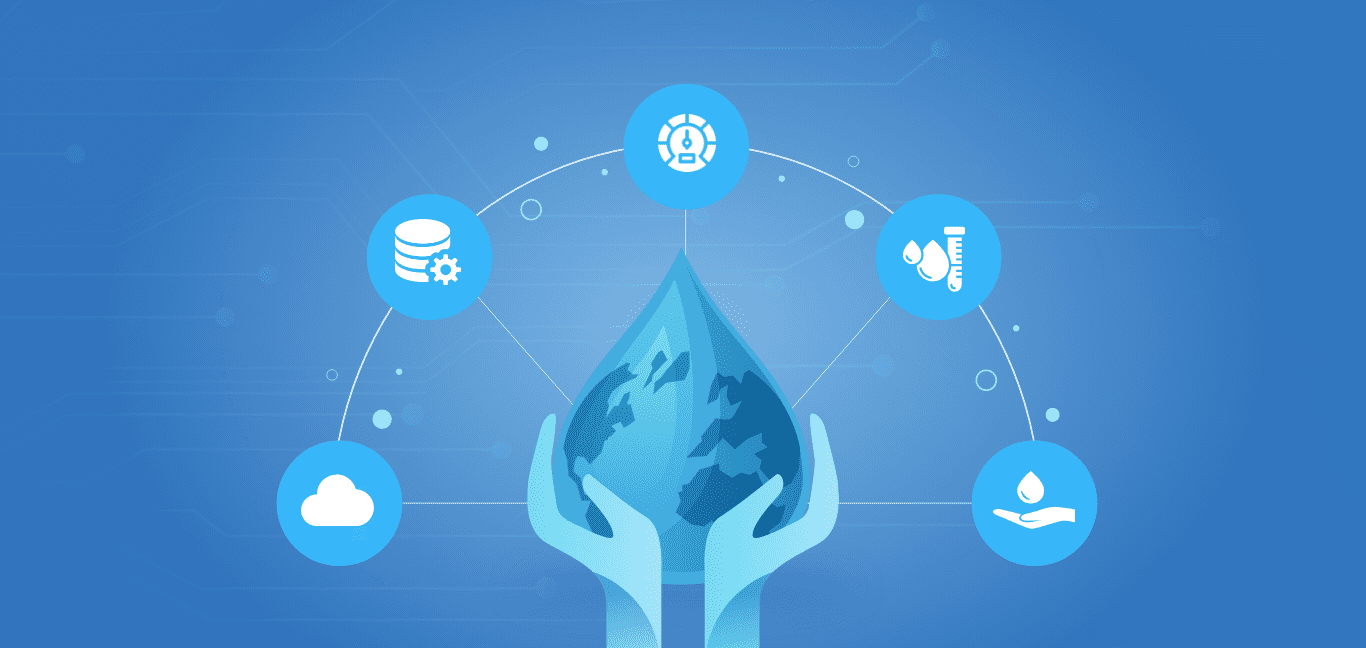
The global challenges of water scarcity, aging infrastructure, and increasing operational costs have created a massive and rapidly growing market for a new generation of digital solutions. The global Smart Water Management Market is a thriving ecosystem of hardware vendors, software providers, and service specialists dedicated to helping water utilities digitize and optimize their operations. This market encompasses the entire technology stack required for intelligent water and wastewater management, from the smart meters and sensors that collect the data to the communication networks that transmit it and the advanced software platforms that analyze it. Driven by the urgent need to conserve water, reduce operational expenses, and improve regulatory compliance, utilities around the world are increasingly investing in smart water technologies, creating a large, dynamic, and highly competitive global market for these essential solutions.
To better understand its structure, the market can be segmented by its core components, the technology used, and the end-user. By component, the market is divided into hardware (smart meters, sensors, data loggers), software (meter data management, analytics platforms, SCADA systems), and services (system integration, consulting, and network management). By technology, the market includes Advanced Metering Infrastructure (AMI), which is the network for remotely reading smart meters; Supervisory Control and Data Acquisition (SCADA) systems for monitoring and controlling plant operations; and advanced data analytics and leak detection software. The end-users are primarily public and private water utilities, but the market also includes solutions for large industrial water users and for agricultural irrigation management, each with its own set of specific challenges and requirements.
The primary forces propelling the market's expansion are powerful and rooted in fundamental environmental and economic pressures. The number one driver is the growing global water crisis. Increasing populations and the effects of climate change are putting immense stress on water supplies, making the reduction of water loss through leaks a top priority for utilities everywhere. The problem of aging water infrastructure in many developed countries is another major catalyst. Instead of undertaking the prohibitively expensive task of replacing all old pipes, utilities are using smart technology to better monitor and manage their existing assets, allowing them to prioritize repairs more effectively. Furthermore, stricter environmental regulations and the rising cost of energy are pushing utilities to adopt smart solutions that can optimize their treatment and pumping operations to reduce their energy consumption and carbon footprint.
Despite the strong growth prospects and clear benefits, the smart water management market is not without its challenges. The primary hurdle for many publicly-owned water utilities is the high upfront cost of a large-scale smart meter rollout and the long and often complex process of securing funding and regulatory approval for such a major capital project. The technical challenge of integrating a variety of different sensors, meters, and software systems from multiple vendors into a single, cohesive platform can also be significant. Data security is another major concern, as connecting the water network to the internet creates new potential vulnerabilities for cyberattacks that could disrupt a critical public service. Overcoming these financial, technical, and security hurdles is key to accelerating the adoption of smart water technology globally.
Top Trending Reports:

 English
 Arabic
 French
 Spanish
 Portuguese
 Deutsch
 Turkish
 Italiano
 Russian
 Romaian
 Portuguese (Brazil)
 Greek
Greek