
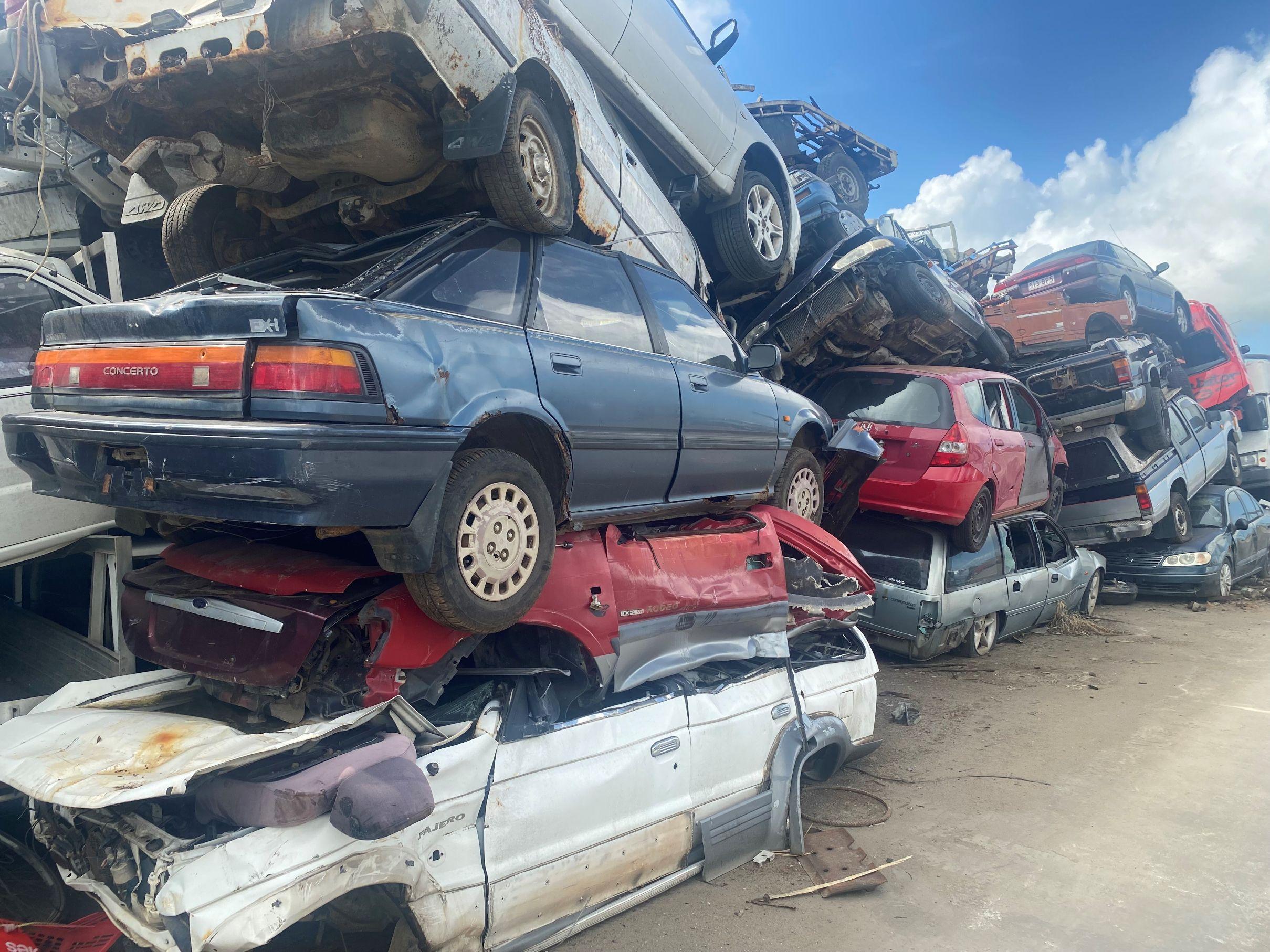
When a car starts needing frequent repairs, many owners face the same question: repair the vehicle or sell it for scrap. The answer depends on repair costs, vehicle age, safety, and resale value. Understanding the real cost breakdown helps Australian drivers make a practical and informed decision.
Older vehicles often develop engine issues, electrical faults, or rust damage. Repairing these problems can quickly exceed the vehicle’s market value. By comparing repair costs with potential scrap value, you can avoid spending money on a car that no longer delivers reliable transport.
This guide explains how to calculate repair costs, understand vehicle depreciation, and decide when scrapping the car becomes the more practical option.
Understanding The True Cost Of Car Repairs
The true cost of repairing a vehicle includes parts, labour, and the possibility of recurring issues. Many repairs appear affordable at first, but additional problems often surface once work begins.
A common rule used by mechanics is the 50 percent rule. If repair costs exceed 50 percent of the vehicle’s current value, replacing or scrapping the car becomes the more logical choice.
For example, if a vehicle is worth $4,000 and repairs cost $2,500, the owner spends more than half the car’s value on a single repair. In such cases, future repairs may still occur because older components continue to wear out.
Several mechanical issues quickly increase repair bills:
| Common Repair | Average Cost in Australia |
|---|---|
| Transmission replacement | $3,500 – $6,000 |
| Engine rebuild | $4,000 – $7,500 |
| Suspension repairs | $800 – $2,500 |
| Brake system replacement | $600 – $1,500 |
| Electrical system faults | $500 – $2,000 |
These costs vary depending on vehicle model and parts availability, but they highlight how quickly repair expenses accumulate.
Vehicle Age And Depreciation In Australia
Vehicle depreciation significantly affects repair decisions. A car loses value each year, meaning repairs may cost more than the vehicle’s resale price.
According to the Australian Bureau of Statistics (ABS), the average passenger vehicle age in Australia exceeds 10 years. Older vehicles typically experience higher maintenance costs due to worn components and outdated technology.
Depreciation follows a predictable pattern:
| Vehicle Age | Average Value Retained |
|---|---|
| 1 year | 80–90% |
| 3 years | 60–70% |
| 5 years | 45–55% |
| 10 years | 20–30% |
When a car reaches 10 years of age, the resale value drops sharply. At this stage, major repairs rarely make financial sense unless the vehicle has strong sentimental value or very low mileage.
Drivers often begin evaluating other options at this point, including selling parts or recycling the vehicle through scrap metal services such as those operating in regional areas like scrap metal Ipswich markets.
Hidden Costs Many Car Owners Ignore
Repair decisions often focus only on the mechanic’s bill. However, several hidden costs increase the real financial burden of keeping an ageing car.
These costs include:
Frequent Maintenance
Older vehicles require regular servicing. Oil leaks, worn belts, and battery issues occur more often, increasing annual maintenance costs.
Fuel Inefficiency
Older engines consume more fuel compared to modern vehicles with improved fuel systems and emissions standards.
Insurance And Registration
Even ageing vehicles still require annual registration and compulsory third-party insurance in Australia.
Time Without A Vehicle
Repairs sometimes require several days in a workshop. During this time, owners often rely on rideshare services or public transport, adding indirect expenses.
These hidden factors often shift the financial balance toward scrapping rather than repairing.
When Scrapping A Car Becomes The Smarter Option
Scrapping a vehicle becomes practical when repairs exceed the car’s usable value or when safety concerns increase. Structural rust, major engine failure, and accident damage often signal the end of a vehicle’s economical lifespan.
Scrap vehicles still contain valuable recyclable materials such as steel, aluminium, copper wiring, and catalytic converters. These materials contribute to recycling industries and reduce landfill waste.
Australia recycles a large portion of end-of-life vehicles through metal recovery processes. Steel recovered from cars re-enters manufacturing industries and supports sustainable resource use.
For many drivers, selling the vehicle for scrap also removes the burden of continued repairs. Owners receive payment based on vehicle weight and metal value instead of spending money on uncertain mechanical fixes.
After evaluating repair costs and scrap value, many car owners choose recycling options offered by local metal buyers. Services like Metal Biz Recyclers frequently assist vehicle owners who reach this stage of decision-making. The company operates within Queensland’s recycling network and helps drivers convert unwanted vehicles into recyclable materials through straightforward collection processes.
How Scrap Value Is Calculated
Scrap value depends on several measurable factors. Buyers assess the vehicle’s weight, metal composition, and condition before offering a price.
The key factors include:
Vehicle Weight
Heavier vehicles contain more steel and metal components. Larger sedans, SUVs, and trucks typically attract higher scrap prices.
Metal Market Prices
Scrap prices change according to global metal markets. Steel, aluminium, and copper demand influences how much recyclers pay.
Vehicle Completeness
Cars containing major components such as engines, transmissions, and catalytic converters usually have higher recycling value.
Location And Transport Costs
Local recycling facilities reduce transportation expenses, which can slightly increase the payment offered to sellers.
In regional recycling markets, services dealing with scrap metal collections often evaluate vehicles quickly and provide price estimates based on current metal rates. Some facilities also allow owners to Get a free quote before arranging collection.
Repair Vs Scrap: A Practical Cost Comparison
Comparing repair and scrap options side by side makes the decision clearer for many drivers.
| Factor | Repairing The Vehicle | Scrapping The Vehicle |
|---|---|---|
| Upfront Cost | High repair bills | No repair cost |
| Future Reliability | Often uncertain | Not applicable |
| Vehicle Value | May remain low | Immediate return from scrap |
| Environmental Impact | Continued emissions | Metal recycling supports sustainability |
| Time Investment | Workshop visits and delays | Quick disposal process |
This comparison shows that repairing a severely damaged or ageing vehicle rarely provides long-term financial benefits.
Environmental Benefits Of Scrapping Vehicles
Vehicle recycling plays an important role in Australia’s environmental management. End-of-life cars contain recyclable materials that reduce the need for new raw resources.
The recycling process involves:
-
Fluid removal including oil and coolant
-
Safe removal of batteries and hazardous components
-
Dismantling reusable parts
-
Crushing and metal separation
-
Steel recycling for manufacturing
Steel recovered from scrapped cars returns to industries producing construction materials, appliances, and new vehicles. This process conserves energy and reduces mining demand.
Environmental recycling programs also reduce landfill waste. Instead of abandoned vehicles taking up space in disposal sites, most of the material returns to the production cycle.
Simple Checklist Before Making The Final Decision
Drivers often feel uncertain about scrapping a car. A simple checklist helps clarify the situation before making a final choice.
Ask these questions:
-
Does the repair cost exceed half the car’s value?
-
Has the car required multiple repairs in the past 12 months?
-
Does the vehicle show structural rust or safety concerns?
-
Is the car older than 10 years with declining reliability?
-
Would selling the vehicle for scrap provide immediate financial relief?
If the answer to several of these questions is yes, scrapping the vehicle usually becomes the more practical solution.
Conclusion
Repairing an ageing vehicle sometimes extends its life, but major mechanical failures often cost more than the car’s value. A realistic cost breakdown that includes repair bills, hidden expenses, depreciation, and scrap value helps drivers make a balanced decision.
Many Australian car owners reach a point where recycling the vehicle becomes the financially sensible option. Scrapping removes ongoing repair expenses while allowing valuable metals to return to the manufacturing cycle.
Making the right choice begins with comparing repair estimates and understanding the vehicle’s real market value.
Explore more helpful insights in our blog section.

 Arabic
 French
 Spanish
 Portuguese
 Deutsch
 Turkish
 Dutch
Dutch
 Italiano
 Russian
 Romaian
 Portuguese (Brazil)
 Greek
Greek