
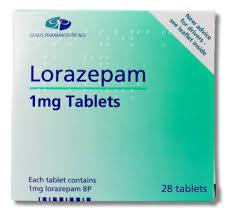
Lorazepam is a well-known benzodiazepine medicine used in the UK for the short-term management of anxiety, severe agitation, insomnia related to anxiety, and certain acute medical conditions. Available in several strengths, including 3mg, lorazepam is considered a potent central nervous system (CNS) depressant and is strictly regulated under UK medicines law.
Because of its effectiveness—and its risks—lorazepam must be prescribed carefully and used responsibly. This article provides a detailed UK-specific overview of lorazepam 3mg, covering how it works, approved medical uses, safety concerns, side effects, dependence risk, and its legal and regulatory status in the United Kingdom.
What Is Lorazepam?
Lorazepam belongs to the benzodiazepine class of medicines. These drugs work by enhancing the effect of gamma-aminobutyric acid (GABA), a neurotransmitter in the brain that reduces nerve activity. By increasing GABA’s calming influence, lorazepam helps reduce:
-
Anxiety and panic
-
Muscle tension
-
Agitation
-
Seizure activity
-
Sleep disturbance caused by anxiety
Lorazepam is known for its relatively fast onset of action and intermediate duration, making it particularly useful in acute or short-term clinical situations.
Lorazepam 3mg: Strength and Clinical Context
In the UK, lorazepam is commonly prescribed in 0.5mg, 1mg, and 2mg tablets. A 3mg dose is typically achieved by combining tablets (for example, 1mg + 2mg) and is generally reserved for:
-
Severe anxiety or agitation
-
Acute panic states
-
Short-term crisis intervention
-
Hospital or specialist-supervised treatment
A 3mg dose is considered relatively high, especially for benzodiazepine-naïve patients, and is not usually a starting dose.
Medical Uses of Lorazepam in the UK
1. Severe Anxiety Disorders
Lorazepam may be prescribed for short-term relief of severe anxiety when symptoms are disabling or causing significant distress. It is not recommended for long-term anxiety management, as other treatments (such as SSRIs and cognitive behavioural therapy) are safer and more effective over time.
2. Acute Panic Attacks
In emergency or crisis settings, lorazepam can rapidly reduce panic symptoms such as:
-
Rapid heartbeat
-
Breathlessness
-
Trembling
-
Intense fear
3. Insomnia Related to Anxiety
Lorazepam may be used short term when insomnia is directly linked to severe anxiety. It is not recommended for chronic sleep disorders.
4. Agitation and Acute Distress
In hospital settings, lorazepam is often used to manage acute agitation, including in psychiatric or medical emergencies.
5. Seizure Management (Specialist Use)
Lorazepam is sometimes used intravenously in hospitals to treat status epilepticus, though this is outside routine tablet use.
How Lorazepam Works in the Body
After oral administration:
-
Onset of action: 30–60 minutes
-
Peak effects: 1–2 hours
-
Duration of action: 6–8 hours
Lorazepam is metabolised in the liver and excreted by the kidneys. Unlike some benzodiazepines, it does not rely heavily on active metabolites, which can make it more predictable—but still potentially dangerous if misused.
Safety Considerations for Lorazepam 3mg
Central Nervous System Depression
At higher doses, Lorazepam 3mg Online UK can cause significant CNS depression, leading to:
-
Excessive drowsiness
-
Impaired coordination
-
Confusion
-
Slurred speech
-
Reduced alertness
This can affect driving, operating machinery, and decision-making.
Respiratory Depression
When combined with opioids, alcohol, or other sedatives, lorazepam significantly increases the risk of breathing suppression, which can be life-threatening.
Common Side Effects
Common side effects include:
-
Drowsiness or sedation
-
Dizziness
-
Fatigue
-
Memory impairment
-
Reduced concentration
-
Muscle weakness
These effects are dose-dependent and more likely at a 3mg dose.
Less Common but Serious Side Effects
-
Confusion or disorientation
-
Mood changes or irritability
-
Depression or emotional blunting
-
Paradoxical reactions (agitation, aggression)
-
Hallucinations (rare)
Older adults are particularly vulnerable to falls, confusion, and cognitive impairment.
Dependence and Addiction Risk
Physical Dependence
Lorazepam can cause physical dependence, even when taken as prescribed, especially if used for more than 2–4 weeks.
Withdrawal Symptoms
Stopping lorazepam suddenly can cause withdrawal symptoms, including:
-
Anxiety rebound
-
Insomnia
-
Tremors
-
Sweating
-
Nausea
-
In severe cases, seizures
For this reason, lorazepam should always be tapered gradually under medical supervision.
Tolerance
With repeated use, patients may need higher doses to achieve the same effect. This increases the risk of dependence and adverse outcomes, which is why long-term use is discouraged.
Who Should Avoid Lorazepam or Use It with Caution?
Lorazepam should be avoided or used only under close supervision in people with:
-
A history of substance misuse
-
Severe respiratory disease (e.g., sleep apnoea, COPD)
-
Liver or kidney impairment
-
Depression with suicidal ideation
-
Pregnancy or breastfeeding
-
Elderly patients (higher risk of falls and confusion)
Lorazepam and Pregnancy
Lorazepam is not routinely recommended during pregnancy, particularly in the first trimester or near delivery, due to risks such as:
-
Congenital abnormalities (rare but possible)
-
Neonatal withdrawal symptoms
-
Sedation or breathing problems in newborns
UK Legal and Regulatory Status
Controlled Drug Classification
In the UK, lorazepam is classified as a:
-
Schedule 4 (Part I) controlled drug
-
Prescription-only medicine (POM)
This means it is legal to possess only with a valid prescription issued by a registered UK prescriber.
Prescribing Rules
-
Prescriptions must meet controlled-drug standards
-
Repeat prescriptions are closely monitored
-
Long-term prescribing is discouraged without specialist review
Online Supply Regulations
Any UK-based pharmacy supplying lorazepam must:
-
Be registered with the General Pharmaceutical Council (GPhC)
-
Require a valid prescription
-
Follow strict dispensing and verification protocols
Safe Use Guidelines for Patients
Patients prescribed lorazepam 3mg should:
-
Take it exactly as prescribed
-
Avoid alcohol completely
-
Avoid combining with other sedatives unless advised
-
Never share medication
-
Store securely away from others
-
Attend regular medication reviews
Alternatives to Lorazepam
For long-term management of anxiety or sleep disorders, UK guidelines often recommend:
-
Cognitive behavioural therapy (CBT)
-
SSRIs or SNRIs
-
Lifestyle interventions
-
Non-benzodiazepine strategies
Lorazepam is typically reserved for short-term or crisis use only.
Conclusion
Lorazepam 3mg is a powerful and effective medication when used appropriately under medical supervision. In the UK, its use is carefully regulated due to the risks of dependence, sedation, and misuse. While it plays an important role in managing severe anxiety and acute distress, it is not suitable for long-term use and must be prescribed responsibly.
Patients should always follow their prescriber’s guidance, understand the risks, and explore safer long-term treatment options where appropriate. Responsible use ensures that lorazepam remains a valuable tool in UK clinical practice while minimising harm.

 English
 Arabic
 French
 Spanish
 Portuguese
 Deutsch
 Turkish
 Dutch
Dutch
 Italiano
 Russian
 Romaian
 Greek
Greek