
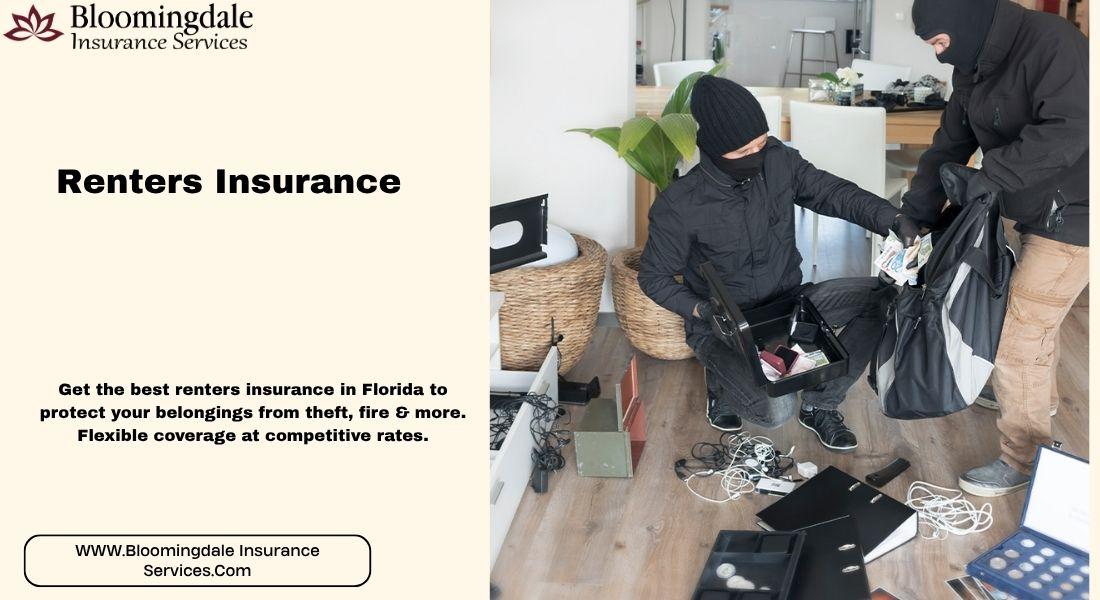
Why Renters Insurance Matters for Modern Renters
Renting a home or apartment can offer flexibility without the responsibilities of owning a property. However, renters still face risks involving personal belongings, accidents, theft, fire, and unexpected displacement. Renters Insurance can help eligible renters manage certain covered losses and liability situations. Bloomingdale Insurance Services helps renters understand coverage options and choose protection that fits their circumstances.
Many people assume their landlord's insurance protects everything inside the rental. Usually, the landlord's policy focuses on the building and the owner's interests. It generally does not provide the same protection for a tenant's personal belongings.
That makes renters insurance an important consideration for people living in apartments, rental houses, condominiums, and other leased properties.
What Is Renters Insurance?
Understanding the Basic Protection
Renters Insurance is designed to provide coverage for qualifying personal property and certain liability risks associated with renting a home.
Depending on the policy, coverage may help with eligible losses involving:
- Furniture
- Clothing
- Electronics
- Appliances
- Personal belongings
- Jewelry
- Certain sporting equipment
- Certain household items
- Personal liability
- Additional living expenses
Coverage varies between insurers and policies. Renters should always review limits, deductibles, exclusions, conditions, and covered causes of loss.
Why Tenants Should Consider Coverage
A renter may not own the building, but they can still have thousands of dollars worth of belongings inside it.
Imagine replacing a laptop, television, furniture, clothing, kitchen equipment, and other possessions after a qualifying covered event. The total cost can quickly become significant.
Renters Insurance can provide a financial safety net for eligible covered losses, subject to the policy terms.
Key Benefits of Renters Insurance
Personal Property Protection
One of the primary benefits of Renters Insurance involves protection for eligible personal belongings.
Covered causes of loss may vary, but policies can address qualifying situations such as certain theft, fire, or other covered events.
Before choosing coverage, create a realistic estimate of the value of everything you own.
Liability Protection
Renters can face liability claims too.
For example, a visitor could suffer an injury inside a rental property. A renter might also accidentally cause covered damage to another person's property.
Liability coverage may help with certain qualifying claims, subject to policy limits and conditions.
Additional Living Expenses
A serious covered event could temporarily make a rental home unlivable.
Depending on the policy, additional living expense coverage may help with certain increased costs while you stay somewhere else during eligible repairs.
This can include qualifying expenses such as temporary lodging and other necessary costs.
What Does Renters Insurance Cover?
Personal Belongings
Personal property coverage can protect eligible belongings against covered causes of loss.
Consider creating an inventory that includes:
| Item Category | Examples |
|---|---|
| Electronics | Laptops, televisions, tablets, cameras |
| Furniture | Sofas, beds, tables, desks |
| Clothing | Everyday clothing, shoes, coats |
| Kitchen Items | Cookware, appliances, utensils |
| Jewelry | Rings, necklaces, watches |
| Entertainment | Gaming systems, speakers, media equipment |
| Sports Equipment | Bicycles, fitness equipment, recreational gear |
| Personal Items | Books, decorations, collectibles |
The exact protection depends on the policy.
Personal Liability
Personal liability coverage can provide protection for certain covered claims involving bodily injury or property damage for which you may be legally responsible.
Liability limits matter. A renter should understand how much coverage the policy provides and whether additional protection makes sense.
Loss of Use
If a covered event makes your rental temporarily uninhabitable, loss-of-use or additional living expense coverage may help with qualifying expenses.
Ask about the applicable limits and requirements before selecting a policy.
Apartment Insurance for Florida Renters
Protection for Apartment Living
Apartment living comes with unique considerations.
Tenants may share walls, ceilings, hallways, parking areas, and other spaces with neighboring residents. An accident in one apartment can sometimes affect another unit.
Apartment Insurance can help renters consider protection for personal property and liability risks within their rental environment.
Understanding the Landlord's Policy
Your landlord may carry insurance on the apartment building.
That policy generally protects the landlord's property and financial interests. It does not automatically replace your personal belongings.
Renters should ask what their own policy covers instead of assuming the landlord's insurance provides complete protection.
Rental Property Insurance and Tenant Protection
Do Not Confuse Tenant Coverage With Landlord Coverage
Rental Property Insurance can refer to coverage designed around a property owner's rental investment. Renters have different insurance needs.
A landlord may need protection for the building, rental-related liability, and other ownership risks.
A tenant typically needs protection for personal belongings, personal liability, and potentially additional living expenses.
Understanding this distinction helps both landlords and tenants choose appropriate insurance.
Why Renters Need Their Own Policy
If you rent a house, the property owner remains responsible for the building under their own insurance arrangements.
Your furniture, electronics, clothing, and other possessions remain your responsibility.
A renters policy can help address eligible losses involving those possessions.
How to Find Suitable Renters Insurance Quotes
Start With an Inventory
Before requesting Renters insurance quotes, make a list of your major possessions.
Include approximate replacement values where possible.
For expensive items, keep receipts, photographs, serial numbers, appraisals, or other documentation.
Compare Coverage, Not Just Price
When reviewing Renters insurance quotes, compare the complete policy.
Look at:
- Personal property limits
- Liability limits
- Deductible
- Covered causes of loss
- Additional living expenses
- Replacement cost options
- Actual cash value provisions
- Special limits
- Exclusions
- Optional coverage
A cheaper policy may offer lower limits or different coverage conditions.
Consider Replacement Cost
Some policies may offer replacement cost coverage for eligible personal property.
Other policies may use actual cash value, which can account for depreciation.
Ask how the policy values your belongings before choosing coverage.
Finding the Cheapest Renters Insurance
Cheapest Does Not Always Mean Best
Many renters search for the Cheapest Renters Insurance because they want to control monthly expenses.
Price matters, but it should not become the only deciding factor.
A very inexpensive policy may provide lower limits or a higher deductible.
Instead, look for a balance between affordability and useful protection.
Ways to Manage Your Premium
Depending on the insurer and policy, renters may discuss options such as:
- Selecting an appropriate deductible
- Installing qualifying safety devices
- Maintaining good insurance history
- Bundling eligible policies
- Reviewing unnecessary coverage
- Comparing available insurance options
- Keeping accurate personal information
Availability varies by insurer.
How Much Renters Insurance Do You Need?
Estimate Your Belongings
Start by calculating what it would cost to replace your possessions.
Do not rely only on memory.
Walk through every room and record your belongings.
Think about:
- Bedroom furniture
- Clothing
- Kitchen equipment
- Electronics
- Home office equipment
- Jewelry
- Appliances
- Sporting goods
- Decorations
- Collectibles
Small purchases can add up quickly.
Consider Valuable Items Separately
Certain valuable possessions may have special limits under a standard renters policy.
Examples can include jewelry, collectibles, firearms, musical instruments, or other high-value property.
Ask whether additional coverage or scheduling options may apply.
Renters Insurance for Students
Protecting Belongings Away From Home
Students may live in apartments, rented houses, dormitories, or shared housing.
Their belongings can include laptops, tablets, phones, clothing, bicycles, furniture, and school equipment.
Whether a particular policy covers a student's property depends on the student's living arrangement and policy terms.
Students should review their situation carefully instead of assuming coverage automatically applies.
Renters Insurance for Families
More People Can Mean More Property
Families often have more belongings than individuals.
Children may have electronics, sports equipment, toys, bicycles, clothing, and school supplies.
A family should consider the total value of eligible personal property when selecting coverage.
Liability Considerations for Families
Families may also face additional liability considerations.
Children, pets, guests, and frequent visitors can increase the number of situations where an accidental incident could occur.
Appropriate liability coverage can help address certain qualifying claims.
Renters Insurance for Pet Owners
Pets Can Create Liability Concerns
Pets can provide companionship but may also create potential liability situations.
A dog could accidentally injure someone or damage another person's property.
Coverage for animal-related incidents varies significantly by policy and insurer.
Ask specific questions about your pet before purchasing coverage.
Common Renters Insurance Mistakes
Assuming the Landlord Covers Your Belongings
This is one of the most common misconceptions.
The landlord's policy generally does not replace a tenant's personal property.
Review your own coverage needs instead.
Choosing Coverage Without an Inventory
Without an inventory, it can be difficult to estimate how much personal property coverage you need.
Document your belongings before purchasing a policy.
Selecting a Policy Only by Premium
The lowest premium may not provide the protection you expect.
Always compare limits, deductibles, exclusions, and coverage features.
Forgetting to Update Your Policy
Your insurance needs can change after moving, purchasing expensive electronics, getting married, adding valuable possessions, or changing your living situation.
Review your policy whenever your circumstances change.
How to Prepare for a Potential Claim
Keep Important Documents
Store your policy information, receipts, photographs, and inventory in a secure location.
Digital backups can provide additional convenience.
Photograph Your Belongings
Take photographs of valuable items.
Record serial numbers when available.
For high-value property, maintain appraisal or purchase documentation.
Report Incidents Promptly
If a covered event occurs, follow your insurer's claim reporting requirements.
Keep records of communications, receipts, temporary expenses, and other relevant documentation.
Why Work With Bloomingdale Insurance Services?
Personalized Guidance
Insurance policies can contain unfamiliar terms and conditions.
Bloomingdale Insurance Services helps renters review their options and understand important coverage considerations.
Instead of choosing a policy based only on price, renters can consider their belongings, lifestyle, rental property, and financial priorities.
Coverage for Different Rental Situations
Every renter has a different situation.
An apartment tenant may have different needs from someone renting a single-family home.
A student may need different considerations from a family with children.
A renter with expensive jewelry or electronics may also need to discuss additional protection.
Practical Tips for Better Renters Insurance Decisions
Review Your Deductible
A deductible affects the amount you may pay out of pocket after a covered loss.
Make sure you understand the amount before selecting a policy.
Review Liability Limits
Think about your financial situation and potential liability exposure.
Ask whether your selected liability limit provides suitable protection for your circumstances.
Understand Exclusions
No insurance policy covers everything.
Read the exclusions and ask questions about situations that could affect your coverage.
Review Your Policy Annually
An annual review can help ensure your policy remains aligned with your belongings and lifestyle.
Update your information after major changes.
Conclusion
Renting a home gives you flexibility, but it does not remove the need to protect your belongings and financial interests. Renters Insurance can help eligible tenants manage covered property losses, liability claims, and certain additional living expenses.
Whether you live in an apartment, rented house, or another qualifying residence, take time to understand your coverage. Compare Renters insurance quotes based on more than price. Review personal property limits, liability protection, deductibles, exclusions, and additional living expense coverage.
If affordability matters, compare options carefully rather than automatically choosing the Cheapest Renters Insurance. The right balance between price and protection can provide more useful financial security.
For renters who want help reviewing their options, Bloomingdale Insurance Services can provide guidance on coverage considerations and help you make a more informed insurance decision.
Frequently Asked Questions
What does Renters Insurance cover?
Renters Insurance may cover eligible personal belongings, personal liability claims, and additional living expenses after qualifying covered events. Exact coverage depends on the policy.
Is Apartment Insurance different from Renters Insurance?
Apartment Insurance is often used to describe insurance for people renting apartments. The coverage itself may function as a renters policy. Always review the specific policy terms.
Does Rental Property Insurance protect a tenant's belongings?
Rental Property Insurance generally refers to coverage designed for property owners and their rental investments. Tenants typically need their own Renters Insurance for personal property and liability protection.
How can I compare Renters insurance quotes?
When comparing Renters insurance quotes, review premiums, deductibles, property limits, liability limits, covered causes of loss, exclusions, and additional living expense coverage.
How can I find the Cheapest Renters Insurance?
To find the Cheapest Renters Insurance, compare multiple options while also checking coverage limits and deductibles. The lowest premium may not provide adequate protection for your needs.

 English
 Arabic
 French
 Portuguese
 Deutsch
 Turkish
 Dutch
Dutch
 Italiano
 Russian
 Romaian
 Portuguese (Brazil)
 Greek
Greek