
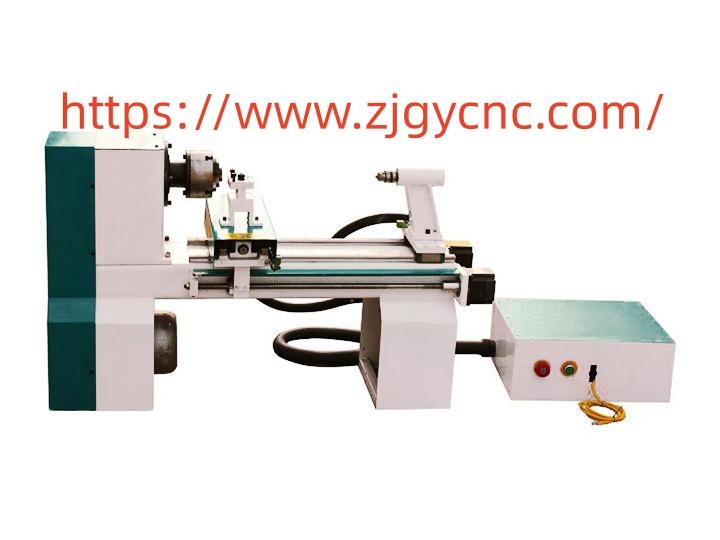
CNC Lathe with Automation can help manufacturers reduce the amount of repetitive manual work involved in routine machining activities. Instead of requiring an operator to perform every loading, positioning, processing, and unloading action individually, an automated arrangement can coordinate selected tasks within a planned sequence. This approach is useful for workshops handling recurring parts, regular production batches, or jobs that require similar procedures over an extended period.
Manual involvement remains important in machining, but repeated physical actions can occupy a significant portion of the working day. Operators may need to move materials, prepare workpieces, check positions, remove finished parts, and restart the next cycle. When some of these activities are organized through automated functions, personnel can spend more time on setup, inspection, process adjustment, and other tasks that require direct attention.
Reducing Repetitive Loading and Unloading
One area where automation can save time is workpiece handling. Repeated loading and unloading can become a regular part of batch production, particularly when many components follow a similar machining route. A coordinated handling system can move parts according to programmed instructions and maintain a regular sequence between cycles.
This does not remove the need for preparation. Materials still need to be selected, checked, and arranged according to the production plan. However, reducing repeated hand movements during ongoing processing can make the workflow easier to manage.
For manufacturers producing the same component over multiple cycles, a stable handling sequence may also reduce interruptions caused by inconsistent timing between operators.
Supporting Continuous Production
Production often slows when one stage must wait for another. A machine may finish processing while an operator is occupied elsewhere, creating a pause before the next workpiece is prepared. Automated arrangements can help connect these stages by continuing selected actions according to the established process.
Continuous operation is particularly relevant for jobs with predictable procedures. Once the workpiece requirements, tooling arrangements, and processing steps have been reviewed, repeated cycles can follow a planned pattern.
This can help workshops organize working hours more effectively. Instead of concentrating attention on every repeated movement, operators may monitor several aspects of the production process and respond when adjustments or inspections are required.
Allowing Operators to Focus on Process Control
Automation is not simply about reducing physical activity. It can also change how operators spend their time.
During conventional repetitive production, experienced workers may perform the same handling steps many times throughout a shift. By reducing some routine actions, manufacturers can direct more attention toward tooling conditions, dimensional checks, material changes, and process observations.
This can be particularly useful when production requirements involve several part types or changing schedules. Human experience remains necessary for reviewing unexpected conditions and making practical decisions. Automated functions can handle defined routines while operators focus on areas requiring judgment.
Zjgycnc can provide machining solutions for businesses considering different levels of automated production according to their processing requirements and workflow arrangements.
Matching Automation to Production Volume
Not every workshop requires the same degree of automation. A facility producing large batches of similar components may have different needs from a smaller workshop handling varied orders.
Before choosing an automated configuration, manufacturers can consider several factors. These may include the number of parts produced during a typical run, how often workpieces change, the amount of operator involvement required, and the available floor space.
A practical solution should fit the actual production environment. Adding functions that do not match the working routine may create unnecessary complexity, while an arrangement designed around real tasks can support a more organized process.
Improving Workflow Between Production Stages
Manual operation time is also affected by activities outside the cutting cycle. Material preparation, part movement, inspection, and temporary storage can all influence the overall pace of production.
Automation can work alongside these activities by creating clearer connections between stages. When the machining sequence follows a planned rhythm, supporting tasks can also be scheduled more effectively.
For example, operators may prepare upcoming materials while current components are being processed. Inspection routines can be organized around completed batches rather than requiring constant interruption. This kind of workflow planning can reduce unnecessary waiting and help different stages work together.
Considering Safety and Monitoring
Reducing manual handling can also change how workers interact with moving parts and equipment. Automated systems should still be used with appropriate safety procedures, operator training, and regular monitoring.
Production managers need to consider access areas, maintenance requirements, emergency procedures, and the specific characteristics of each application. Automation should be treated as part of a complete production arrangement rather than as an isolated feature.
Regular inspection and maintenance can also help keep mechanical and control systems operating according to their intended conditions.
A Practical Approach for Modern Workshops
The value of automation often depends on how well it matches daily production needs. Some businesses may focus on reducing repeated handling, while others may want smoother scheduling between machining stages. A careful review of existing workflows can help identify where manual time is being spent and which tasks may be suitable for automated support.
Zjgycnc works with different machining requirements and production arrangements, allowing manufacturers to consider solutions based on their own processing routines. By examining component characteristics, batch patterns, operator responsibilities, and workflow goals, businesses can build a more organized approach to daily production.
For manufacturers considering automation as part of their machining development, product options and related solutions can be viewed through https://www.zjgycnc.com/product/

 English
 Arabic
 French
 Spanish
 Portuguese
 Deutsch
 Dutch
Dutch
 Italiano
 Russian
 Romaian
 Portuguese (Brazil)
 Greek
Greek