
The Bedrock of the Modern Digital Age
In an era defined by data, the unseen yet indispensable framework that powers our connected world is the data center. At the heart of this digital engine lies a complex and robust ecosystem of physical components, collectively known as data center infrastructure. This is not merely about the servers that process information but encompasses the entire physical environment required to support them. The global Data Center Infrastructure industry is the foundational sector responsible for designing, building, and maintaining these critical facilities. It includes everything from the power systems that guarantee uninterrupted operation and the sophisticated cooling solutions that prevent catastrophic overheating, to the racks that house the equipment and the software that manages it all. The industry's importance cannot be overstated; every cloud service, AI computation, financial transaction, and streaming video relies on the resilience and efficiency of this underlying infrastructure. As digital transformation accelerates across all sectors of the economy, the demand for more powerful, efficient, and scalable data center infrastructure continues to surge, cementing its role as the critical backbone of global commerce and communication. This industry is the physical manifestation of the cloud.
Core Components and Foundational Categories
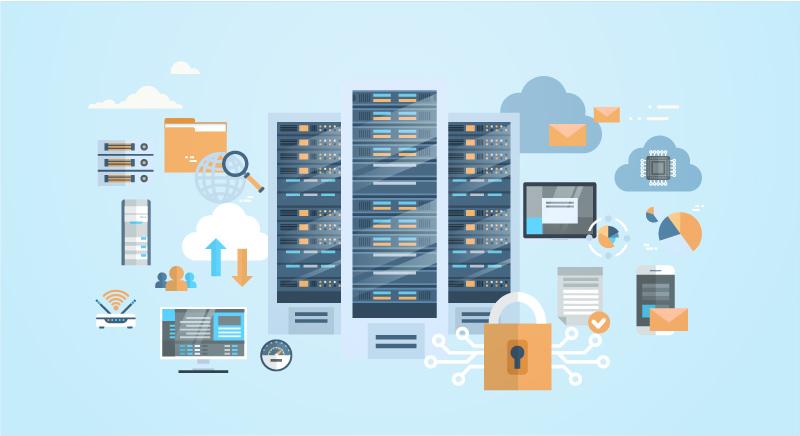
Data center infrastructure is broadly categorized into several key components that work in synergy to create a functional and resilient operational environment. The first and most critical is the power infrastructure. This includes uninterruptible power supplies (UPS), power distribution units (PDUs), switchgear, and backup generators, all designed to provide clean, consistent, and reliable electricity to the IT load, even during utility outages. The second pillar is cooling infrastructure, which manages the immense heat generated by servers and networking gear through systems like computer room air conditioners (CRACs), chillers, and increasingly, advanced liquid cooling solutions. The third component is the IT infrastructure itself, which comprises the servers, storage arrays, and networking equipment (switches, routers) that perform the core computational tasks. Finally, all these physical elements are housed within physical racks and enclosures and are overseen by a crucial management layer. This is typically handled by Data Center Infrastructure Management (DCIM) software, which provides real-time monitoring, analytics, and automation capabilities to optimize performance, energy consumption, and overall operational health. The seamless integration of these four pillars—power, cooling, IT, and management—defines the modern data center.
Major Market Segments by End-User
The data center infrastructure industry serves a diverse range of end-users, each with unique requirements and procurement models, creating distinct market segments. The most prominent segment is the hyperscale data center market, operated by tech giants like Amazon, Google, Microsoft, and Meta. These users require infrastructure on an immense scale, prioritizing efficiency, customizability, and the lowest possible total cost of ownership (TCO). They often co-design equipment with manufacturers and leverage open standards like the Open Compute Project (OCP) to drive innovation and reduce costs. The second major segment is the colocation provider market. Companies like Equinix and Digital Realty build and operate large data centers, leasing space, power, and connectivity to multiple enterprise customers. Their infrastructure must be highly reliable, secure, and flexible to accommodate the diverse needs of their tenants. The third segment is the traditional enterprise data center, owned and operated by a single organization for its internal IT needs. While this segment is maturing, it remains significant, with a focus on security, control, and integration with existing legacy systems. Finally, the burgeoning edge computing segment represents a new frontier, requiring compact, ruggedized, and remotely manageable micro-data center infrastructure to support low-latency applications.
Driving Economic and Technological Forces
The relentless growth of the data center infrastructure industry is propelled by several powerful and interconnected global trends. The primary driver is the exponential growth of data, fueled by the proliferation of IoT devices, big data analytics, social media, and video streaming. This data must be stored, processed, and analyzed, creating a continuous demand for new infrastructure capacity. The mass migration of businesses to cloud computing platforms is another major catalyst, shifting infrastructure spending from on-premise enterprise data centers to massive hyperscale and colocation facilities. Furthermore, the dawn of transformative technologies like Artificial Intelligence (AI), machine learning, and 5G is placing unprecedented demands on computing power, which in turn requires denser and more powerful infrastructure. AI workloads, in particular, necessitate specialized hardware and advanced cooling solutions, driving significant new investment. Concurrently, there is a strong push towards sustainability and energy efficiency, compelling operators to invest in modern infrastructure that minimizes environmental impact and reduces operational costs, further stimulating innovation and market growth. These forces combine to create a dynamic and rapidly expanding market.
Explore More Like This in Our Reports:

 English
 Arabic
 Spanish
 Portuguese
 Deutsch
 Turkish
 Dutch
Dutch
 Italiano
 Russian
 Romaian
 Portuguese (Brazil)
 Greek
Greek