
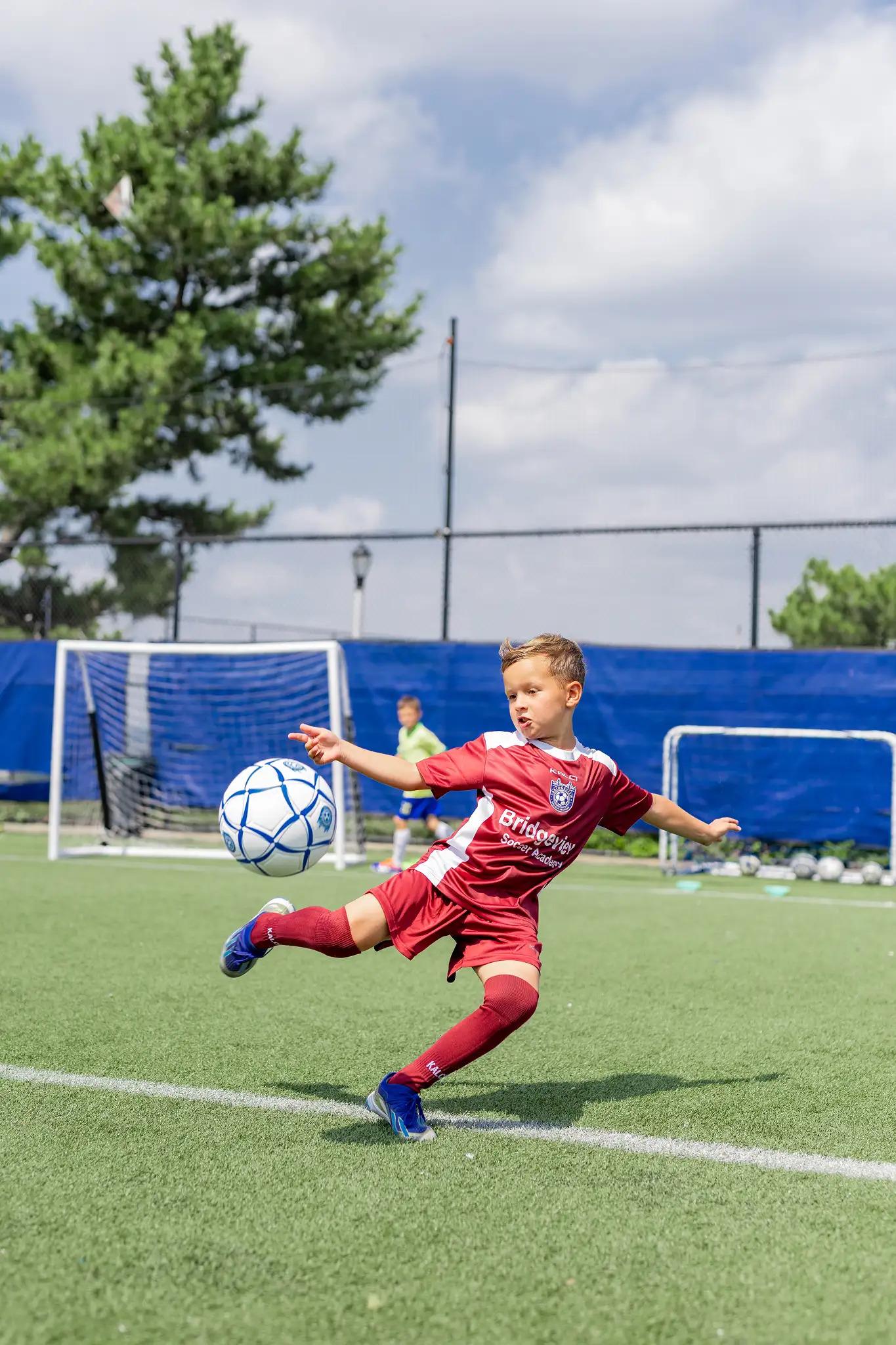
Choosing the right soccer coach can make a meaningful difference in a child’s development. For young players, coaching is not only about learning how to dribble, pass, or score. A good coach creates an environment where children feel encouraged to learn, comfortable making mistakes, and motivated to improve. In a busy and competitive city like New York, finding a coach who understands both soccer development and the needs of young athletes is especially important.
Why the Right Coach Matters
A coach can influence how a child feels about soccer from the very beginning. Positive coaching can turn practice into an exciting learning experience, while the wrong approach may make children feel pressured or discouraged.
A great youth coach helps players:
- Develop fundamental soccer skills
- Build confidence
- Improve coordination and fitness
- Understand teamwork
- Develop discipline and focus
- Learn sportsmanship
- Enjoy being active
The goal should be to help children become better players while creating a lasting love for the sport.
Look for Age-Appropriate Coaching
Children develop at different speeds, so soccer training should match their age and experience. Younger players usually benefit from fun games, simple drills, and activities that introduce basic movement and ball skills. As children grow, training can gradually become more structured and focused on technique, tactics, and game awareness.
Training Should Be Fun and Engaging
For young athletes, enjoyment is an important part of learning. Coaches can use small-sided games, challenges, passing activities, shooting exercises, and creative drills to keep children interested.
When children enjoy training, they are more likely to participate consistently and remain motivated to improve.
Technical Skills Are Only Part of Development
A strong coach understands that youth soccer development involves more than technical ability. Players also need to learn how to communicate, make decisions, handle mistakes, and work with teammates.
Important Skills to Develop
| Skill Area | What Players Learn |
| Ball Control | Confidence with the ball |
| Dribbling | Movement and creativity |
| Passing | Communication and teamwork |
| Shooting | Accuracy and technique |
| Agility | Balance and quick movement |
| Game Awareness | Decision-making and positioning |
| Teamwork | Cooperation and communication |
Confidence Should Come Before Pressure
Young players need encouragement to experiment and learn. Mistakes are a natural part of development, and a supportive coach helps children understand that every mistake can become a learning opportunity.
Instead of focusing only on winning, effective coaches recognize effort, improvement, teamwork, and good decision-making. This approach helps children become more confident and resilient.
Communication Makes a Difference
A coach should be able to communicate clearly with both players and parents. Children need instructions that are easy to understand, while parents benefit from knowing how their child is progressing.
A positive coach listens to players, answers questions, provides constructive feedback, and creates an environment where children feel respected.
Developing Teamwork and Life Skills
Soccer naturally teaches children how to work toward a shared goal. During practices and games, young players learn to pass, communicate, support teammates, and respect opponents.
These lessons can extend beyond soccer. Responsibility, patience, leadership, cooperation, and discipline are valuable skills that children can use at school, at home, and in future activities.
Finding the Right Soccer Coach in NYC
New York offers many opportunities for youth soccer, but parents should look beyond location when choosing a program. Consider the coach’s experience, training approach, communication style, environment, and ability to work with children.
A good soccer program should provide:
- Experienced youth coaches
- Safe and organized training
- Age-appropriate activities
- Individual encouragement
- Opportunities for teamwork
- A positive learning environment
- Clear communication with families
Bridgeview Soccer: Supporting Young Players
At Bridgeview Soccer, the focus is on helping young athletes learn and grow in a welcoming environment. Our programs for children ages 5–13 combine professional coaching with engaging activities designed to develop soccer skills, confidence, teamwork, fitness, and sportsmanship.
Players can work on fundamentals such as dribbling, passing, shooting, ball control, agility, and game awareness while learning how to communicate and cooperate with teammates. Coaches encourage players to improve at their own pace and enjoy every stage of their soccer journey.
Whether your child is discovering soccer for the first time or looking to strengthen existing skills, the right coaching environment can help make the experience rewarding and enjoyable.
Conclusion
Finding the right coach is an important step in shaping your child’s soccer journey. The best coaches combine technical knowledge with patience, encouragement, communication, and a genuine interest in youth development. They help children improve their soccer abilities while teaching confidence, teamwork, discipline, and sportsmanship.
For families looking for a supportive youth soccer experience in Brooklyn and NYC, Bridgeview Soccer provides an environment where young players can learn, play, build confidence, and grow through the game.

 English
 Arabic
 French
 Spanish
 Portuguese
 Deutsch
 Turkish
 Dutch
Dutch
 Italiano
 Russian
 Portuguese (Brazil)
 Greek
Greek