
A single delayed shipment from an unreliable oil and gas equipment supplier can push a maintenance window back by weeks and cost far more than the part itself was ever worth. Operators across the UAE's energy sector know this risk well, which is why supplier selection is treated as seriously as the engineering specs on the equipment itself. This article breaks down what separates a dependable supplier from a risky one, and what to check before signing a purchase order.
Why Supplier Reliability Is a Safety Issue, Not Just a Logistics One
In upstream and midstream operations, equipment failure isn't just an inconvenience — it can shut down a facility or create a genuine safety hazard. Valves, seals, fittings, and structural components all have to perform under pressure, heat, and often corrosive conditions, so a part sourced from an unverified supplier introduces risk that goes well beyond a missed deadline. Reputable suppliers understand this and build their processes around traceability: every component should be traceable back to a specific material batch, a specific inspection record, and a specific machinist or technician who signed off on it.
This matters most when something eventually goes wrong. If a valve fails in the field, an operator needs to trace it back to a batch number within hours, not days, to determine whether other units from the same run need to be pulled and inspected. Suppliers who can't produce that paperwork quickly are effectively asking their customers to accept an open-ended liability, which is a far bigger cost than any savings on the initial purchase price.
What to Look for in a Qualified Supplier
Before committing to a long-term vendor relationship, buyers should evaluate a few concrete criteria rather than relying on a sales pitch alone.
-
Certifications and compliance — look for API, ISO, or equivalent industry certifications relevant to the equipment category
-
Material traceability — the supplier should provide mill certificates and batch records on request
-
In-house inspection capability — dimensional checks and pressure testing shouldn't be outsourced as an afterthought
-
Track record in the region — experience with UAE regulatory and environmental conditions matters more than a generic global portfolio
A supplier that treats these as standard practice, rather than a special request, is generally the safer long-term choice. It's also worth asking how a supplier handles non-conformance — a shop that can walk you through a specific example of catching and correcting a defective batch before it shipped is usually more trustworthy than one that claims a flawless record with no supporting detail.
The Role of Precision Parts Manufacturing in Equipment Reliability
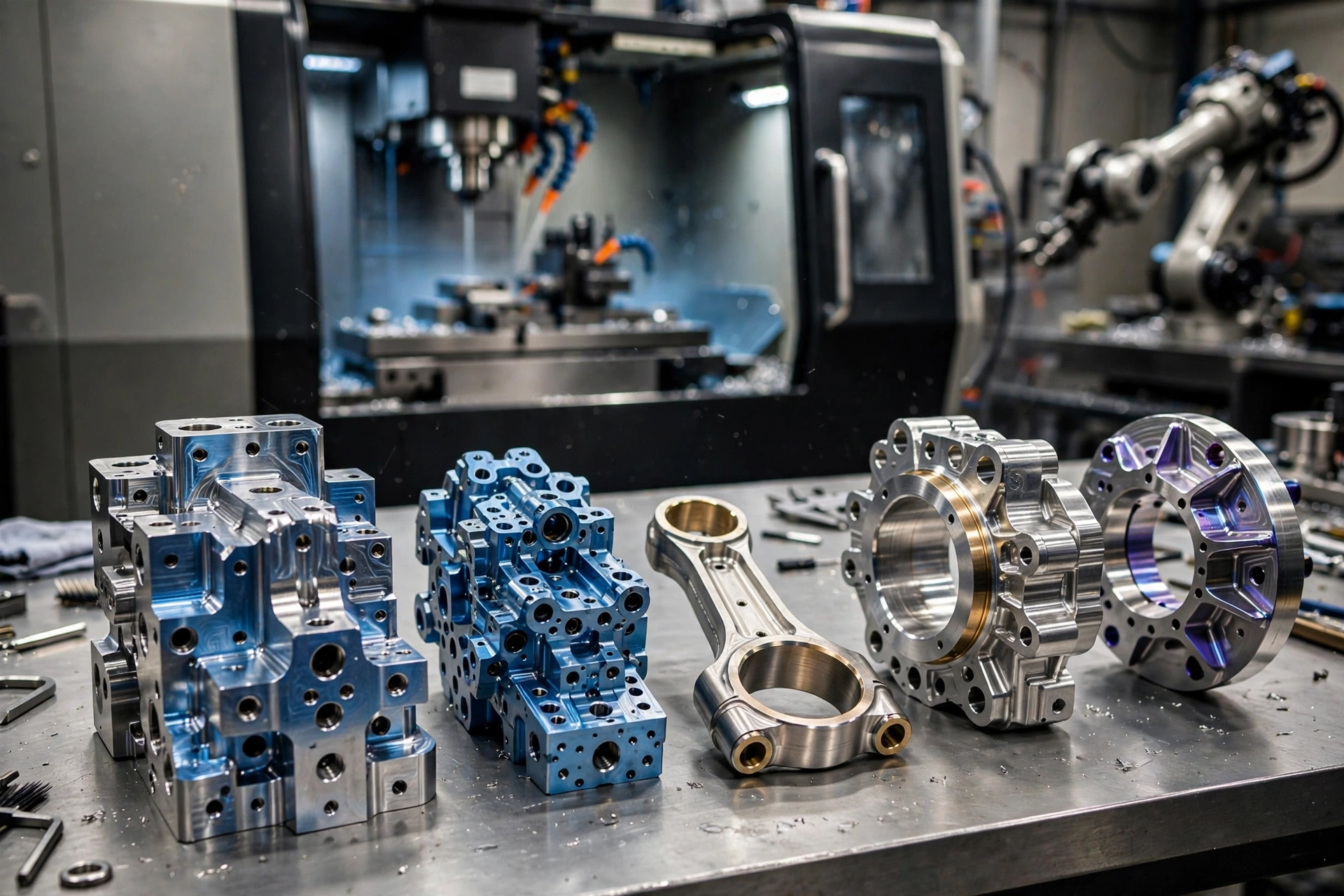
Much of what determines whether oilfield equipment performs reliably comes down to how precisely its individual components were manufactured. A pump housing machined slightly out of round, or a valve seat with an inconsistent surface finish, can cause leaks or premature wear long before the equipment reaches the end of its expected service life. This is why the strongest suppliers pair their sourcing and logistics capabilities with genuine precision parts manufacturing expertise in-house, rather than simply reselling components made elsewhere with no visibility into how they were produced. When a supplier controls the manufacturing process directly, they can also respond faster to custom or replacement part requests instead of waiting on a third-party production queue. This is especially valuable for legacy equipment that's no longer supported by the original manufacturer, where a supplier with in-house machining capability can often reverse-engineer and produce a replacement part in a fraction of the time it would take to source one through conventional channels.
Building a Long-Term Supply Relationship That Actually Works
The most efficient oil and gas operations tend to work with a small number of trusted suppliers rather than constantly re-bidding every order to the lowest quote. This approach lets the supplier build genuine familiarity with a facility's equipment history, common failure points, and preferred specifications, which speeds up future orders considerably. Regular communication also matters here — a supplier who flags a potential lead-time issue two weeks in advance is far more valuable than one who only responds once a shipment is already late. Treating procurement as a relationship rather than a series of one-off transactions tends to pay off in both cost and reliability over time. It also gives operators more leverage during periods of high demand, when suppliers with limited capacity often prioritize the customers they know best over new or infrequent buyers placing rush orders.
Conclusion
Choosing an oil and gas equipment supplier is ultimately a risk-management decision as much as a cost one, and the suppliers worth working with are the ones who can demonstrate certification, traceability, and genuine precision parts manufacturing capability rather than just competitive pricing. If your facility is reassessing its supplier list, it's worth starting the conversation with a site visit or a request for recent inspection documentation before any commitment is made.
FAQs
1. What certifications should an oil & gas equipment supplier hold?
Apart from ISO 9001, look for relevant API certifications, which may vary depending on the type of equipment that you will be looking for.
2. How important is local UAE experience compared to international suppliers?
Experience in the local market is a very important factor since suppliers with knowledge about local regulations, climate, and logistics can make a quicker delivery without problems with compliance.
3. Can suppliers manufacture custom replacement parts, or only stock standard items?
Suppliers with precision machine tools in their facilities can manufacture custom or legacy replacement parts, whereas resellers are normally limited to their catalogs only.
4. What documentation should I request before placing a large order?
It is reasonable to ask for certificates of materials, inspection documents, and other relevant compliance certificates before purchasing something expensive.
5. How can I verify a supplier's claims about quality control?
One can always request a facility tour or inspection reports of earlier deliveries.

 English
 Arabic
 Spanish
 Portuguese
 Deutsch
 Turkish
 Dutch
Dutch
 Italiano
 Russian
 Romaian
 Portuguese (Brazil)
 Greek
Greek