
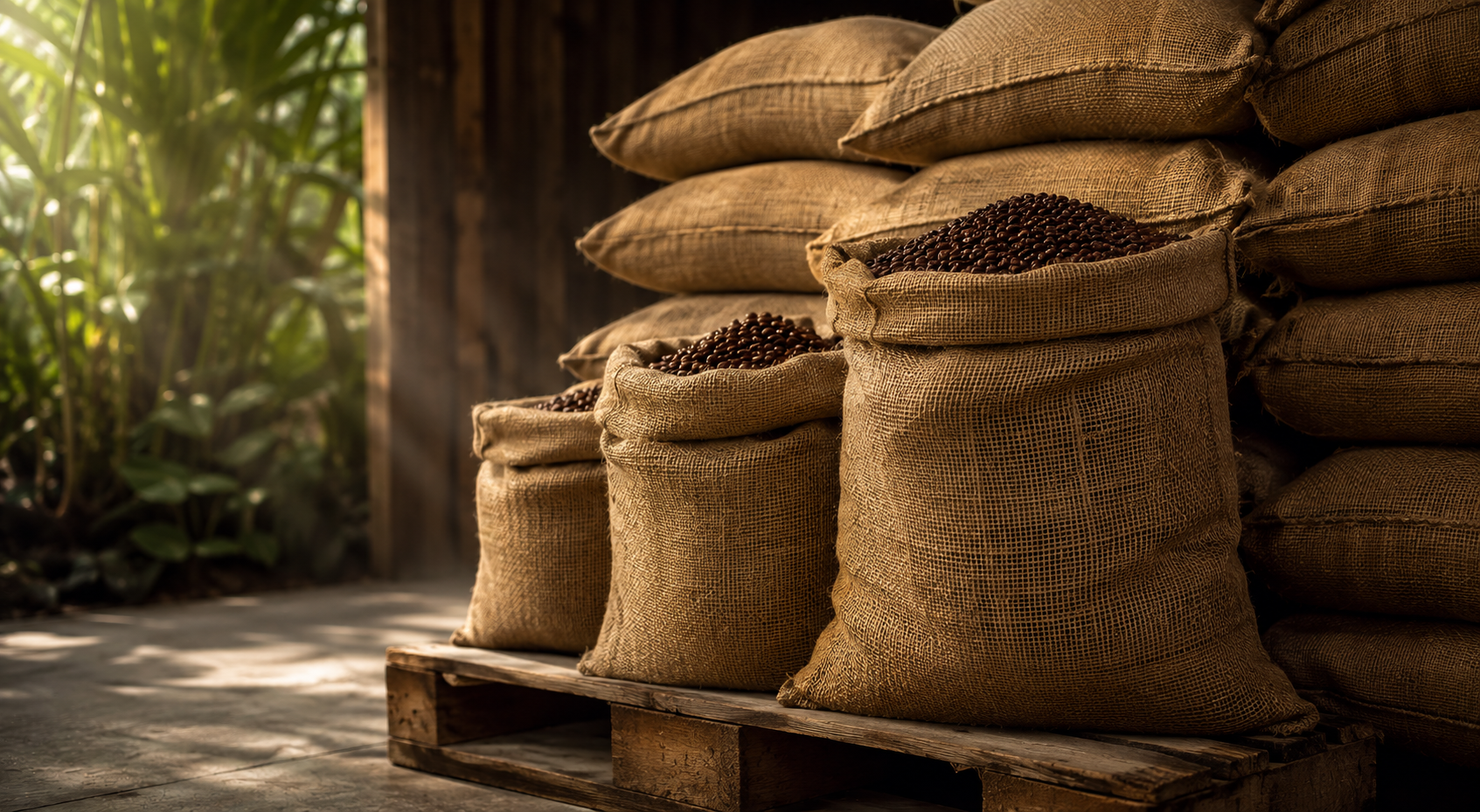
Modern society increasingly embraces sustainability through the adoption of earth friendly materials that reduce environmental impact. Consumers continuously search for reliable alternatives to synthetic plastics that linger in landfills for centuries.Natural fibers have made a remarkable resurgence because they offer exceptional durability combined with complete biodegradability. Artisans and homeowners alike appreciate the rustic aesthetic and practical functionality provided by classic woven textiles.Among these timeless products, burlap sacks stand out as a premier choice for everything from heavy duty agriculture to creative interior design projects.
The global shift toward conscious consumerism highlights the importance of choosing products that respect planetary boundaries. As industrial practices evolve, traditional materials once overshadowed by plastic innovations are reclaiming their rightful place in modern households and commercial enterprises. Understanding the origins, manufacturing processes, and diverse applications of woven natural fibers empowers individuals to make informed purchasing decisions that benefit both personal lifestyle and ecological health.
Exploring the Rich History and Unique Properties of Natural Jute Fibers
Jute represents one of the most versatile and affordable natural vegetable fibers available in the global marketplace. Cultivated primarily in the fertile river deltas of South Asia, the jute plant grows rapidly with minimal requirements for chemical fertilizers or intensive irrigation. Farmers harvest the tall stalks during specific seasonal windows before stripping the fibrous outer layers through a meticulous process known as retting. This traditional method utilizes natural water immersion to soften the outer stem, allowing skilled workers to extract the golden silky threads that form the foundation of hessian fabric.
The resulting yarn exhibits remarkable tensile strength while maintaining a breathable structure that allows optimal airflow. Unlike synthetic polymers that trap moisture and encourage bacterial growth, woven vegetable fibers naturally regulate humidity levels surrounding stored contents. This exceptional permeability prevents condensation buildup, making woven containers ideal for storing agricultural harvests, perishable grains, and moisture sensitive commodities. Furthermore, the inherent toughness of the weave ensures resistance against tearing and physical stress during transportation and handling operations.
Agricultural Excellence and Crop Protection Through Woven Hessian Containers
Agricultural sectors around the world rely heavily on woven natural containers for harvesting, storing, and transporting various crops. Root vegetables such as potatoes, carrots, and onions require dark and well ventilated environments to prevent premature sprouting and fungal decay. Storing these harvests inside woven sacks protects the produce from direct sunlight while facilitating continuous air circulation throughout the storage facility. Coffee beans and cocoa harvests likewise depend on breathable packaging to preserve delicate aromatic profiles during long sea voyages across international trade routes.
Beyond storage and transport, farmers utilize these durable textiles for specialized land management and erosion control projects. Laying woven fabric across sloping hillsides stabilizes vulnerable topsoil against heavy rainfall while seeds germinate safely beneath the protective mesh layer. Construction sites and municipal landscaping projects similarly employ these natural blankets to retain moisture in newly seeded lawns until robust vegetation establishes deep root systems. The material eventually decomposes naturally into the soil, enriching the earth with organic matter without leaving synthetic residue behind.
Innovative Home Decor and Rustic Crafting Ideas for Interior Spaces
Interior designers and DIY enthusiasts constantly discover novel ways to incorporate rustic textures into contemporary living spaces. The earthy tone and organic texture of woven fabric provide a warm counterbalance to sleek metallic finishes and modern minimalist architecture. Homeowners frequently transform natural sacks into unique cushion covers, table runners, and decorative wall hangings that infuse rooms with cozy charm. Holiday celebrations and wedding receptions frequently feature hessian table settings, favor bags, and floral wraps that create an inviting atmosphere for guests.
Crafting projects utilizing woven textiles offer endless opportunities for personal expression and artistic customization. Creators can stamp floral motifs, monogram initials, or custom typography onto the fabric surface using non toxic textile paints. Transforming ordinary storage baskets into stylish organizational bins by lining them with natural weave adds both visual interest and practical utility to mudrooms, living areas, and children playrooms. The adaptability of the material allows crafters to cut, sew, and mold the fabric into custom shapes tailored to exact spatial requirements.
Efficient Storage Solutions for Household Items and Seasonal Gear
Maintaining an organized household often requires durable storage solutions that combine functional utility with aesthetic appeal. Woven containers provide an exceptional option for organizing firewood near indoor fireplaces, keeping logs contained while allowing residual moisture to evaporate safely. Seasonal clothing, wool blankets, and winter accessories stored inside breathable sacks remain fresh and protected from moth damage without requiring harsh chemical mothballs. The natural porosity of the fabric ensures that stale odors do not accumulate during extended periods of inactivity in attics or basements.
Garage organization and workshop management also benefit immensely from the rugged nature of heavy woven sacks. Homeowners can store garden tools, sports equipment, and miscellaneous hardware items in sturdy textile bags that withstand rough handling and abrasive surfaces. Unlike plastic bins that crack under extreme temperature fluctuations or heavy weight loads, pliable fabric containers absorb impacts and conform easily to irregular shelf dimensions. This flexibility optimizes vertical storage space and keeps garages neat and orderly throughout changing seasons.
Environmental Advantages and Zero Waste Living with Biodegradable Materials
The environmental crisis caused by single use plastics necessitates a fundamental rethinking of packaging and storage practices worldwide. Synthetic materials persist in natural ecosystems for hundreds of years, fragmenting into microplastics that infiltrate marine life and terrestrial food webs. Choosing biodegradable alternatives such as jute and hessian fabric actively contributes to reducing plastic pollution and preserving natural habitats. At the end of its useful lifespan, a natural fiber sack can be placed directly into a backyard compost bin where microorganisms break down the material completely.
The lifecycle of natural woven products represents a closed loop model of sustainability that aligns perfectly with modern ecological principles. Cultivation of the plant absorbs carbon dioxide from the atmosphere, mitigating greenhouse gas emissions during the growth phase. Processing requires minimal mechanical energy and avoids toxic chemical treatments that harm aquatic ecosystems. By integrating these earth friendly products into daily routines, consumers support regenerative agricultural economies and promote a circular economic model that prioritizes planetary health.
Best Practices for Maintaining and Cleaning Woven Fabric Products
Proper care and maintenance significantly extend the functional lifespan of woven textile items, ensuring maximum value from every purchase. Regular upkeep involves simply shaking out accumulated dust, dirt, and debris outdoors to keep the fibers clean and fresh. If localized stains occur, spot cleaning with mild soap and cold water usually removes blemishes without requiring immersion in harsh washing machine cycles. Submerging natural fibers in water requires gentle handling to prevent excessive shrinkage or distortion of the woven structure.
Drying woven items properly prevents mildew formation and preserves the structural integrity of the natural threads. Hanging damp sacks outdoors in a shaded, well ventilated area allows natural evaporation to occur evenly across the fabric surface. Direct prolonged exposure to harsh sunlight should be avoided to prevent fading of the natural golden brown hue. Storing clean and completely dry sacks in a cool, dark environment ensures they remain ready for future agricultural, decorative, or organizational projects whenever needed.
Sustainable Living and Conscious Home Styling Choices
Modern consumer awareness places significant emphasis on sustainability, durability, and ethical sourcing in home decor products. Choosing items made from natural, renewable plant fibers aligns perfectly with conscious living principles. Unlike synthetic plastics and artificial textiles that persist in landfills for centuries, natural jute decomposes naturally without leaving harmful residues behind.
Supporting sustainable products also means honoring the traditional farming communities and agricultural estates that cultivate these raw materials with care. Many premium agricultural producers implement biodynamic farming practices that protect local soil health, conserve water resources, and support fair labor standards. When you bring authentic estate items into your home, you participate in a global network of ethical production and mindful consumption.
Embracing sustainable styling choices transforms your living space into a sanctuary of mindful design. Every natural texture and organic material serves as a gentle reminder of the interconnected relationship between human habitation and the natural world. By prioritizing authenticity and environmental responsibility, you cultivate a home environment that nourishes both the spirit and the planet.
Celebrating Farm Tradition Through Authentic Estate Artifacts
Displaying genuine estate artifacts honors the generations of farmers and artisans who dedicate their lives to cultivating the earth. These items carry the authentic dust of distant fields, the ink of international shipping ports, and the undeniable character of true working tools. Incorporating such pieces into your personal collection creates a meaningful connection to the global agricultural community.
Appreciating the craftsmanship of traditional farming accessories enriches our understanding of where our food and commodities originate. In an era dominated by mass produced synthetic goods, genuine natural textiles offer a refreshing return to authenticity. They remind us of the beauty found in simple, honest materials crafted by hand and shaped by purpose.
Whether you choose to use these versatile containers for rustic home styling, creative craft projects, or historical display, their timeless appeal remains unmatched. The rich textures, natural durability, and cultural heritage embedded within every single piece make them enduring treasures for any home. Celebrating these traditional agricultural artifacts enriches our daily lives and connects us to the broader tapestry of global agriculture.
Frequently Asked Questions
What are traditional agricultural sacks typically made from?
Traditional agricultural sacks are crafted from natural vegetable fibers extracted from the jute plant, often referred to as hessian or burlap. These fibers are spun into strong yarns and woven into heavy duty, breathable cloth designed to withstand rigorous handling and transport.
Can these natural fabric containers be used for indoor home decoration?
Yes, authentic agricultural containers make fantastic additions to interior decor. Their rich textures, vintage stamps, and rustic aesthetic allow them to be repurposed into wall hangings, accent pillow covers, upholstery, or statement pieces that add warmth to any room.
Are natural jute fabric products environmentally friendly?
Natural jute materials are exceptionally sustainable and responsible. The jute plant grows rapidly with minimal chemical intervention, and the finished textile is completely biodegradable, meaning it breaks down naturally without harming the environment.
How should one clean and maintain natural woven fiber items?
Maintaining natural woven items involves gentle care. You should avoid machine washing or soaking them in water, as excessive moisture can weaken the fibers. Instead, gently shake out dust or spot clean soiled areas with a dry brush or a damp cloth using mild soap.
Where can I find authentic high quality burlap containers?
You can discover authentic, premium quality agricultural containers directly from specialty providers and estate collections that celebrate traditional farming heritage, such as the offerings available through Buddha's Cup.
Conclusion
Incorporating authentic agricultural textiles into your lifestyle bridges the gap between historical farming traditions and contemporary home design. These durable, natural fiber containers offer unmatched versatility for interior stylists, gardeners, and craft enthusiasts alike. By choosing genuine, sustainably sourced materials, you support ethical agricultural practices and bring timeless rustic charm into your personal spaces.

 English
 Arabic
 French
 Spanish
 Portuguese
 Deutsch
 Turkish
 Italiano
 Russian
 Romaian
 Portuguese (Brazil)
 Greek
Greek