
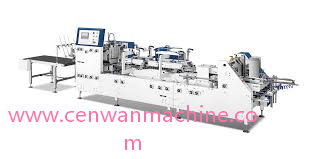
Production floor managers understand that unplanned stops consume profits faster than material waste. A Box Folder Gluer Machine sits at the heart of many packaging lines, transforming flat sheets into finished cartons through precise folding and adhesive application. When this equipment halts unexpectedly, downstream packing stations idle, delivery schedules slip, and overtime expenses climb. cenwanmachine addresses these operational risks through clear maintenance protocols that keep machinery running across shifts. Yet the practical question remains: which specific care procedures effectively prevent the majority of common failures, and how often should each task occur?
Daily inspection routines form the first line of defense against downtime. Operators should start each shift by examining the feeding section for debris accumulation, as paper dust and glue residue interfere with sheet separation accuracy. The folding belts require visual checks for tension consistency and surface wear, since uneven belts cause skewed folds that jam subsequent stations. Glue nozzles demand particular attention; dried adhesive blocks the applicator tips, producing weak bond lines or excessive glue spread. Wiping these nozzles with appropriate solvents after each production run prevents hard buildup that necessitates lengthy cleaning sessions. The transmission chains and gears benefit from quick lubrication checks, though over-oiling attracts dust, so measured application proves essential. These five-minute visual surveys catch developing issues before they escalate into hour-long repairs.
Weekly maintenance deepens the preventive effort beyond surface observations. The glue tank and recirculation system need thorough flushing to remove settled particles that alter viscosity and flow rates. Using manufacturer-recommended cleaning solutions dissolves polymer residues that standard wiping misses. The folding rollers, which experience continuous pressure against box board, should undergo alignment verification using test sheets. Misaligned rollers produce gradual wear patterns on one side, reducing fold accuracy over time. The electrical control cabinet merits inspection for loose terminals and dust infiltration; compressed air cleaning keeps contact points secure and cooling fans efficient. For a Box Folder Gluer Machine equipped with photoelectric sensors, wiping the sensor lenses with soft cloths maintains detection precision for sheet positioning and jam prevention. cenwanmachine supplies detailed weekly charts that specify each action, tool requirement, and safety precaution, removing guesswork from the procedure.
Monthly servicing addresses components that wear at slower rates but cause catastrophic failures when neglected. The main drive belt, which transfers motor power to the folding system, should be tensioned and examined for cracking or glazing. Belt slippage manifests as intermittent speed fluctuations, producing inconsistent fold angles that reject inspection. The glue pump diaphragms and seals experience chemical degradation from continuous adhesive contact; replacing these at scheduled intervals avoids sudden pump failure that empties the glue tank across the production floor. The folding chain lubrication system requires oil filter replacement to maintain clean flow to each bearing point. Control software updates, when available from the manufacturer, correct logic errors that might trigger false fault alarms. Documenting each monthly service activity creates a historical record useful for diagnosing recurring patterns, such as specific fold types causing extra wear on particular stations.
Quarterly overhauls involve comprehensive assessments that require scheduled downtime, but this planned pause prevents multiple unplanned ones. The folding mandrels and forming tools, which shape each box style, should undergo dimensional verification against original specifications. Wear from millions of cycles gradually alters critical radii, producing boxes with rounded corners that fail quality checks. The main gearbox oil needs replacement, as lubricating properties degrade with heat cycles and contaminant accumulation. Motor bearings emit noise changes that signal impending failure; using vibration analysis tools identifies these warnings early. Electrical resistance testing confirms insulation integrity on heating elements used for hot-melt glue systems. While these tasks demand professional expertise, cenwanmachine offers remote diagnostic assistance that helps maintenance teams prioritize actions without waiting for on-site visits.
Training remains the overlooked pillar of effective maintenance. Even the most detailed schedule proves useless if operators cannot recognize early warning signs. Unusual sounds, temperature changes, or cycle time variations all provide clues that experienced eyes interpret correctly. Establishing a handover log where each shift records observations builds collective knowledge about machine behavior patterns. When new employees join the line, pairing them with seasoned operators transfers practical wisdom that manuals cannot capture. cenwanmachine includes operational training in its service packages, ensuring that client staff understand not only the maintenance steps but also the reasoning behind each action. This knowledge reduces reliance on external technicians for routine matters, shortening response times for genuine emergencies.
Spare parts inventory strategy connects directly to maintenance effectiveness. Critical components like glue nozzles, feed belts, and sensor units should remain stocked to minimize repair delays. Identifying which parts fail most frequently allows prioritization of storage space and budget allocation. cenwanmachine maintains parts warehouses that ship common replacements quickly, yet maintaining local stock of high-consumption items proves economical over time. Tracking each part's service life establishes realistic replacement intervals, preventing both premature changes and overdue failures. This data-driven approach transforms maintenance from a reactive chore into a calculated operational advantage.
Effective upkeep transforms the Box Folder Gluer Machine from a potential bottleneck into a reliable production asset. The combination of daily vigilance, weekly deep cleaning, monthly component attention, and quarterly professional evaluations creates a comprehensive defense against downtime. Training empowers staff to act confidently, while parts planning ensures swift recovery from unavoidable incidents. Manufacturers who implement structured maintenance programs report fewer disruptions and consistent output quality, directly supporting their delivery commitments to end customers. For detailed maintenance schedules, illustrated guides, and training support options, visit https://www.cenwanmachine.com/ to access resources tailored to specific box types and production volumes. That portal provides downloadable checklists and video demonstrations that simplify staff education. Does your facility currently follow a maintenance calendar that covers every critical subsystem, or does your team address problems only after the alarm sounds?

 English
 Arabic
 French
 Spanish
 Portuguese
 Deutsch
 Turkish
 Dutch
Dutch
 Italiano
 Russian
 Romaian
 Portuguese (Brazil)