
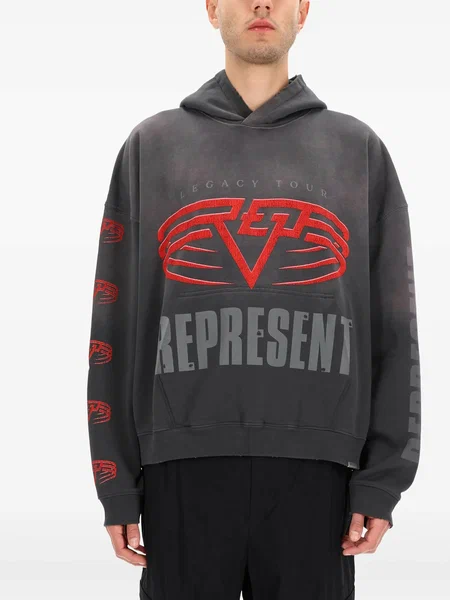
The Represent Summer Vault Event gives warm-weather wardrobes a useful chance to pick up layering pieces that work beyond a single season. Instead of chasing heavy jackets, focus on lightweight overshirts, relaxed tees, breathable denim, and easy mid-layers that can handle changing temperatures. The best purchases combine useful fabric weight, adaptable color, and a fit that works over other clothes. A carefully chosen piece can move from a cool morning coffee run to an evening out without making the outfit feel bulky.
Which Represent Clothing Layers Work Best for Summer?
Lightweight T-shirts make the strongest starting point because they work alone or underneath an open overshirt. A heavyweight cotton tee around 220 to 250 GSM can still feel comfortable with loose trousers when the fabric remains breathable. For a reliable summer palette, try washed black, off-white, faded grey, or muted olive. If you prefer a roomier silhouette, size up only when the shoulder seam still sits cleanly rather than dropping excessively down the arm.
For a more structured outfit, an overshirt adds shape without the heat of a traditional jacket. A cotton twill or lightweight denim version works especially well over a plain tee, while a relaxed fit leaves enough space across the chest for movement. When browsing pieces such as Represent check the collar height, sleeve opening, and body length because those details determine whether the layer looks intentional or simply oversized.
How Should You Choose Summer Fits?
Fit should come before color when buying from a seasonal sale because layering changes how every measurement feels. A straight or relaxed tee usually suits broader shoulders, while a slightly longer body can balance slimmer frames. For an overshirt, leave roughly two fingers of ease around the upper chest when worn over a tee. That small amount of room prevents pulling across the buttons and keeps the garment comfortable during warmer afternoons.
Shorter builds often benefit from layers that finish around the upper hip instead of covering the entire seat. Taller wearers can carry longer overshirts or boxier tees without losing proportion. Try pairing a cream tee with charcoal trousers for a clean vertical line, or use a faded black top with light-wash denim to create contrast. Avoid buying an extremely oversized layer simply because it looks relaxed on a model; your shoulder width and torso length matter more.
What Fabrics Suit the Summer Collection?
Fabric weight matters most when temperatures rise, so inspect the material before judging a piece by appearance. Cotton jersey remains dependable for everyday tees, while lighter cotton blends can improve airflow and reduce drying time. Denim works too, particularly when it uses a lighter construction or relaxed cut. A useful test involves holding the fabric against a light source: tighter, heavier cloth appears denser, while lighter summer fabric usually shows more light through the weave.
Texture also tells you how a garment will behave after repeated wear. Smooth jersey generally layers easily under an overshirt, whereas slub cotton creates a more visible surface and can add character to simple outfits. For denim, look for softened rigid fabric rather than excessively thin material if you want longevity. A midweight pair in washed indigo can handle sneakers and tees during summer while remaining useful with sweatshirts once evenings become cooler.
Can Layering Pieces Work for Different Occasions?
The right summer layers can cover several settings without changing your whole wardrobe. For casual daytime plans, combine a washed-grey tee, relaxed blue jeans, and low-profile trainers, then carry a lightweight overshirt for air-conditioned spaces. For dinner, switch to an off-white tee, dark denim, and a clean black overshirt. The difference comes from color contrast and footwear rather than adding more garments, which keeps the outfit practical in warm weather.
A simple capsule from the sale might include:
-
One heavyweight neutral tee for standalone wear and layering
-
One lightweight overshirt for temperature changes
-
One relaxed denim pair in washed indigo
-
One darker tee for evening outfits
If you want to check available pieces before choosing your combinations, Shop the Collection can help you compare colors, silhouettes, and fabric options in one place. Prioritize garments that serve at least three outfits, such as a black overshirt that works with denim, cargo trousers, and tailored pants. That approach gives a sale purchase more value than choosing a statement piece you may wear only once.
Which Colors Give the Most Styling Options?
Neutral shades offer the easiest route to a flexible summer wardrobe, particularly when you plan to layer several pieces. Off-white works with faded denim and black trousers, while washed charcoal sits comfortably beside grey, olive, and cream. A muted brown or stone layer can also soften darker outfits. These colors photograph well in natural daylight and avoid the visual heaviness that can come from wearing several saturated shades together.
Color matching becomes easier when you use one dominant shade and one supporting tone. Try a washed-black tee beneath a stone overshirt, or pair an olive layer with ecru denim for a softer combination. If you already own plenty of dark clothing, a faded blue or cream piece can add useful contrast. Avoid buying three nearly identical black tees during the sale; slight differences in wash and texture usually create more outfit variety.
How Can You Check Quality Before Buying?
Quality shows through construction details that remain visible even when the design looks simple. Examine the neckline on tees, especially around the ribbing, because loose stitching there can become noticeable after washing. On denim and overshirts, inspect pocket reinforcement, button attachment, and seam consistency. A clean inside seam and secure hardware usually indicate better finishing. If product photographs show close-ups, study those areas instead of judging quality from the front image alone.
The best purchase should also match how often you expect to wear it. A tee intended for weekly rotation needs fabric that can tolerate frequent washing, while a denim overshirt may justify a slightly higher price because you can wear it through multiple seasons. Check care labels before ordering, particularly for garments recommending cold washes or air drying. Following those instructions helps preserve shape, color, and fabric texture far longer than treating every item like ordinary laundry.
What Should First Time Buyers Know?
First-time shoppers should build around one dependable layer rather than buying an entire outfit from the sale. Start with a neutral tee if you need maximum versatility, then add an overshirt once you know which fit works for your body. Compare measurements against a garment you already own rather than relying only on your usual size. A favorite tee measured flat across the chest gives you a much more useful reference than guessing between medium and large.
Before placing an order, consider your existing wardrobe and identify the missing function. If you already own several graphic tees, a plain heavyweight option may add more value; if your wardrobe lacks transitional pieces, choose an overshirt instead. Pay attention to return conditions, stock availability, and care requirements because sale policies can vary. Most importantly, avoid buying solely because a discount looks attractive. A well-fitting layer you wear twenty times beats a cheaper piece that stays in the wardrobe.
Conclusion
The strongest purchases from a summer vault event are the pieces that keep working after the weather changes. Focus on breathable fabrics, practical fits, versatile colors, and construction details that support regular wear. A heavyweight tee, lightweight overshirt, or relaxed denim layer can create several outfits without making your wardrobe complicated. Choose according to what you genuinely lack, check measurements carefully, and treat care instructions as part of the buying decision. That approach turns a seasonal sale into a smarter long-term wardrobe investment.
FAQ
What is the best summer layering piece to buy first?
A heavyweight cotton T-shirt usually makes the most useful first purchase because you can wear it alone or under an overshirt. Choose a neutral shade such as washed black, cream, or grey, then build additional layers around it. A relaxed fit gives you room without excessive fabric, making the tee suitable for warm afternoons and cooler indoor spaces.
Are oversized layers suitable for summer?
Yes, provided the garment remains breathable and the proportions suit your frame. Oversized cotton tees and lightweight overshirts allow more airflow than tight clothing, but excessive length can make an outfit look unbalanced. Check shoulder placement, sleeve width, and body length together. A relaxed shoulder with a shorter body often creates a cleaner summer silhouette than extreme oversized proportions.
Which denim wash is easiest to style?
Medium or light washed indigo offers excellent flexibility during summer because it pairs naturally with white, cream, grey, black, and olive tops. Dark indigo works well for evening outfits but can feel visually heavier during hot weather. For everyday wear, choose denim with a relaxed or straight leg and enough room through the thigh to keep movement comfortable.
How should summer layering pieces be washed?
Always follow the garment's care label, but cold washing and air drying generally help protect cotton shape and color. Turn dark tees and printed garments inside out before washing to reduce surface wear. Avoid excessive heat in the dryer, particularly with heavyweight cotton, because repeated high temperatures can encourage shrinkage. Proper care keeps the original fit more consistent.
Where can I buy Represent Clothing?
You can buy pieces through the brand's official online store or authorized retail channels. During a vault or sale event, check the product page carefully for sizing, fabric composition, stock status, delivery information, and the applicable return policy. Comparing those details before checkout helps first-time buyers avoid choosing the wrong size or assuming discounted items have standard return conditions.

 Arabic
 French
 Spanish
 Portuguese
 Deutsch
 Turkish
 Dutch
Dutch
 Italiano
 Russian
 Romaian
 Portuguese (Brazil)
 Greek
Greek