
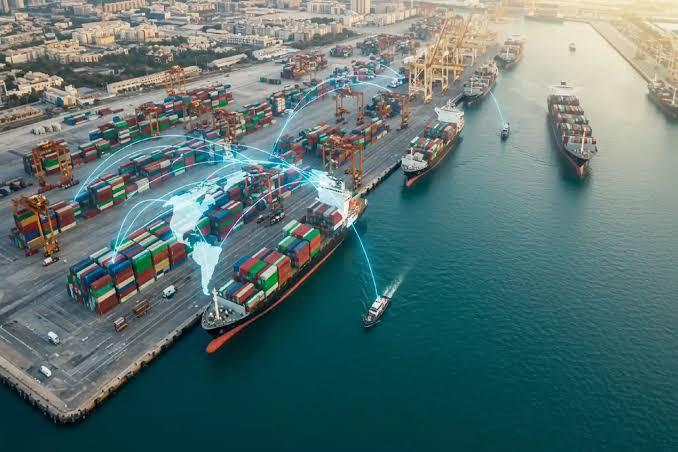
TL;DR: Dubai's central location between Asia, Europe, and Africa, combined with world-class ports, free trade zones, and business-friendly policies, makes it one of the most powerful logistics and trade hubs on the planet. Businesses looking to scale globally consistently choose Dubai for its speed, infrastructure, and tax advantages.
Dubai has quietly become one of the most exciting places in the world to build a logistics or trade business. Seriously! It sits right at the crossroads of East and West, giving businesses access to over 2 billion consumers within a four-hour flight. Whether you are shipping goods, managing supply chains, or running an import/export operation, Dubai offers the kind of infrastructure and support that can genuinely transform a business.
But what makes Dubai so special? And how does it compare to other emerging markets? Let us explore everything you need to know, from strategic advantages to practical tips for getting started.
What Is the Process for Getting a Work Visa in Dubai for Logistics Professionals?
Before you can take advantage of Dubai's thriving trade ecosystem, you need to be able to legally work there. The good news is that getting a work visa in Dubai is more straightforward than many people expect!
Here is a quick breakdown of the process:
- Employer sponsorship: Most professionals receive their work visa through an employer or a free zone authority. Your company sponsors your visa application.
- Free zone visa: If you are setting up your own logistics business inside a free trade zone like Jebel Ali Free Zone (JAFZA), you can apply for a free zone work visa independently.
- Required documents: You will typically need a valid passport, a signed employment contract, educational certificates, and a medical fitness certificate.
- Processing time: Visas are usually processed within 5 to 10 working days, which is incredibly fast compared to many other countries.
- Validity: Work visas in Dubai are usually valid for two or three years and are renewable.
Helpful tip: If you are planning to set up a logistics company in Dubai, registering inside a free trade zone gives you significant perks, including 100% foreign ownership and zero corporate tax on qualifying income.
How Does Working in Belarus Compare to Working in Dubai for Trade Businesses?
Some entrepreneurs explore Central and Eastern European markets like Belarus as an alternative base for trade operations. Belarus does offer some advantages, including its geographic position between Russia and the European Union, and its relatively low operational costs.
However, work in Belarus comes with notable challenges. Political instability in recent years has led to international sanctions that restrict trade with many Western countries. Banking access has become more complicated, and foreign investment confidence has dropped significantly since 2020.
Dubai, by contrast, offers a stable political environment, strong international relationships, and a legal system that is transparent and business-friendly. For logistics and trade businesses that need reliable global partnerships, Dubai consistently outperforms Belarus as a long-term base.
What Makes Dubai's Location So Powerful for Global Trade?
Here is where it gets really exciting! Dubai's geographic position is genuinely one of a kind.
Located in the UAE, Dubai sits at the center of a triangle connecting Europe, Asia, and Africa. This means goods can reach almost any major market quickly and affordably. Here are some of the key location-based advantages:
- Jebel Ali Port: This is the largest seaport in the Middle East and one of the top 10 busiest ports in the world. It handles over 14 million TEUs (twenty-foot equivalent units) annually, making it a critical hub for global shipping routes.
- Dubai International Airport: The world's busiest international airport by passenger traffic also handles enormous volumes of air cargo, making it perfect for high-value goods.
- DP World network: Dubai-based DP World operates over 80 marine terminals across six continents, giving Dubai-based businesses access to a truly global logistics network.
If you want your goods to move fast and reach far, Dubai is hard to beat!
What Are Dubai's Free Trade Zones and Why Do They Matter?
Dubai is home to more than 30 free trade zones, and they are a massive reason why international businesses flock here. Free zones like JAFZA, Dubai CommerCity, and Dubai Logistics City are specifically designed for trade and logistics companies.
The benefits inside these zones are substantial:
- Zero customs duty on imports and exports within the free zone
- 100% repatriation of profits and capital
- No personal income tax for employees
- Streamlined business setup with dedicated support for licensing and visas
These zones function almost like mini business cities, with warehouses, offices, and connectivity all built into one location. For businesses in supply chain management or import/export, this kind of environment dramatically reduces operational friction.
Helpful Tips for Starting a Logistics Business in Dubai
Ready to make the move? Here are some practical tips to help you get started on the right foot:
- Choose the right free zone: Not all free zones are created equal. Research which zone aligns with your specific trade or logistics niche before applying.
- Work with a local business consultant: A registered business consultant can help you navigate licensing requirements and avoid costly mistakes.
- Understand customs regulations: Dubai has efficient customs processes, but understanding import/export documentation upfront will save you time and money.
- Build local relationships: Dubai's business culture values personal relationships. Attend trade events and join industry associations to grow your network.
- Plan for scalability: Dubai's infrastructure is built for growth. Make sure your business model can scale as demand increases.
Final Words
Dubai is not just a great place to do business, it is one of the most strategically positioned trade hubs on earth! Its combination of world-class ports, free trade zones, tax benefits, and a central global location makes it incredibly attractive for logistics and trade businesses of all sizes. Whether you are an established company looking to expand or an entrepreneur starting fresh, Dubai gives you the tools and the access to compete on a global level.
The opportunity is real, and the timing is great. So why wait? Start exploring what Dubai can do for your logistics or trade business today!
Frequently Asked Questions
How long does it take to set up a logistics business in Dubai?
Setting up inside a free trade zone typically takes between 3 to 7 business days once all documents are submitted. The process is straightforward and guided by the zone authority.
Do I need a local sponsor to start a business in Dubai?
Not necessarily. If you set up inside a free trade zone, you can own 100% of your business without a local sponsor. Outside free zones, ownership rules vary depending on your business activity.
Is Dubai good for small logistics companies or just large corporations?
Dubai is excellent for businesses of all sizes! Many free trade zones offer flexible, affordable packages specifically designed for small and medium-sized enterprises.
What is the corporate tax rate for businesses in Dubai?
The UAE introduced a 9% corporate tax in 2023 on profits above AED 375,000 (approximately USD 102,000). Businesses in free zones may still qualify for 0% tax rates on qualifying income, subject to conditions.
What are the main LSI keywords related to Dubai trade and logistics?
Key related terms include: free trade zones Dubai, Jebel Ali Port, global supply chain hub, Dubai import/export business, trade infrastructure UAE, and international shipping routes Middle East.
Is Dubai better than other Middle Eastern countries for logistics businesses?
Dubai consistently ranks above regional alternatives due to its infrastructure maturity, regulatory transparency, and global connectivity. Jebel Ali Port alone handles more container traffic than any other port in the Middle East.

 English
 Arabic
 French
 Spanish
 Portuguese
 Deutsch
 Turkish
 Dutch
Dutch
 Russian
 Romaian
 Portuguese (Brazil)
 Greek
Greek