
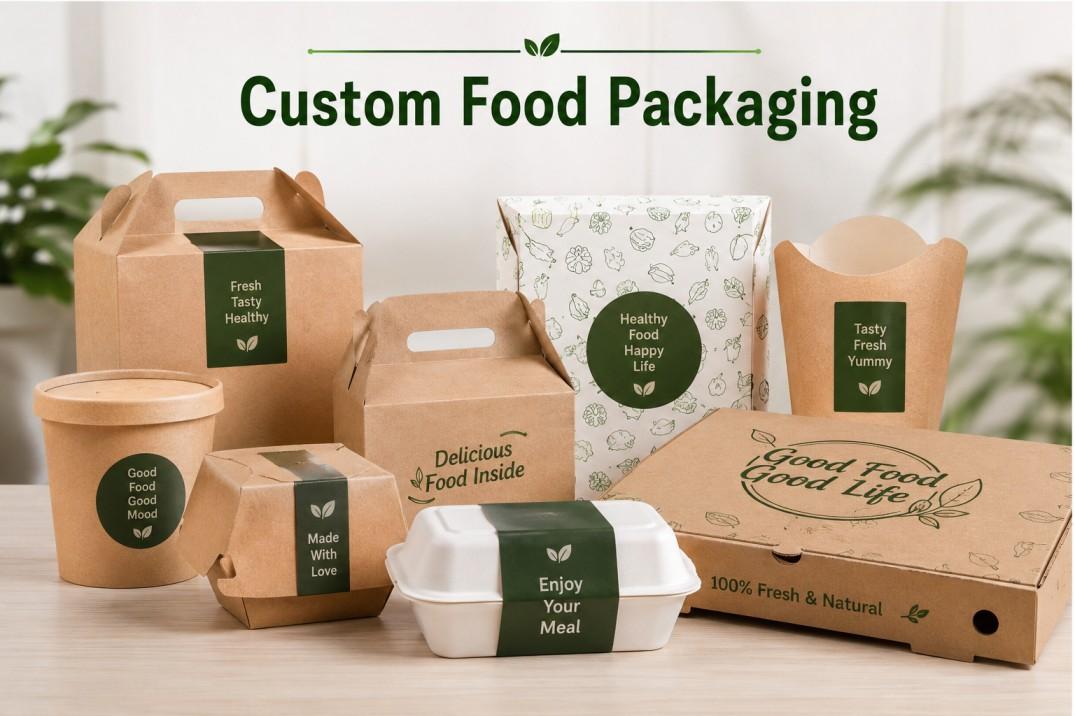
Custom Food Packaging: The Key to Safer, Smarter, and More Memorable Food Products
Food packaging has evolved far beyond its traditional role of simply holding products. In today's competitive food industry, custom food packaging has become a critical element for food safety, brand recognition, product preservation, and customer experience. Whether it is a bakery, restaurant, food manufacturer, or retail brand, the right packaging solution helps businesses meet consumer expectations while complying with industry standards.
As consumers become increasingly conscious of food quality, sustainability, and convenience, companies are investing in packaging that protects products while reflecting their brand values. This article explores the importance of custom food packaging, its benefits, available materials, current trends, and how businesses can select the right packaging for their products.
What Is Custom Food Packaging?
Custom food packaging refers to packaging solutions that are specifically designed to meet the unique requirements of different food products. Unlike generic packaging, custom options are tailored in terms of size, shape, material, printing, and functionality.
These packaging solutions are used across various food sectors, including:
- Bakery products
- Fast food
- Frozen meals
- Fresh produce
- Snacks
- Confectionery
- Beverages
- Takeaway meals
- Ready-to-eat foods
The goal is to protect food while creating a professional and memorable presentation that aligns with the brand identity.
Why Custom Food Packaging Matters
Packaging influences nearly every stage of the food supply chain. From production and transportation to retail shelves and customer delivery, quality packaging ensures products remain safe and appealing.
Some of its key purposes include:
Product Protection
Food packaging acts as a barrier against moisture, dust, bacteria, oxygen, and physical damage. Proper protection helps preserve freshness and reduces product waste.
Extended Shelf Life
Many packaging materials are designed to minimise exposure to air and contaminants, allowing food products to remain fresh for longer periods.
Better Brand Recognition
Printed food packaging featuring logos, colours, and brand messaging helps businesses create a consistent identity across different sales channels.
Customer Convenience
Easy-to-open, resealable, leak-resistant, and portable packaging enhances the overall consumer experience.
Regulatory Compliance
Food packaging often includes nutritional information, ingredients, allergen warnings, storage instructions, and expiration dates, helping businesses comply with food labelling regulations.
Benefits of Custom Food Packaging
Businesses across the food industry are increasingly choosing personalised packaging because it offers several operational and marketing advantages.
Improves Product Presentation
Visually attractive packaging creates a strong first impression. High-quality printing and professional designs make products stand out on retail shelves.
Supports Brand Identity
Consistent packaging design helps customers instantly recognise a brand. Colours, typography, logos, and graphics all contribute to stronger brand recall.
Reduces Food Waste
Packaging that maintains freshness and prevents contamination can significantly reduce spoilage during transportation and storage.
Enhances Customer Experience
Modern consumers appreciate packaging that is practical, durable, and environmentally responsible. Features like easy-carry handles, resealable closures, and portion-friendly designs add value.
Offers Flexibility
Custom packaging can be designed for seasonal promotions, limited editions, product launches, or special events without changing the food product itself.
Common Materials Used in Food Packaging
Different food products require different packaging materials depending on their storage conditions and transportation needs.
Cardboard Packaging
Cardboard is commonly used for bakery boxes, pizza boxes, cereal packaging, and takeaway containers. It is lightweight, recyclable, and suitable for custom printing.
Kraft Paper
Kraft packaging has become popular due to its natural appearance and eco-friendly qualities. Many organic and artisan food brands prefer kraft boxes and bags.
Corrugated Packaging
Corrugated boxes provide additional strength for shipping bulk food products and protecting delicate items during transit.
Food-Grade Paperboard
Paperboard offers excellent print quality and is widely used for retail food packaging, frozen foods, and dry food products.
Flexible Packaging
Pouches and flexible packaging are commonly used for snacks, coffee, spices, pet food, and powdered products because they are lightweight and space-efficient.
Popular Types of Custom Food Packaging
Food businesses use a wide variety of packaging depending on their products.
Some popular options include:
- Custom bakery boxes
- Burger boxes
- Pizza boxes
- Sandwich packaging
- Chinese takeout boxes
- Food trays
- Popcorn boxes
- French fry boxes
- Cake boxes
- Cookie boxes
- Chocolate packaging
- Snack boxes
- Frozen food boxes
- Meal prep containers
- Beverage carriers
Each packaging style is designed to maintain food quality while providing convenience for customers.
Sustainable Food Packaging Is Becoming Essential
Environmental concerns have changed consumer expectations. Many customers now prefer brands that use recyclable, biodegradable, or compostable packaging materials.
Sustainable packaging offers several advantages:
- Reduces environmental impact
- Supports corporate sustainability initiatives
- Meets growing consumer demand
- Minimises packaging waste
- Encourages responsible resource use
Businesses are increasingly replacing plastic packaging with recyclable paper-based alternatives and responsibly sourced materials wherever practical.
Important Design Elements in Food Packaging
Effective food packaging combines attractive visuals with practical functionality.
Some essential design elements include:
Clear Branding
A professionally printed logo and consistent brand colours help products become easily recognisable.
Product Information
Food packaging should clearly display:
- Ingredients
- Nutrition facts
- Storage instructions
- Expiry dates
- Allergen information
- Barcode
- Manufacturer details
Functional Structure
Packaging should be easy to carry, stack, store, and dispose of while protecting the food inside.
High-Quality Printing
Modern printing techniques produce vibrant graphics and sharp text that enhance shelf appeal.
Current Trends in Custom Food Packaging
The food packaging industry continues to evolve as technology and consumer preferences change.
Some major trends include:
Eco-Friendly Packaging
Sustainable materials continue to dominate the market as businesses work to reduce plastic usage.
Minimalist Designs
Simple layouts with clean typography and natural colours create a modern and premium appearance.
Smart Packaging
Some food brands are incorporating QR codes that provide nutritional details, recipes, sourcing information, or promotional content.
Personalised Packaging
Limited-edition packaging and seasonal designs help brands engage customers throughout the year.
Lightweight Packaging
Manufacturers are reducing material usage while maintaining packaging strength, helping lower transportation costs and environmental impact.
Choosing the Right Custom Food Packaging
Selecting suitable packaging requires careful consideration of several factors.
Businesses should evaluate:
- Food type
- Temperature requirements
- Moisture resistance
- Product weight
- Shipping conditions
- Storage environment
- Sustainability goals
- Printing requirements
- Regulatory compliance
- Customer convenience
A packaging solution that balances protection, functionality, and visual appeal provides the best long-term value.
The Future of Food Packaging
Innovation is reshaping the food packaging industry. Manufacturers continue developing packaging materials that improve product preservation while reducing environmental impact.
Advancements in recyclable materials, compostable packaging, digital printing, and smart packaging technologies are expected to drive future growth. As consumer expectations evolve, businesses that adopt modern packaging solutions will be better positioned to meet changing market demands.
Conclusion
Custom food packaging has become an essential component of modern food businesses. Beyond protecting products, it improves presentation, enhances customer experience, supports brand identity, and helps businesses adapt to changing consumer preferences.
By selecting the right materials, incorporating functional design, and embracing sustainable practices, food companies can create packaging solutions that deliver value throughout the entire product lifecycle. As the food industry continues to evolve, investing in well-designed custom packaging remains an important step towards maintaining product quality, operational efficiency, and long-term business success.

 Arabic
 French
 Spanish
 Portuguese
 Deutsch
 Turkish
 Dutch
Dutch
 Italiano
 Russian
 Romaian
 Portuguese (Brazil)
 Greek
Greek