
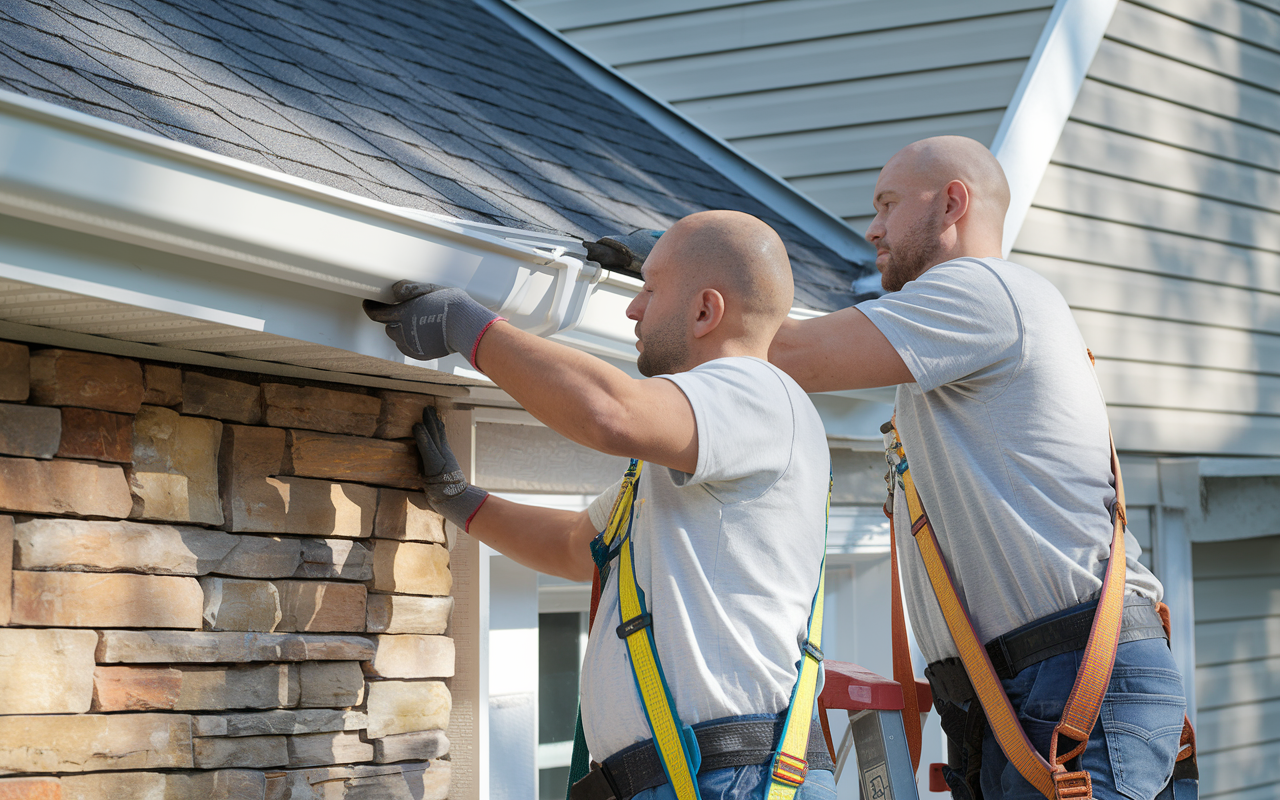
Choosing the right gutter replacement material isn't just about keeping rainwater away from your property. It's an investment that affects your home's appearance, maintenance requirements, and long-term value. With so many options available from budget-friendly PVC to premium copper the decision can feel overwhelming. The good news? Once you understand the pros and cons of each material, making the right choice becomes much simpler.
We will walk you through everything you need to know about gutter replacement materials. You'll discover the key differences between popular options like Colorbond steel and aluminium, learn which materials last the longest, and understand what factors should influence your decision. Whether you're after durability, aesthetics, or value for money, we've got you covered.
Signs It's Time Your Gutter Replacement
Before diving into material options, let's talk about whether you actually need new gutter replacement. Many Australian homeowners face common issues like rust spots, visible cracks, and joints that have started separating. Sagging sections are another telltale sign this usually means the fascia boards are rotting or the hangers have failed.
Water damage around your foundations or staining on exterior walls often points to gutter problems too. If you're constantly cleaning out debris or finding paint peeling near the roofline, your gutters might be past their prime.
When to Repair vs. When to Replace
Small issues like minor leaks or loose hangers can usually be repaired. However, if you're looking at widespread rust, multiple cracks, or gutters older than 20 years, replacement is typically more cost-effective. Think of it this way: patching an ageing system is like putting a plaster on a broken leg. Sometimes, starting fresh makes more sense.
Understanding the Different Types of Gutter Replacement Materials
Colorbond Steel Gutters
Colorbond is arguably the most popular choice for Australian homes. This steel product features a durable coating that resists corrosion, chipping, and peeling. It comes in over 20 colours, making it easy to match your roof and exterior. Plus, it handles our harsh UV conditions remarkably well.
The material typically lasts 20-30 years with proper maintenance. It's strong enough to cope with heavy rainfall and won't warp in extreme heat. For most Australian homeowners, Colorbond strikes an excellent balance between performance and price.
Aluminium Gutters
Aluminium offers several advantages, particularly for coastal properties. It won't rust, making it ideal for homes near the ocean where salt spray is a concern. This lightweight material is also easier to install, which can lower labour costs.
On the flip side, aluminium dents more easily than steel. It's not the best choice if your property has overhanging trees that drop heavy branches. However, for the right application, it's a reliable, low-maintenance option lasting 20-25 years.
Copper Gutters
If you're after a premium look, copper is hard to beat. Over time, it develops a beautiful green patina that adds character to heritage homes. Copper gutters can last 50 years or more some even exceed a century with proper care.
The downside? Cost. Copper is significantly more expensive than other options, both for materials and installation. It's best suited for homeowners who value aesthetics and long-term durability over upfront savings.
Zinc and PVC Options
Zinc gutters share similar benefits to copper, with excellent longevity and a distinctive appearance. They're often seen on commercial buildings but work well for residential properties too.
PVC and vinyl gutters sit at the budget end of the spectrum. They're lightweight, rust-proof, and easy to install. However, they can become brittle in extreme heat and generally don't last as long typically 10-15 years. For rental properties or tight budgets, they're worth considering.
What Is the Best Material for Gutter Replacement?
Comparing Durability and Weather Resistance
For most Australian conditions, Colorbond steel offers the best all-round performance. It handles everything from tropical downpours in Queensland to scorching summers in the outback. Aluminium excels in coastal areas, while copper is unmatched for longevity.
Your local climate matters significantly. If you're in a bushfire-prone area, metal gutters are essential PVC simply won't cut it. Coastal homes benefit from corrosion-resistant materials like aluminium or marine-grade stainless steel.
Maintenance Requirements
All gutter replacement need regular cleaning to remove leaves and debris. However, some materials demand less attention. Aluminium and copper require minimal maintenance beyond cleaning, while steel gutters need occasional inspections for rust spots. PVC can crack over time and may need more frequent repairs.
Which Gutters Last the Longest?
Copper leads the pack with a lifespan of 50-100 years. Zinc follows at 30-50 years, then Colorbond steel at 20-30 years. Aluminium matches steel at around 20-25 years, while PVC brings up the rear at 10-15 years.
What affects longevity? Installation quality matters enormously. Poorly fitted gutter replacement will fail faster regardless of material. Regular maintenance, local climate conditions, and exposure to salt air or pollution all play a role too.
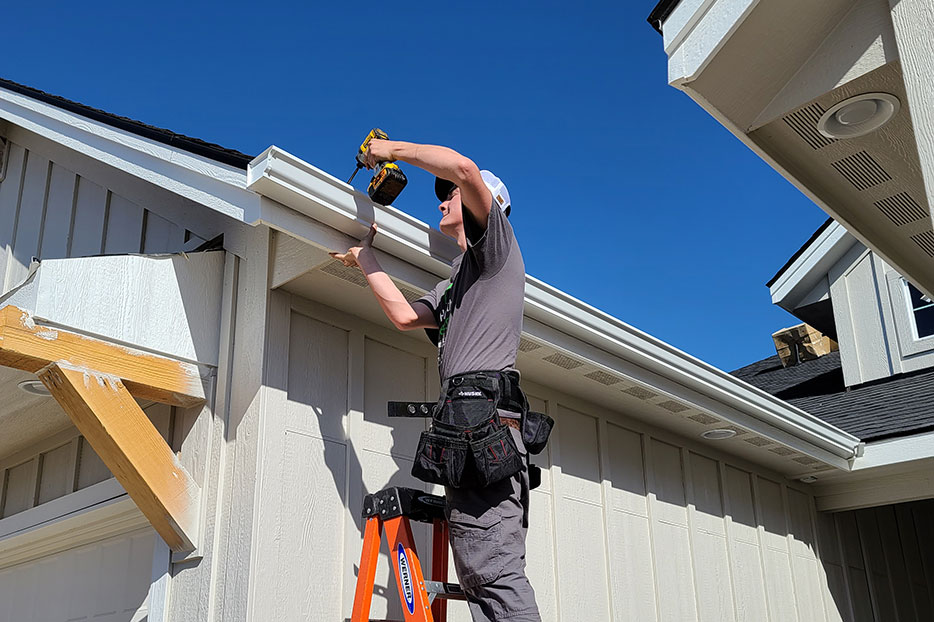
Are Aluminium or Steel Gutters Better?
Pros and Cons of Each Material
Steel gutters are stronger and handle heavy loads better. They're ideal for areas with significant leaf fall or where ladders frequently rest against gutters. However, they can rust if the protective coating gets damaged.
Aluminium won't rust ever. It's lighter, making it suitable for older homes where weight might be a concern. The trade-off is reduced strength and a tendency to dent.
Best Applications for Australian Homes
Choose steel for inland properties, heavily treed blocks, or homes requiring maximum durability. Opt for aluminium if you live within a few kilometres of the coast or want a lighter, rust-proof option.
Choosing the Right Gutter Replacement Profile and Style
Gutter profiles affect both function and appearance. Quad gutters suit modern Australian homes, while OG (Old Gothic) profiles complement traditional architecture. Half-round gutters work beautifully on heritage properties.
Consider your roof area and average rainfall when selecting profile size. Larger roofs and high-rainfall regions need bigger gutters to handle water volume. A qualified installer can recommend the right size for your specific situation.
Do Seamless Gutter Replacement Make a Difference?
Seamless gutters are fabricated on-site to fit your exact roofline. Without joints, there are fewer potential leak points. They look cleaner and often last longer than sectional systems.
The downside is cost seamless installation typically runs 20-30% higher. However, reduced maintenance and improved performance often justify the extra expense.
Eco-Friendly and Sustainable Gutter Replacement Options
Both aluminium and steel are highly recyclable, making them environmentally friendly choices. Copper scores well too, as it's naturally occurring and fully recyclable. Rainwater harvesting systems work with any material, allowing you to capture water for garden use.
Making the Right Decision for Your Property
Choosing gutter replacement materials comes down to balancing your budget, climate, and long-term goals. For most Australian homes, Colorbond steel delivers excellent value and performance. Coastal properties benefit from aluminium's rust resistance, while heritage homes often suit copper or zinc.
Don't forget to consider the bigger picture. Cheaper materials might save money now but cost more over time through repairs and earlier replacement. Quality installation matters just as much as material choice always use licensed professionals who offer warranties.

 English
 Arabic
 French
 Spanish
 Portuguese
 Deutsch
 Turkish
 Dutch
Dutch
 Italiano
 Russian
 Portuguese (Brazil)
 Greek
Greek