
Are you tired of those chilly winter mornings where your home feels more like an icebox than a cozy retreat? Have you been researching heating options and stumbled upon hydronic heating, only to feel overwhelmed by the choices? Perhaps you're wondering how to find a reliable installer who won't leave you out in the cold literally?
Choosing the right hydronic heating service provider is one of the most important decisions you'll make for your home comfort. Get it right, and you'll enjoy efficient, luxurious warmth for decades. Get it wrong, and you could face costly repairs, poor performance, and endless frustration. The stakes are high, but don't worry; we've got you covered.
In this guide, we'll walk you through everything you need to know about selecting a hydronic heating installer in Australia. From understanding your specific heating needs to spotting red flags and evaluating after-sales service, you'll have all the tools to make a confident, informed decision. Let's get stuck into it.
What is hydronic heating, and why does it matter?
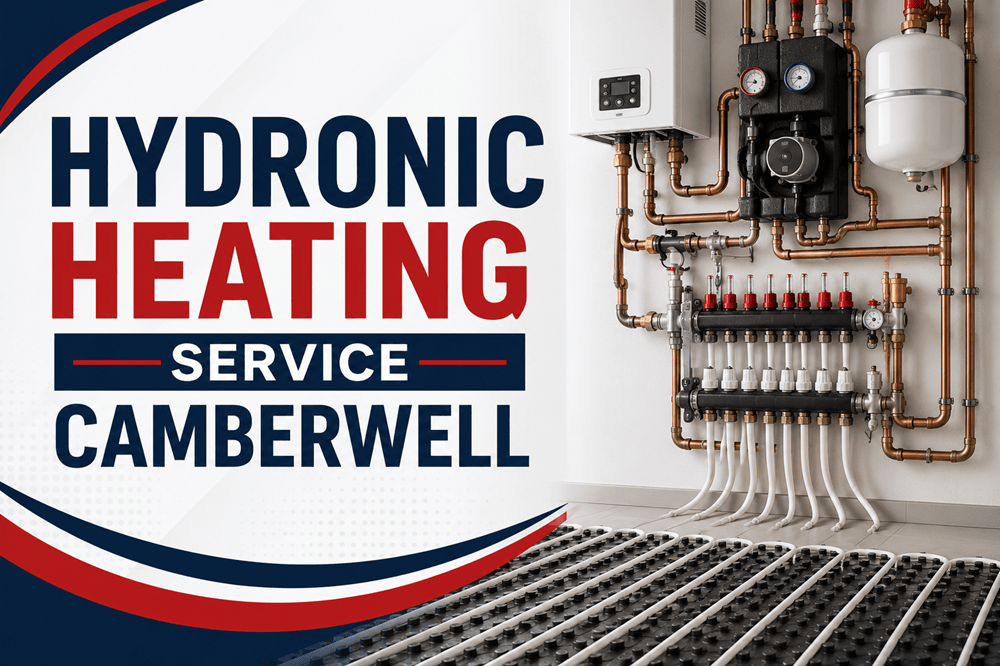
Hydronic heating works by circulating hot water through a network of pipes connected to radiator panels or underfloor heating systems. A boiler heats the water, which then travels through your home, releasing warmth evenly across every room. Unlike ducted systems that blow dry air, hydronic heating provides gentle, radiant warmth that feels natural and comfortable.
This type of heating is becoming increasingly popular in Australian homes, particularly in cooler regions like Victoria and Tasmania. Homeowners appreciate that it doesn't stir up dust or allergens, making it ideal for families with asthma or allergies. Plus, it operates almost silently—no more noisy fans disrupting your evening relaxation.
The benefits over traditional heating systems are substantial. Hydronic heating is energy-efficient, often reducing running costs compared to reverse-cycle air conditioning. It provides consistent warmth without hot or cold spots, and the system is remarkably durable when properly maintained. Understanding these advantages helps you appreciate why choosing a quality installer is so crucial.
Assessing Your Hydronic Heating Requirements
Before contacting any service providers, take time to evaluate your property's specific needs. Consider your home's size, layout, insulation quality, and how many rooms require heating. A larger property with multiple levels will have different requirements than a compact apartment, and a good installer should account for these factors.
Think about whether you're looking at a brand-new installation or upgrading an existing system. New builds offer flexibility in system design, while retrofitting requires an installer experienced in working around existing structures. Be upfront about your situation when requesting quotes; this ensures accurate pricing and realistic timelines.
You'll also need to decide between hydronic floor heating and radiator panels. Underfloor systems provide invisible, even warmth and work brilliantly with tile or stone flooring. Radiator panels heat up quickly and can be easier to install in existing homes. A knowledgeable provider will help you weigh up these options based on your lifestyle and budget.
Essential Qualifications and Credentials to Check
When evaluating potential installers, start with the basics: licensing and qualifications. In Australia, hydronic heating installers must hold relevant plumbing and gas-fitting licenses depending on your state or territory. Don't be shy about asking to see these credentials—reputable providers will happily share them.
Industry certifications add another layer of confidence. Look for membership in organizations like the Master Plumbers Association or accreditation from heating equipment manufacturers. These affiliations demonstrate a commitment to professional standards and ongoing training. They also suggest the installer stays current with industry developments.
How do I know if a hydronic heating installer is qualified? Ask directly about their specific experience with hydronic systems. General plumbers may hold appropriate licenses but lack specialized hydronic knowledge. The best providers focus primarily on hydronic heating and can demonstrate years of hands-on experience with various system types and brands.
Questions to Ask Before Signing Any Contract
A reliable installer should offer free consultations and detailed quotes. During this initial meeting, pay attention to how they communicate. Do they listen to your concerns? Do they explain options clearly without overwhelming jargon? These interactions reveal a lot about the service you'll receive.
Ask which brands and systems they recommend and crucially, why. Experienced installers develop preferences based on reliability, parts availability, and ease of servicing. Be wary of anyone pushing a single brand without explaining its benefits for your specific situation. Flexibility and honest advice are hallmarks of trustworthy providers.
Request references from previous Australian clients, ideally ones with similar properties to yours. Speaking with past customers gives you real-world insights into the installer's workmanship, punctuality, and problem-solving abilities. Don't forget to clarify what warranties and guarantees are included for both equipment and labor.
Researching Reputation and Service Quality
Online reviews are valuable starting points, but read them critically. Look for patterns rather than isolated complaints; every business occasionally disappoints someone. Check Google Reviews, ProductReview.com.au, and social media pages for genuine customer feedback. Photos of completed work add credibility to positive reviews.
Take time to verify there are no outstanding complaints with consumer protection bodies like your state's Fair Trading department. While one or two resolved complaints aren't necessarily dealbreakers, a pattern of unresolved issues is a serious red flag. This research takes minutes but could save you thousands.
Never underestimate local recommendations and word-of-mouth. Ask friends, neighbors, or colleagues who've installed hydronic heating about their experiences. Local Facebook community groups often feature discussions about tradespeople. Personal recommendations from people you trust carry more weight than anonymous online reviews.
After-Sales Service and Maintenance Matters
Ongoing hydronic heating maintenance keeps your system running efficiently and extends its lifespan. A quality provider offers comprehensive servicing packages and remains available long after installation. This ongoing relationship is valuable; your installer understands your system intimately and can quickly diagnose any issues.
What does hydronic heating servicing include? Routine maintenance typically involves checking the boiler, testing water pressure, bleeding radiators, inspecting pipes for leaks, and ensuring controls function correctly. Regular servicing also identifies potential problems before they become costly breakdowns.
Most manufacturers recommend annual servicing to maintain warranty validity. Ask potential providers about their maintenance programs and emergency repair services. How quickly can they respond to urgent issues? A provider offering prompt support during winter emergencies demonstrates genuine commitment to customer care.
Making Your Final Selection
Create a shortlist of three to four providers based on your research. Compare not just prices but overall value; consider experience, warranties, communication quality, and maintenance offerings. The cheapest option rarely delivers the best long-term results.
Weigh up value versus cost carefully. A slightly higher quote from an experienced specialist often proves more economical than a cheaper installation requiring frequent repairs. Think about the total cost of ownership over your system's 20-plus year lifespan, not just upfront expenses.
Finally, trust your instincts. If something feels off about a provider's poor communication, vague answers, or dismissive attitudes, listen to that feeling. You'll be working with this company during installation and for ongoing maintenance. Choose someone you're comfortable with and confident in.
Taking the Next Step Towards Comfortable, Efficient Heating
Selecting the right hydronic heating service provider requires careful research, thoughtful questions, and clear-eyed evaluation. Focus on qualifications, experience, transparent pricing, and strong after-sales support. Don't rush the decision; taking time now prevents headaches later.
The effort you invest in choosing a quality installer pays dividends for decades. A properly designed and installed hydronic heating system transforms your home into a warm, comfortable sanctuary. You'll wonder how you ever survived those cold mornings without it.

 English
 Arabic
 Spanish
 Portuguese
 Deutsch
 Turkish
 Dutch
Dutch
 Italiano
 Russian
 Romaian
 Portuguese (Brazil)
 Greek
Greek