
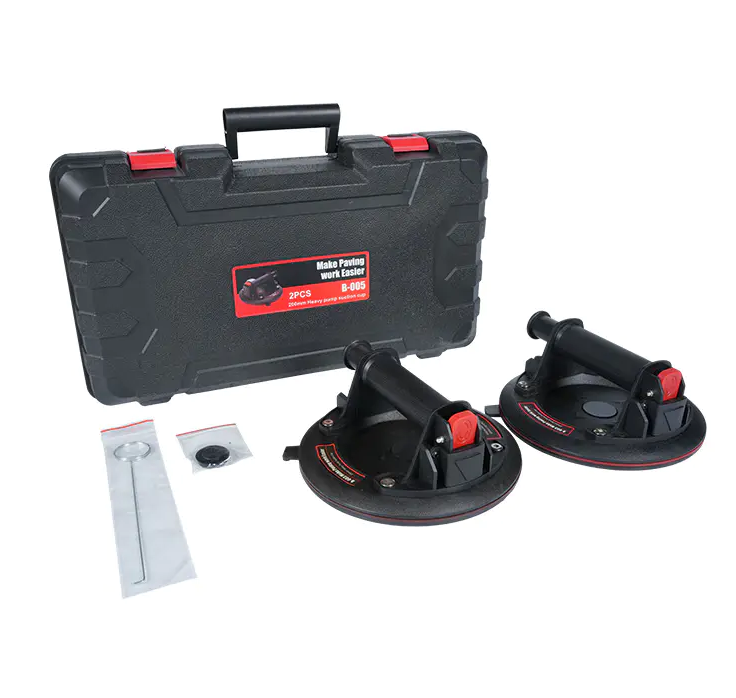
A quality tile installation depends on more than ceramic, porcelain, or natural stone materials. The equipment used during preparation, cutting, adhesive application, leveling, and grouting has a direct influence on the finished surface. Professional contractors and distributors continue to look for reliable products that combine durability with practical design. A skilled Tiling Tools Manufacturer understands that every stage of installation requires dedicated equipment capable of handling different working conditions.
Tile dimensions have changed significantly over recent years. Large-format products measuring 600×600 mm, 800×800 mm, and even 1200×2400 mm require stable handling and consistent adhesive coverage. Traditional methods may create uneven surfaces or trapped air beneath the tile. Modern tiling tools are developed to reduce these issues while improving efficiency.
Accurate Adhesive Distribution
The notched trowel remains one of the fundamental tiling tools. Different notch sizes produce adhesive ridges with varying thicknesses.
Common specifications include:
• 4 mm V-notch for mosaic tiles.
• 6 mm square notch for small wall tiles.
• 10 mm square notch for medium floor tiles.
• 12 mm or 14 mm notch for large porcelain panels.
Stainless steel blades with hardness between HRC 45 and HRC 50 maintain edge consistency after repeated use. Ergonomic handles made from rubber-coated plastic reduce fatigue during extended installation periods.
Industry practice recommends matching notch dimensions with tile size to improve adhesive transfer and reduce empty spaces beneath the tile.
Tile Leveling Systems Create Flat Surfaces
Large-format tiles have increased the demand for leveling accessories. Plastic clips and reusable wedges help maintain consistent height between adjacent tiles.
Typical technical specifications include:
Clip thickness:
1.0 mm
1.5 mm
2.0 mm
3.0 mm
Suitable tile thickness:
3 mm to 20 mm
Wedge material:
Impact-resistant PP or reinforced nylon.
Breaking point:
Designed to separate below the grout line after curing.
A Tiling Tools Manufacturer often develops clip geometries that balance holding strength with simple removal after installation.
Proper leveling helps reduce lippage and creates smoother transitions across floors and walls.
Tile Cutting Equipment Supports Precision
Cutting equipment varies according to tile material and project size.
Manual tile cutters generally feature:
Cutting capacity:
600 mm to 1800 mm.
Guide rail:
Dual steel rail structure.
Scoring wheel:
Tungsten carbide.
Cutting thickness:
Up to 15 mm.
Wet saws commonly operate with:
Diamond blade diameter:
180 mm to 250 mm.
Motor power:
800 W to 1500 W.
Speed:
2800 to 4500 rpm.
Water cooling reduces blade temperature while controlling dust generation.
Accurate cutting decreases material waste and helps installers fit complex corners and pipe openings.
Grouting Tools Complete The Surface
After tile placement, grout floats and cleaning sponges become essential.
Rubber grout floats usually have:
Base size:
240×100 mm.
Rubber hardness:
60 to 70 Shore A.
Handle:
Lightweight ABS or aluminum.
Flexible rubber edges push grout into joints while limiting excess material on tile surfaces.
High-density cellulose sponges absorb water effectively without scratching polished finishes.
Mixing Equipment Improves Material Consistency
Adhesives and grout require uniform mixing for stable performance.
Popular specifications include:
Mixing paddle diameter:
100 mm to 140 mm.
Mixer speed:
300 to 800 rpm.
Carbon steel shaft with anti-corrosion coating.
Hexagonal or threaded connections improve compatibility with electric drills and dedicated mixers.
Consistent mixing reduces clumps and promotes even adhesive strength.
Material Selection Influences Tool Life
Manufacturers frequently use:
Stainless steel for corrosion resistance.
Carbon steel for high strength.
TPR rubber handles for grip comfort.
Reinforced engineering plastics for reusable leveling components.
Surface polishing and anti-rust treatments extend service life under wet construction conditions.
A dependable Tiling Tools Manufacturer typically performs hardness testing, dimensional inspections, and wear evaluations before shipment.
Market Demand Continues To Expand
Residential renovations, commercial construction, and public infrastructure projects continue to create demand for tile installation products. Contractors increasingly prefer tool kits that combine cutting, leveling, adhesive spreading, and grouting functions.
Integrated product lines simplify purchasing and inventory management for distributors while helping installers maintain consistent work quality.
Reliable tiling equipment supports accurate installation and contributes to durable surfaces that can withstand daily use. Careful attention to tool design, material selection, and manufacturing standards helps meet the practical needs of modern construction projects.

 English
 Arabic
 French
 Portuguese
 Deutsch
 Turkish
 Dutch
Dutch
 Italiano
 Russian
 Romaian
 Portuguese (Brazil)
 Greek
Greek