
Dental veneers have become one of the most popular cosmetic dentistry solutions for people looking to enhance their smiles. Whether it is discoloration, chipped teeth, gaps, or minor misalignment, veneers offer a long-lasting and natural-looking improvement. However, one of the most common questions patients ask before starting treatment is: how long do veneers actually last?
In general, the lifespan of veneers depends on several factors, including the material used, oral hygiene habits, and the expertise of the dentist performing the procedure. In modern cosmetic dentistry, especially in advanced clinics offering Veneers Dubai, patients can expect durable, aesthetically pleasing results that can last many years with proper care.
This article explores the longevity of veneers, what influences their durability, and how you can maximize the lifespan of your new smile.
What Are Dental Veneers?
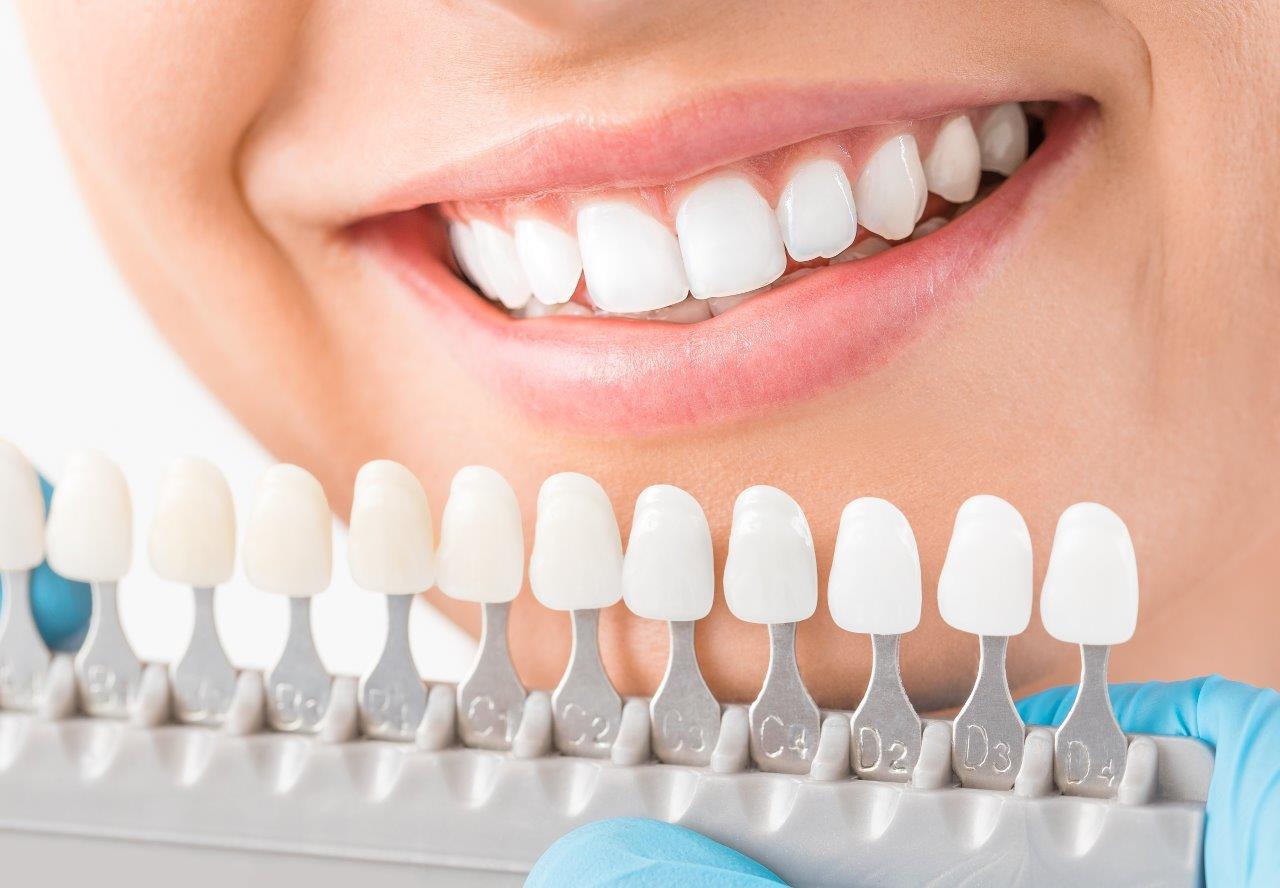
Dental veneers are ultra-thin shells, usually made of porcelain or composite resin, designed to cover the front surface of teeth. They are custom-made to match the natural color, shape, and size of your teeth, creating a flawless and symmetrical smile.
Porcelain veneers are the most common choice because they are stain-resistant and highly durable. Composite veneers, on the other hand, are more affordable and can be applied in a single visit, but they may not last as long as porcelain options.
The process of getting veneers typically involves consultation, tooth preparation, impression taking, and final placement. In advanced cosmetic dentistry clinics such as Cornerstone Dubai, patients receive tailored treatment plans that ensure both functionality and aesthetic excellence.
Types of Veneers and Their Expected Lifespan
Not all veneers are created equal, and their lifespan depends heavily on the material used:
Porcelain Veneers
Porcelain veneers are known for their strength and resistance to staining. On average, they last between 10 to 15 years, and in many cases, even longer with proper care.
Composite Veneers
Composite veneers typically last around 5 to 7 years. While they are less durable than porcelain, they are easier to repair and more cost-effective.
Lumineers or Minimal-Prep Veneers
These are ultra-thin porcelain veneers that require minimal tooth preparation. Their lifespan is similar to traditional porcelain veneers, usually 10 to 15 years.
In high-quality cosmetic dental practices offering Veneers Dubai, patients are guided toward the most suitable type based on their dental condition, lifestyle, and aesthetic goals.
How Long Do Veneers Last on Average?
The average lifespan of veneers ranges between 7 and 15 years. However, this is not a fixed timeline. Many patients enjoy their veneers for 20 years or more when they follow proper oral care routines and avoid damaging habits.
Porcelain veneers generally outperform composite veneers in longevity due to their stronger structure and resistance to staining. That said, longevity is not just about material—it is also about maintenance and daily habits.
Even the highest-quality veneers can fail prematurely if exposed to excessive force, poor oral hygiene, or habits such as teeth grinding or nail biting.
Factors That Affect the Lifespan of Veneers
Several key factors determine how long your veneers will last:
Oral Hygiene Practices
Good brushing, flossing, and regular dental check-ups play a major role in maintaining veneer longevity. Poor oral hygiene can lead to gum disease and decay around the veneer edges.
Diet and Lifestyle Habits
Frequent consumption of hard foods, excessive sugar, or staining beverages like coffee and tea can affect the appearance and durability of veneers.
Teeth Grinding (Bruxism)
Patients who grind their teeth at night may experience faster wear and tear on veneers. In such cases, dentists often recommend a night guard for protection.
Quality of Dental Work
The skill and experience of the cosmetic dentist significantly influence veneer lifespan. Clinics specializing in Veneers Dubai treatments use advanced techniques and high-quality materials to ensure long-lasting results.
Regular Dental Visits
Routine check-ups help detect early signs of damage or wear, allowing timely intervention before issues worsen.
How to Make Your Veneers Last Longer
If you want to maximize the lifespan of your veneers, adopting good dental habits is essential. Here are some practical tips:
Maintain Proper Oral Hygiene
Brush twice daily with a soft-bristled toothbrush and non-abrasive toothpaste. Floss gently to prevent plaque buildup.
Avoid Hard and Sticky Foods
Chewing ice, biting hard candies, or using your teeth as tools can damage veneers.
Wear a Night Guard if Necessary
If you suffer from teeth grinding, a night guard can protect your veneers while you sleep.
Limit Stain-Causing Drinks
Although porcelain veneers are stain-resistant, reducing coffee, tea, and red wine intake helps maintain brightness.
Schedule Regular Dental Check-ups
Visiting your dentist every six months ensures your veneers remain in excellent condition.
Patients who undergo treatment at clinics like Cornerstone Dubai often receive personalized aftercare plans to help extend the life of their veneers and maintain optimal oral health.
When Do Veneers Need Replacement?
Even though veneers are durable, they are not permanent. Over time, they may need to be replaced due to:
- Natural wear and tear
- Chips or cracks
- Gum recession exposing edges
- Discoloration of underlying tooth structure
- Loose bonding or detachment
When veneers reach the end of their lifespan, replacement is a straightforward process. The old veneers are removed, and new ones are crafted to restore the smile.
In most cases, patients who choose Veneers Dubai solutions are able to enjoy seamless replacements with minimal discomfort and improved aesthetics.
Why Choose Veneers in Dubai?
Dubai has become a leading destination for cosmetic dentistry due to its advanced medical technology, experienced professionals, and patient-focused care. Patients seeking veneers benefit from:
- High-quality materials and international standards
- Advanced digital smile design technology
- Experienced cosmetic dentists
- Customized treatment planning
- Luxury clinic environments
Choosing Veneers Dubai ensures access to world-class dental care with long-lasting aesthetic results. Clinics such as Cornerstone Dubai are known for combining precision dentistry with artistic smile design, helping patients achieve natural and confident smiles.
Conclusion
Veneers are one of the most effective and long-lasting cosmetic dental treatments available today. While their average lifespan ranges from 10 to 15 years for porcelain and 5 to 7 years for composite, proper care can significantly extend their durability.
The longevity of veneers depends on multiple factors, including oral hygiene, lifestyle habits, and the expertise of the dentist. With professional treatment, especially in reputable clinics offering Veneers Dubai, patients can enjoy beautiful, confident smiles for many years.
Ultimately, veneers are not just a cosmetic investment—they are a commitment to maintaining oral health and confidence. With the right care and regular dental visits, your smile transformation can last well into the future.
FAQs
How long do porcelain veneers last?
Porcelain veneers typically last between 10 to 15 years, and in some cases even longer with excellent care and regular dental check-ups.
Are veneers permanent?
Veneers are considered a long-term but not permanent solution. They may need replacement after several years due to wear or damage.
Do veneers damage natural teeth?
When properly applied by an experienced dentist, veneers do not damage teeth. A small amount of enamel is usually removed to ensure proper fit.
Can veneers stain over time?
Porcelain veneers are highly resistant to staining, but composite veneers may discolor over time, especially with frequent exposure to coffee, tea, or smoking.
Is getting veneers painful?
The procedure is generally painless and performed under local anesthesia. Most patients experience only mild sensitivity afterward.
How can I make my veneers last longer?
Good oral hygiene, avoiding hard foods, wearing a night guard if needed, and regular dental visits can significantly extend the life of veneers.

 English
 Arabic
 Spanish
 Portuguese
 Deutsch
 Turkish
 Dutch
Dutch
 Italiano
 Russian
 Romaian
 Portuguese (Brazil)
 Greek
Greek