
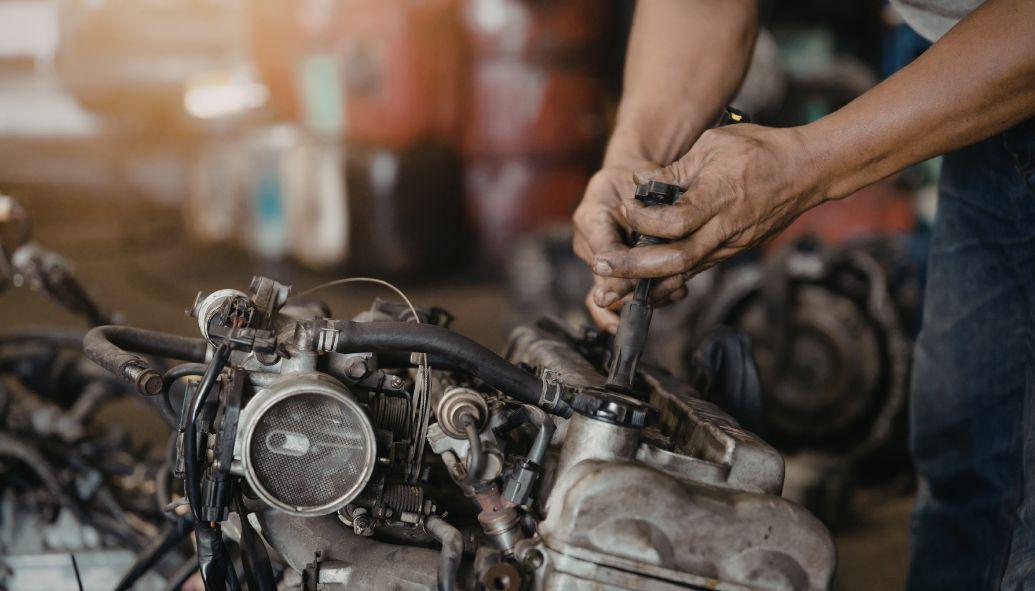
Your car engine works hard every time you turn the key. Inside the engine, many metal parts move very fast and create heat and friction. Without proper care, these parts can wear out quickly. This is where engine oil plays a very important role. It may look simple, but engine oil is the lifeline of your vehicle.
In this blog, let’s understand why engine oil is important, how it protects your car, and why regular oil changes can save you from expensive problems.
What Is Engine Oil?
Engine oil is a special lubricant designed to keep the internal parts of your engine running smoothly. It creates a thin protective layer between moving metal parts. This layer reduces friction, controls heat, and prevents damage.
Modern engine oils also contain additives. Additives are special chemicals added to improve performance. They help clean the engine, prevent rust, and improve overall efficiency.
How Engine Oil Protects Your Car
1. Reduces Friction
Inside your engine, parts like pistons, crankshaft, and valves move at high speed. When metal rubs against metal, it creates friction. Too much friction causes wear and tear.
Engine oil forms a protective film between these parts. This reduces direct contact and keeps everything moving smoothly. Less friction means longer engine life.
2. Controls Engine Heat
Engines generate a lot of heat while running. If this heat is not controlled, it can damage important parts.
Engine oil helps absorb and transfer heat away from moving components. This keeps the engine temperature stable and prevents overheating. Without proper oil levels, your engine can overheat quickly, especially in hot weather.
3. Cleans the Engine
Over time, dirt, dust, and tiny metal particles collect inside the engine. These particles can cause blockages and damage.
Engine oil helps trap these impurities and carry them to the oil filter. The oil filter then removes the dirt from circulation. Clean oil keeps the engine clean from inside and improves performance.
4. Prevents Rust and Corrosion
Moisture can enter the engine due to temperature changes. When moisture mixes with metal, it can cause rust.
Engine oil forms a protective coating on metal surfaces. This coating prevents moisture from directly touching the parts, reducing the risk of rust and corrosion.
5. Improves Fuel Efficiency
When the engine runs smoothly with less friction, it does not have to work as hard. This improves fuel efficiency.
Dirty or old oil becomes thick and less effective. This increases resistance inside the engine, which leads to higher fuel consumption. Regular oil changes help maintain better mileage.
What Happens If You Ignore Engine Oil Changes?
Many car owners delay oil changes to save money. But this can lead to serious problems.
Here’s what can happen:
-
Increased engine wear
-
Overheating issues
-
Sludge buildup (thick dirty oil deposits)
-
Reduced engine performance
-
Complete engine failure in worst cases
Ignoring oil changes may eventually lead to costly car engine repair. Replacing or repairing engine components is much more expensive than a simple oil service.
How Often Should You Change Engine Oil?
Oil change intervals depend on:
-
Type of oil (mineral, semi-synthetic, or synthetic)
-
Driving habits
-
Vehicle model
-
Climate conditions
In general, most cars need an oil change every 5,000 to 10,000 kilometers. Always check your car’s owner manual for exact recommendations.
If you drive in heavy traffic, extreme heat, or dusty areas, you may need more frequent oil changes.
Signs Your Engine Oil Needs Changing
Watch for these warning signs:
-
Engine oil warning light on the dashboard
-
Dark and dirty oil
-
Engine noise becomes louder
-
Burning oil smell
-
Poor fuel efficiency
If you notice any of these signs, do not delay. Regular maintenance keeps your engine healthy and prevents bigger issues.
Choosing the Right Engine Oil
Not all engine oils are the same. Using the wrong type can affect performance.
There are three main types:
-
Mineral Oil – Basic oil, suitable for older vehicles.
-
Semi-Synthetic Oil – A mix of mineral and synthetic oil.
-
Fully Synthetic Oil – Offers better protection and performance.
Check your car manual or consult a professional before selecting engine oil. Using the correct viscosity (thickness level) is very important for engine safety.
Why Professional Maintenance Matters
While some people try DIY oil changes, professional servicing ensures:
-
Correct oil type is used
-
Oil filter is replaced properly
-
Engine is checked for leaks
-
Overall inspection is done
If you are looking for reliable car repair Adelaide services, choose a trusted workshop that follows manufacturer guidelines and uses quality engine oil.
Final Thoughts
Engine oil may seem like a small part of your vehicle, but it plays a huge role in protecting your car. It reduces friction, controls heat, cleans internal parts, and prevents rust. Regular oil changes are one of the simplest and most affordable ways to extend engine life.
Taking care of your engine today can save you from expensive repairs tomorrow. A well-maintained engine not only performs better but also gives you peace of mind on every drive.

 English
 French
 Spanish
 Portuguese
 Deutsch
 Turkish
 Dutch
Dutch
 Italiano
 Russian
 Romaian
 Portuguese (Brazil)
 Greek
Greek