
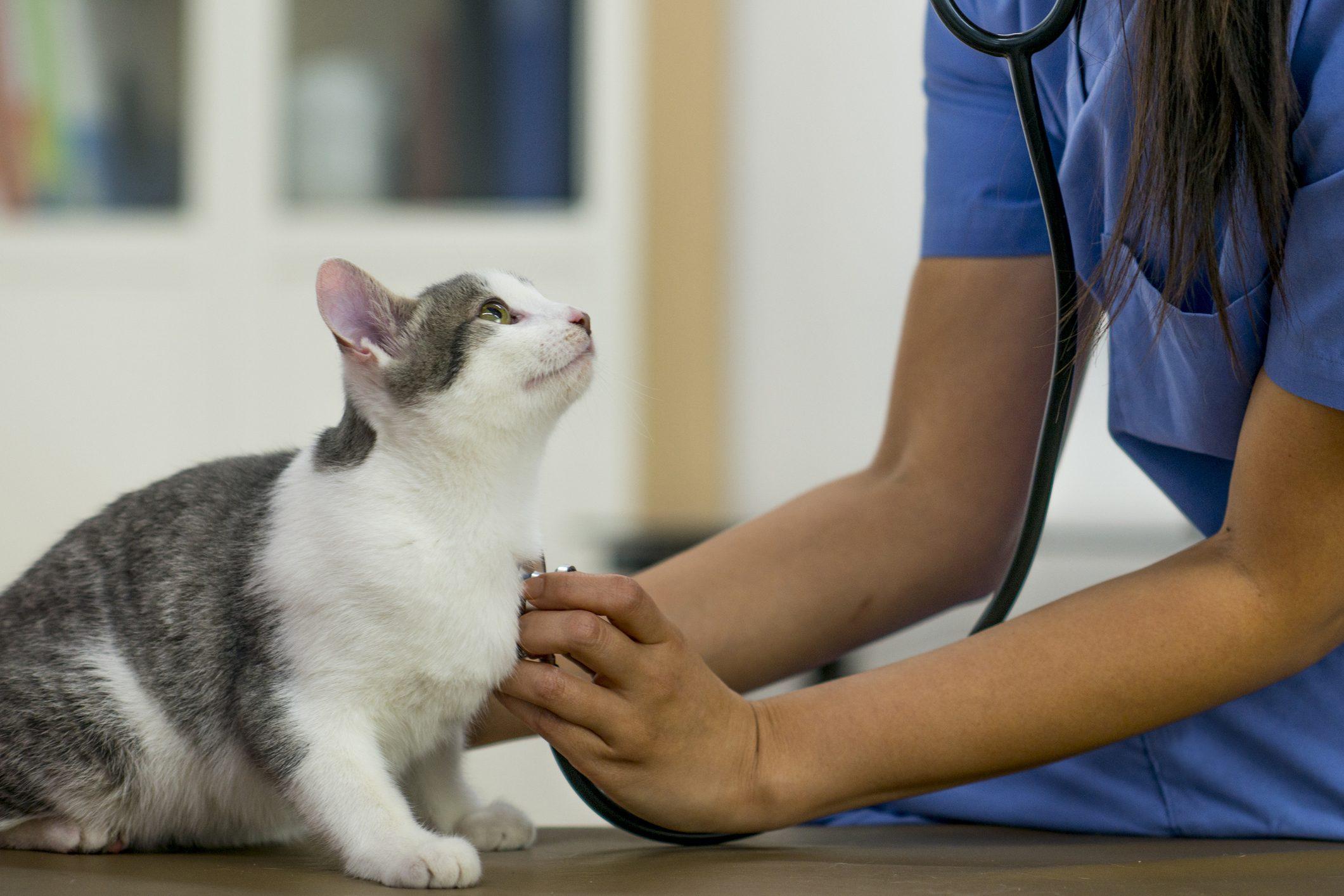
Vomiting in cats is a common concern for pet owners, but it’s not always easy to determine what’s normal and what may indicate a serious health issue. While occasional vomiting due to hairballs or eating too quickly can be relatively harmless, frequent or severe vomiting can signal underlying health problems that require veterinary attention. Understanding the causes, signs, and preventive measures can help you keep your cat healthy and happy.
Common Causes of Cat Vomiting
-
Hairballs – Cats naturally groom themselves, ingesting hair in the process. Small amounts are usually harmless, but excessive hair can accumulate in the stomach and cause vomiting. Long-haired breeds are particularly prone.
-
Dietary Issues – Abrupt changes in diet, food intolerances, or consuming spoiled or inappropriate foods can upset a cat’s digestive system, leading to vomiting.
-
Eating Too Quickly – Some cats eat rapidly, which can result in regurgitation or vomiting shortly after meals.
-
Infections or Parasites – Viral or bacterial infections, as well as intestinal parasites, can irritate the stomach and cause vomiting.
-
Chronic Illnesses – Conditions such as kidney disease, hyperthyroidism, diabetes, or inflammatory bowel disease can manifest through vomiting. Early detection is essential for effective management.
-
Toxins or Foreign Objects – Cats are curious creatures and may ingest plants, chemicals, or small objects that irritate or block the digestive tract.
When to See a Vet
Frequent vomiting, vomiting with blood, lethargy, weight loss, or changes in appetite are all red flags. A Keysborough vet can perform a full examination, including blood tests, imaging, and other diagnostics, to determine the cause and provide effective treatment. Prompt veterinary attention can prevent complications and improve your cat’s quality of life.
Preventive Measures
-
Regular Grooming – Brushing your cat reduces hair ingestion, especially for long-haired breeds.
-
Balanced Diet – Feed high-quality cat food and avoid abrupt diet changes.
-
Monitor Eating Habits – Slow feeders or multiple small meals can reduce vomiting from eating too fast.
-
Routine Vet Visits – Regular check-ups with a Keysborough vet help detect and manage health issues before they become serious.
-
Avoid Toxic Substances – Keep harmful plants, chemicals, and small objects out of your cat’s reach.
Questions & Answers
Q1: How often is vomiting normal in cats?
A1: Occasional vomiting, especially due to hairballs, can be normal. Frequent vomiting, especially more than once a week, warrants a veterinary check-up.
Q2: Can diet changes prevent vomiting?
A2: Yes, feeding high-quality, easily digestible food and avoiding sudden diet changes can reduce digestive upset.
Q3: Are long-haired cats more at risk of vomiting?
A3: Yes, long-haired breeds often ingest more hair while grooming, increasing the likelihood of hairball-related vomiting.
Q4: When should I contact a vet immediately?
A4: Seek urgent veterinary care if your cat vomits blood, becomes lethargic, loses weight, or vomits persistently.
Q5: Can regular grooming help?
A5: Absolutely. Brushing your cat regularly reduces hair ingestion and helps prevent hairball-related vomiting.

 English
 Arabic
 French
 Spanish
 Portuguese
 Deutsch
 Turkish
 Dutch
Dutch
 Italiano
 Russian
 Romaian
 Portuguese (Brazil)